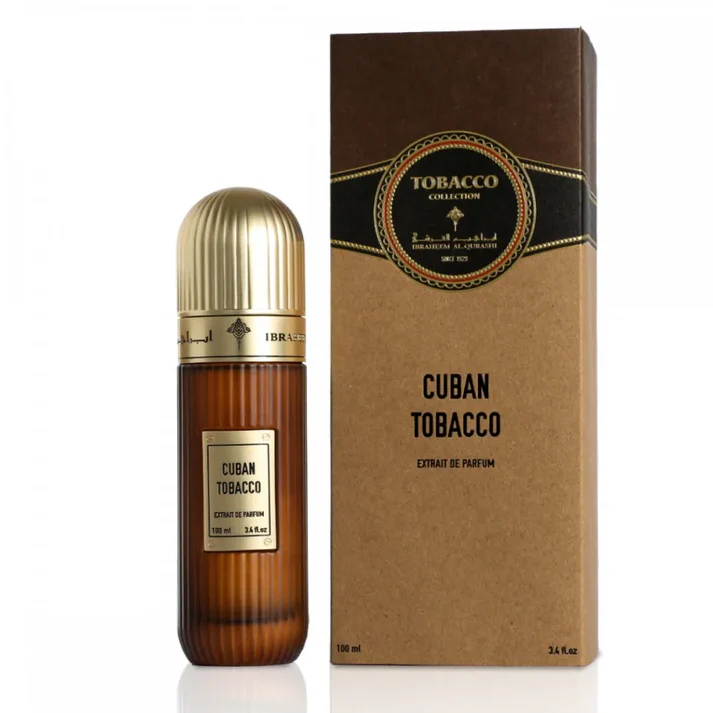
عطر التبغ العربي 100 مل
وفر 46%! اشترِ عطر التبغ العربي 100 مل بسعر 213.89 د.ل فقط في ليبيا. متوفر حاليا
🛒 تسوق الآن Libya Press
The Sub-Union of Teachers in Libya has published an explanatory infographic detailing its organizational structure and operational framework, clarifying how teacher representation functions at the municipal level. The announcement comes as part of broader efforts to regulate union work and define election pathways for teachers across Libya.
The Sub-Union, which serves as the intermediate union tier between school-level basic unions and the General Union of Teachers, comprises six elected seats with specific administrative and organizational responsibilities. Only members occupying these six seats are eligible to nominate for membership in the General Union of Teachers in the upcoming electoral cycle.
According to the infographic released by the Sub-Union, the six elected positions include:
Each seat carries defined powers and responsibilities, ensuring that the Sub-Union operates efficiently as the representative body for teachers within municipality boundaries.
The High National Elections Commission (HNEC) has played a central role in formalizing the election process. HNEC issued Board Resolution No. (84) of 2026, adopting the regulations for voting procedures and vote counting specific to the election of sub-unions for the General Union of Teachers. This resolution opened the door for nominations and established the legal framework governing the electoral process.
The Sub-Union serves as an organizational bridge, connecting basic union representatives selected from individual schools to the broader General Union structure. Delegates from each school form the basic unions, which in turn elect representatives to the Sub-Union at the municipality level.
The union structure operates across three interconnected levels. At the grassroots level, basic unions are formed within each school, with delegates chosen by fellow teachers. These delegates then participate in electing the Sub-Union at the municipality level. Finally, the Sub-Union members — specifically those holding the six elected seats — are eligible to stand for election to the General Union of Teachers, which represents educators nationwide.
This tiered structure aims to ensure comprehensive teacher representation, clearly defined responsibilities at each level, and a transparent pathway for leadership progression within the union system. The clarification issued by the Sub-Union is expected to help teachers across Libya understand how they can participate in union elections and seek leadership roles.
Teachers in Libya have long sought clearer representation frameworks and stronger union structures to advocate for improved working conditions, timely salary payments, and professional development opportunities. The formalization of the Sub-Union structure and the adoption of HNEC regulations represent significant steps toward institutionalizing teacher representation in Libya's evolving administrative landscape.
With municipal elections ongoing and Libya's institutional rebuilding progressing, the clarification of union election mechanisms provides teachers with a defined path to participate in shaping their professional future. The move aligns with broader efforts to strengthen civil society organizations and professional unions across the country.
— Libya Press / News Desk