
مجموعة مكياج متكاملة
وفر 7%! اشترِ مجموعة مكياج متكاملة بسعر 297.6 د.ل فقط في ليبيا. متوفر حالياً، ال
🛒 تسوق الآن Libya Press
In a landmark move signaling Beijing's accelerating engagement in North Africa, China is set to open its first general consulate in Benghazi — a development raising concerns in European capitals and Washington. The Libyan Foreign Ministry confirmed the consulate opening is imminent, marking China's most significant diplomatic expansion since 2011.
The Benghazi consulate will become China's second diplomatic mission after its embassy in Tripoli, reflecting Beijing's strategy of engaging both major political centers. Libyan media reported the consulate opening as a sign of "important progress" in bilateral relations. Ambassador Ma Xueliang has held multiple meetings with Libyan officials throughout 2026, discussing infrastructure and logistics cooperation.
Analysts see Libya's strategic location as the primary driver of Chinese interest. Situated on the southern Mediterranean, just 350 kilometers from Europe, Libya offers Beijing a potential gateway to European markets and an alternative to the India-Middle East-Europe Economic Corridor announced in 2023.
"Libya's strategic position could serve as an alternative corridor, enhancing its value for Beijing's connectivity projects," noted a report from TASAM, a Turkish research center cited by Al-Wasat. This positions Libya as a potential hub in China's Belt and Road Initiative, linking North Africa to Eurasian supply chains. China has also announced direct air cargo routes with Libya and the resumption of visa services in Tripoli.
China's interest extends beyond diplomacy. According to Maghrebi.org, Beijing has been expanding industrial ties and investment in Libya's energy sector, focusing on green energy and infrastructure rehabilitation. Libya, holding Africa's largest proven crude oil reserves, represents a critical prize for energy-hungry China. Chinese companies have signaled interest in rebuilding roads, ports, power plants, and telecommunications networks.
Italy, historically Libya's primary European economic partner, has expressed growing concern over Chinese penetration of North African markets. A February 2026 analysis by Minbar Libya noted that "China and Russia's entrenched presence has only heightened European unease."
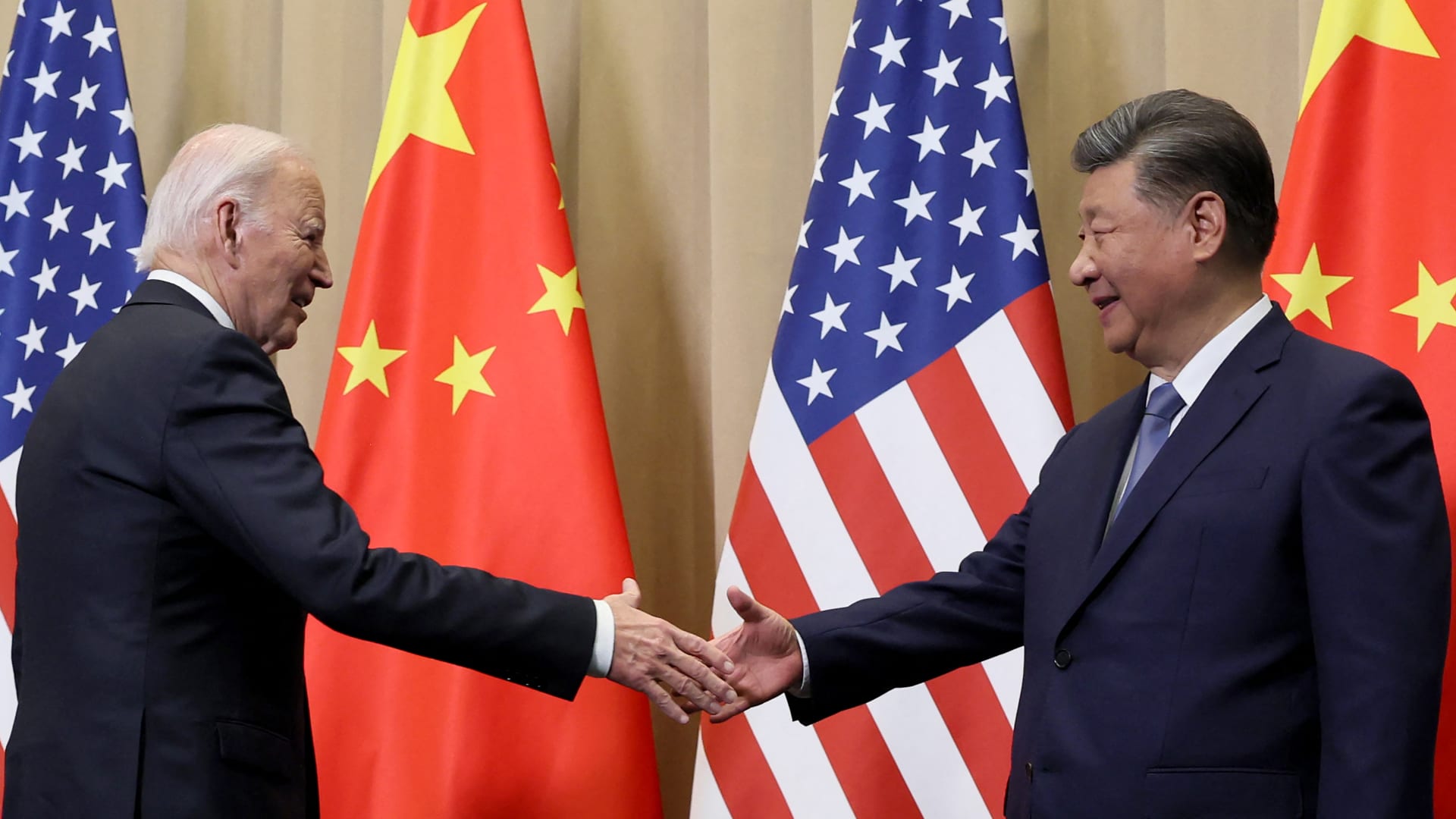
For Washington, China's expanding role adds a new dimension to US-China strategic competition. The US has maintained a cautious Libya posture focused on counterterrorism. Beijing's economic offensive now threatens to reshape the post-conflict landscape in ways that may sideline Western influence. A TASAM report warned that China's dual-track approach "could limit Western Europe's influence and shift US-China competition to North Africa."
Beijing maintains good relations with all major Libyan factions, reflecting its signature approach: economic engagement without political strings. By opening a consulate in Benghazi — stronghold of Khalifa Haftar's Libyan National Army — while keeping its embassy in Tripoli under the Government of National Unity, China positions itself as a partner to all sides.
In June 2026, the Mayor of Benghazi met with Ambassador Ma Xueliang to discuss strategic cooperation, while the ambassador simultaneously engaged Tripoli officials on visa services and air cargo. China is playing the long game on both sides of Libya's political divide.
Chinese infrastructure investment could accelerate reconstruction and create jobs. But concerns remain about debt dependency, labor practices, and reliance on a single external partner. Libya — long viewed through the lens of instability — is increasingly recognized as a geoeconomic prize. As global powers compete, Libya finds itself at the heart of a contest that will shape its future and the balance of power across the Mediterranean.
— Libya Press / International Desk