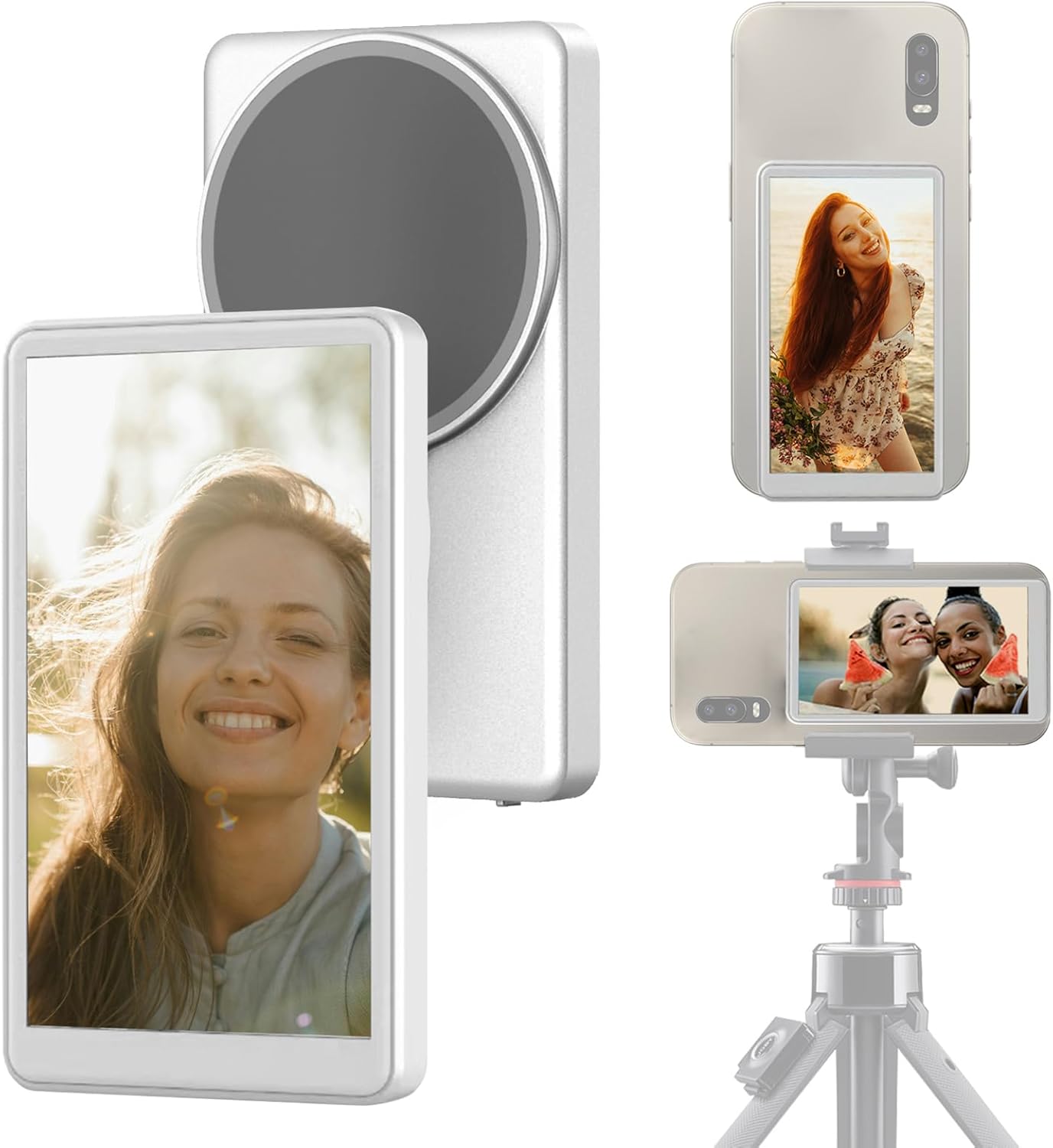
شاشة عرض مغناطيسية لصور السيلفي
وفر 26%! اشترِ شاشة عرض مغناطيسية لصور السيلفي بسعر 399 د.ل فقط في ليبيا. متوفر
🛒 تسوق الآن Libya Press
Libyan authorities have detained four female content creators with Arab nationalities in Tripoli on charges including illegal residence, unlicensed professional activity, and publishing content that allegedly threatens social security. The arrests, announced Sunday by a security agency in western Libya, have ignited a fierce national debate over creative freedom.
The women are under investigation by the public prosecutor. A source at the Directorate Security Support Device told Al Sharq Al Awsat the charges include illegal entry or residence, practicing a profession without official licenses, misusing communication tools by publishing content that harms social security, and publishing material contrary to public morals.
The security source rejected characterizations of the measures as targeting content creators or restricting public freedoms. "The public prosecutor is investigating according to established legal procedures," the source stated, adding that agencies support regulating content creators — particularly foreign nationals in advertising and visual production — under existing legal frameworks.
The General Authority for Cinema, Theater, and Arts in Benghazi issued a similar directive Tuesday requiring artistic groups and creative professionals to obtain prior approvals and permits for their activities, coordinating with the Interior Ministry and specialized security agencies.
Journalist and rights activist Mohammad Al-Tayeb called the detentions "systematic economic violence against female content creators in Libya," arguing that instead of encouraging creative professionals, authorities are pursuing them through the legal system.
Ahmed Abdul Hakim Hamza, head of the National Institution for Human Rights, criticized the Benghazi arts authority's language as reflecting "a guardianship mentality" that contradicts the legally guaranteed right to creative expression. "Talking about state artistic security as justification for restricting artists raises fundamental questions about the limits of administrative regulation," Hamza said.
For Libyans, this debate strikes at the heart of the country's post-revolution identity. Libya's 2011 interim constitutional declaration guarantees freedom of expression, yet outdated laws and fragmented governance continue to constrain the media landscape. International watchdogs including Human Rights Watch and IFEX have repeatedly called for repealing the restrictive 2022 Anti-Cybercrime Law.
The timing is particularly sensitive. Tripoli is preparing to host "Tripoli Media Days" in December — an event the Government of National Unity claims will promote media freedoms — yet journalists have simultaneously received direct threats warning their press permits will be revoked if they fail to cover all government activities. Political activist Khalil Al-Hassi described the contradiction as "political extortion."
Meanwhile, Libya's digital landscape is rapidly evolving. With a growing community of young content creators and over 36% of the population active on social media, the regulatory vacuum has allowed creative industries to flourish — but also created tensions with conservative social norms and competing governmental authorities.
Nadia Al-Rashid, a member of the former General National Congress, offered a nuanced perspective, acknowledging that protecting creative freedom is non-negotiable while recognizing the importance of organizing content creation. She suggested these measures could be viewed as temporary steps provided they do not become permanent restrictions on public freedoms.
The arts authority defended its directive as a "national duty to preserve national security and general artistic taste," insisting the regulations aim to limit randomness and protect Libya's artistic identity. As Libya navigates its complex political landscape, the outcome of these cases will set a critical precedent for creative expression and digital rights in the country.
— LibyaPress / Libya Desk