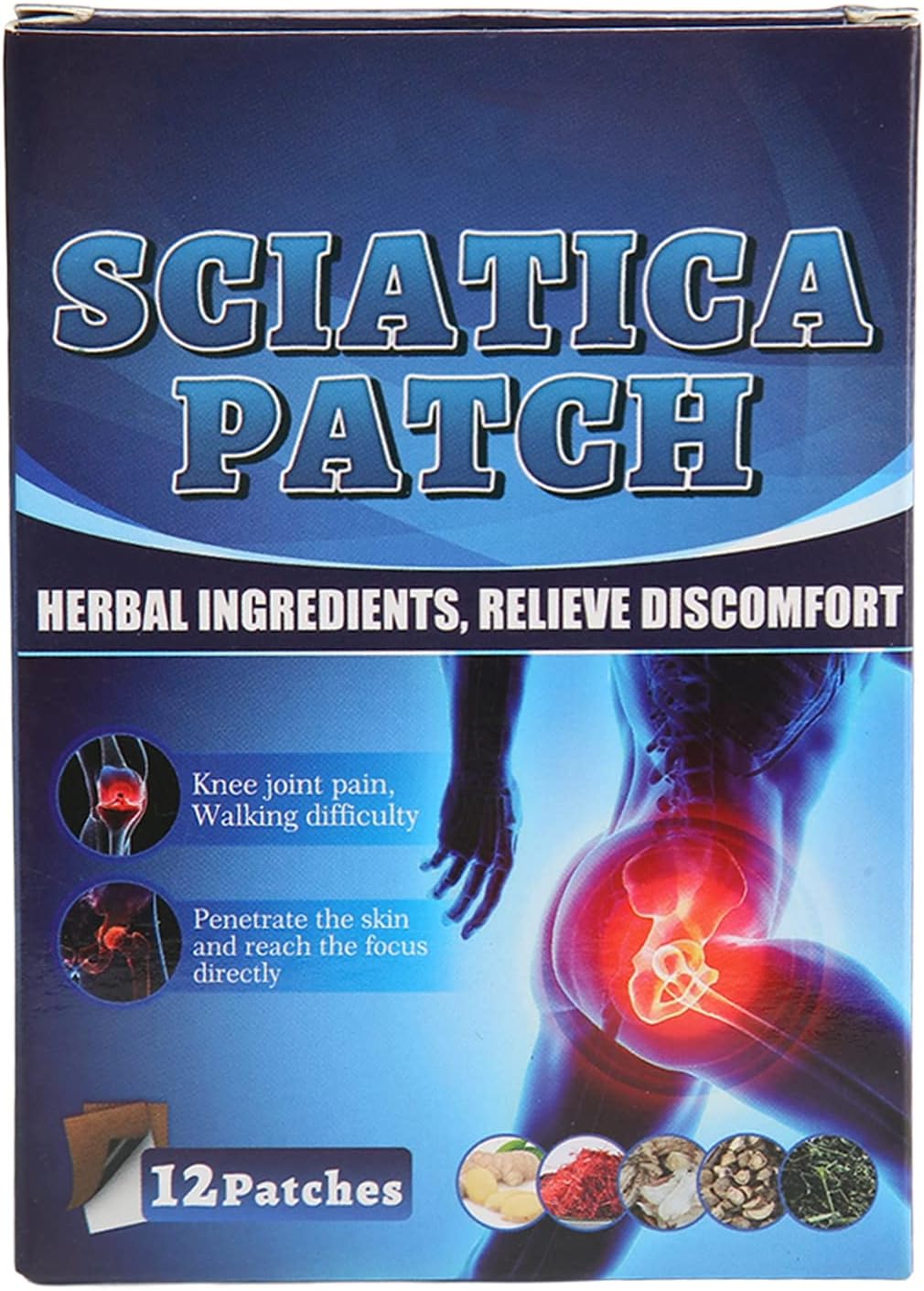
عبوة من 10 لاصقة لعلاج عرق النسا
وفر 42%! اشترِ عبوة من 10 لاصقة لعلاج عرق النسا بسعر 134.4 د.ل فقط في ليبيا. متو
🛒 تسوق الآن Libya Press
The Customs Center at Misrata Port has issued a directive banning the shipping of agricultural pesticides to all ports and entry points across Libya, according to an official circular addressed to all shipping agencies operating in the country. The measure, announced on July 18, 2026, aims to regulate the import and handling of hazardous agricultural chemicals that may pose risks to public health and the environment.
Customs authorities cited the need for stricter controls on pesticide imports, which have reportedly entered Libya through unregulated channels in recent months. The circular requires all shipping and logistics companies to comply immediately, halting any pending shipments of agricultural pesticides until further regulatory frameworks are established, the Libyan News Agency (LANA) reported.
The National Center for Animal Health has issued an urgent call for livestock breeders across Libya to immediately report any suspected cases of foot-and-mouth disease (FMD). The highly contagious viral disease affects cloven-hoofed animals including cattle, sheep, and goats, and can cause significant economic losses in the livestock sector.
According to LANA, the center's directive urges breeders to cooperate with veterinary authorities and report symptoms such as fever, blisters in the mouth and on the feet, and reduced milk production. Early detection and reporting are critical to containing outbreaks that could threaten Libya's agricultural economy and food security, veterinary officials emphasized.
Libya's livestock sector has faced recurring challenges from animal diseases, and the center's proactive alert reflects growing concern over potential FMD outbreaks during the summer months when animal movements increase.
In a development bridging culture and economic tourism potential, the French archaeological mission in Libya announced the discovery of a new ancient theater overlooking the sea in the city of Susa (Apollonia). The find represents one of the most significant archaeological discoveries in eastern Libya in recent years, adding to the region's rich Hellenistic and Roman heritage.
The theater, which offers sweeping views of the Mediterranean coastline, is expected to draw increased international attention to Libya's archaeological treasures. The discovery could bolster cultural tourism — a sector with substantial untapped potential for economic diversification and job creation in Libya's post-conflict recovery, analysts note.
The Ghat Education Inspectorate has held meetings to finalize preparations for the upcoming academic year, addressing key challenges facing the educational process in the southwestern region. Officials discussed infrastructure needs, teacher shortages, and logistical hurdles that have historically affected school operations in the area, according to LANA.
The education sector has been a priority for local authorities in Ghat, where remote location and limited resources have created bottlenecks in delivering quality education. The inspectorate's readiness efforts signal a push to ensure a smoother start to the school year for students and educators alike.
The Office of the Public Prosecutor has ordered the pretrial detention of three officials pending investigation, according to the LANA report. While specific charges were not detailed in the circular, the move underscores ongoing anti-corruption efforts by Libyan judicial authorities.
Legal observers have noted an uptick in prosecutorial actions against public officials in recent months, reflecting a broader push for accountability and transparency in state institutions. The case is expected to proceed through regular judicial channels as investigators gather evidence.
The range of announcements — from agricultural regulation and animal health alerts to cultural discoveries and educational planning — illustrates the interconnected nature of Libya's economic landscape. The pesticide ban at Misrata Port, one of Libya's busiest commercial hubs, reflects growing regulatory sophistication in trade oversight. Meanwhile, the foot-and-mouth disease alert highlights vulnerabilities in the agricultural supply chain that require coordinated government response.
The archaeological discovery in Susa presents a long-term opportunity for cultural tourism development, a sector that could help diversify Libya's oil-dependent economy. However, realizing this potential will require sustained investment in site preservation, infrastructure, and security, economic experts say.
— Libya Press / News Desk