
ملعقة إلكترونية ميزان
وفر 54%! اشترِ ملعقة إلكترونية ميزان بسعر 159.36 د.ل فقط في ليبيا. متوفر حالياً،
🛒 تسوق الآن Libya Press
Libya is currently grappling with a severe housing crisis that has transitioned from a shortage of units to a societal emergency. For the average citizen, owning a home or securing an affordable rental has become nearly impossible, as real estate prices in urban centers have surged far beyond official government salaries.
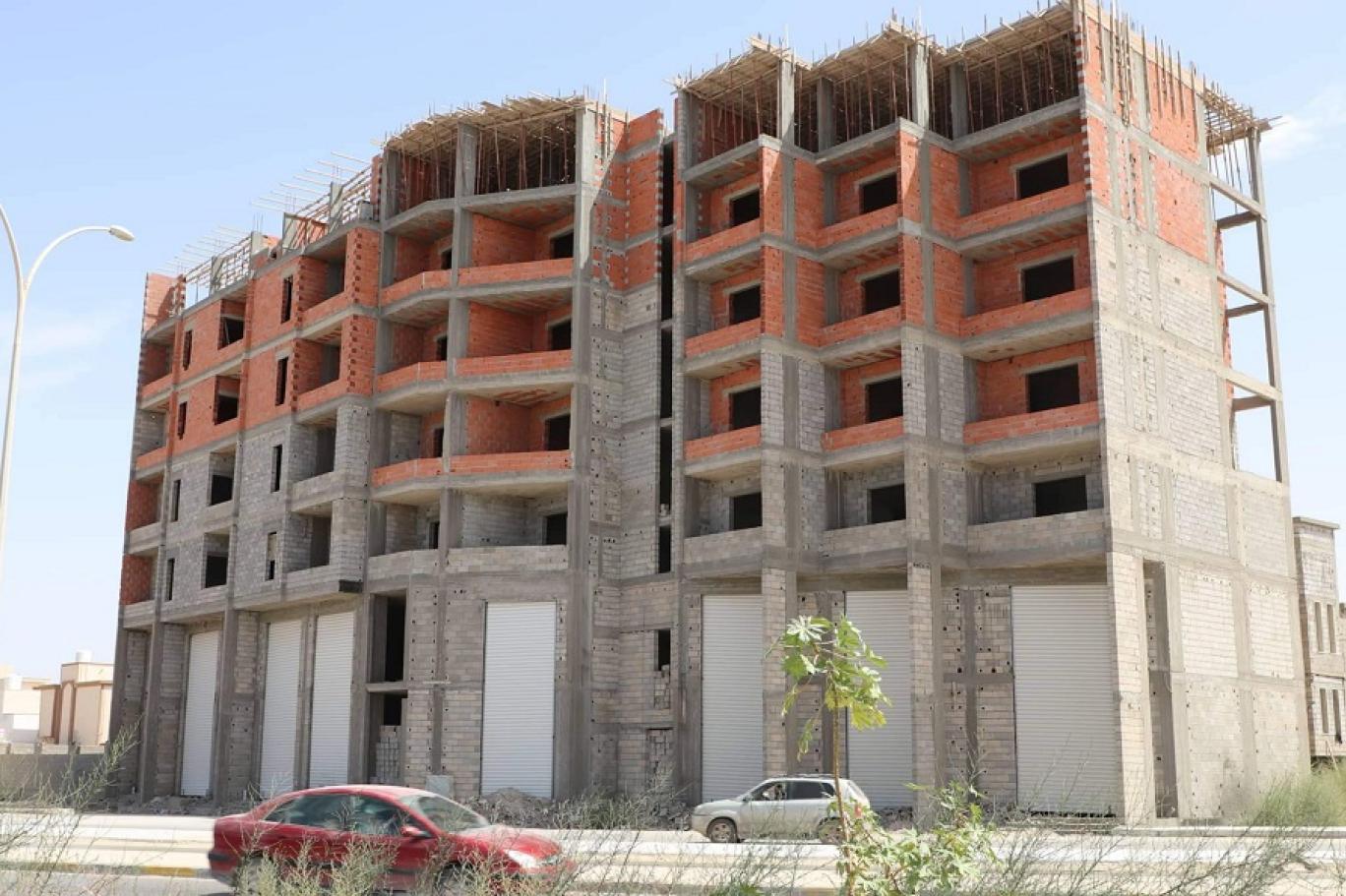
Recent statements from government officials, notably Ashmilla, reveal that this struggle is rooted in a profound systemic failure of urban management. The crisis is fueled by a combination of outdated municipal plans and a massive wave of random, unplanned construction that has transformed cities into disorganized concrete jungles.
This lack of regulatory oversight has created a chaotic landscape where the supply of legally planned land is extremely scarce. While the number of buildings increases, the quality of urban living plummets, and the scarcity of official plots drives prices upward, effectively locking young families out of the property market.
A primary driver is the skewed priority of state spending. Ashmilla highlighted a critical imbalance in Western Libya, where government focus has been weighted toward "hard" infrastructure—roads and bridges—while residential planning was largely ignored.
Because official housing initiatives were insufficient, citizens turned to unregulated private initiatives. This led to the rise of "random construction," where people built on agricultural land without architectural guidance, resulting in narrow streets and a total absence of green spaces.
This "do-it-yourself" approach has resulted in neighborhoods that lack basic zoning, contributing to the overall inflation of land values as the demand for correctly planned residential plots far outweighs the available supply.
The impact of this urban decay is most visible in Tripoli and Benghazi. In these hubs, the housing market has shifted from a basic utility to a luxury reserved for the wealthy elite and those with access to foreign currency.
Reports from sources like Libya Akhbar suggest that the seeds of this crisis were sown during the Gaddafi era, where land distribution was tied to political loyalty rather than urban need.
Following the revolution, the centralized planning system collapsed. In this vacuum, no authority enforced building codes, creating an "urban void" that current administrations are struggling to rectify. Without an overhaul of urban planning laws, the gap between supply and demand will only widen.
To solve this, the Libyan government must pivot toward "Integrated Urban Development" via a three-pronged approach:
By eradicating the "randomness" of the building boom, Libya can stabilize costs and ensure that housing is a sustainable right for every citizen.
— Libya Press / Politics Desk