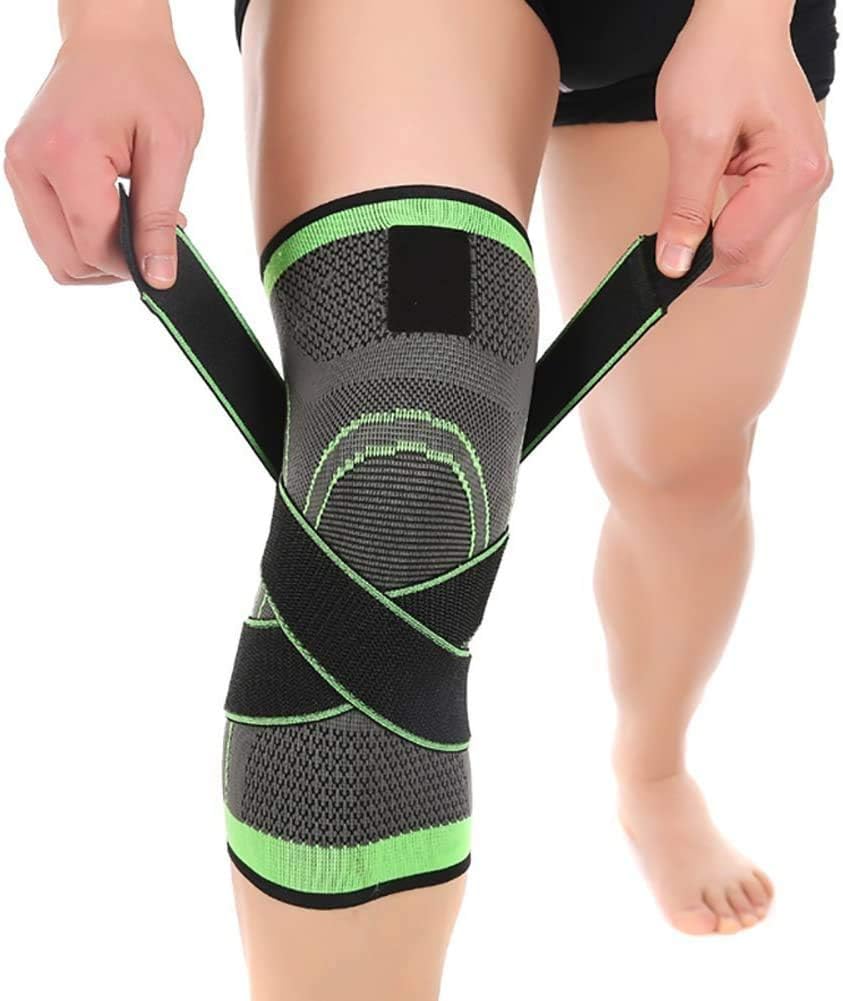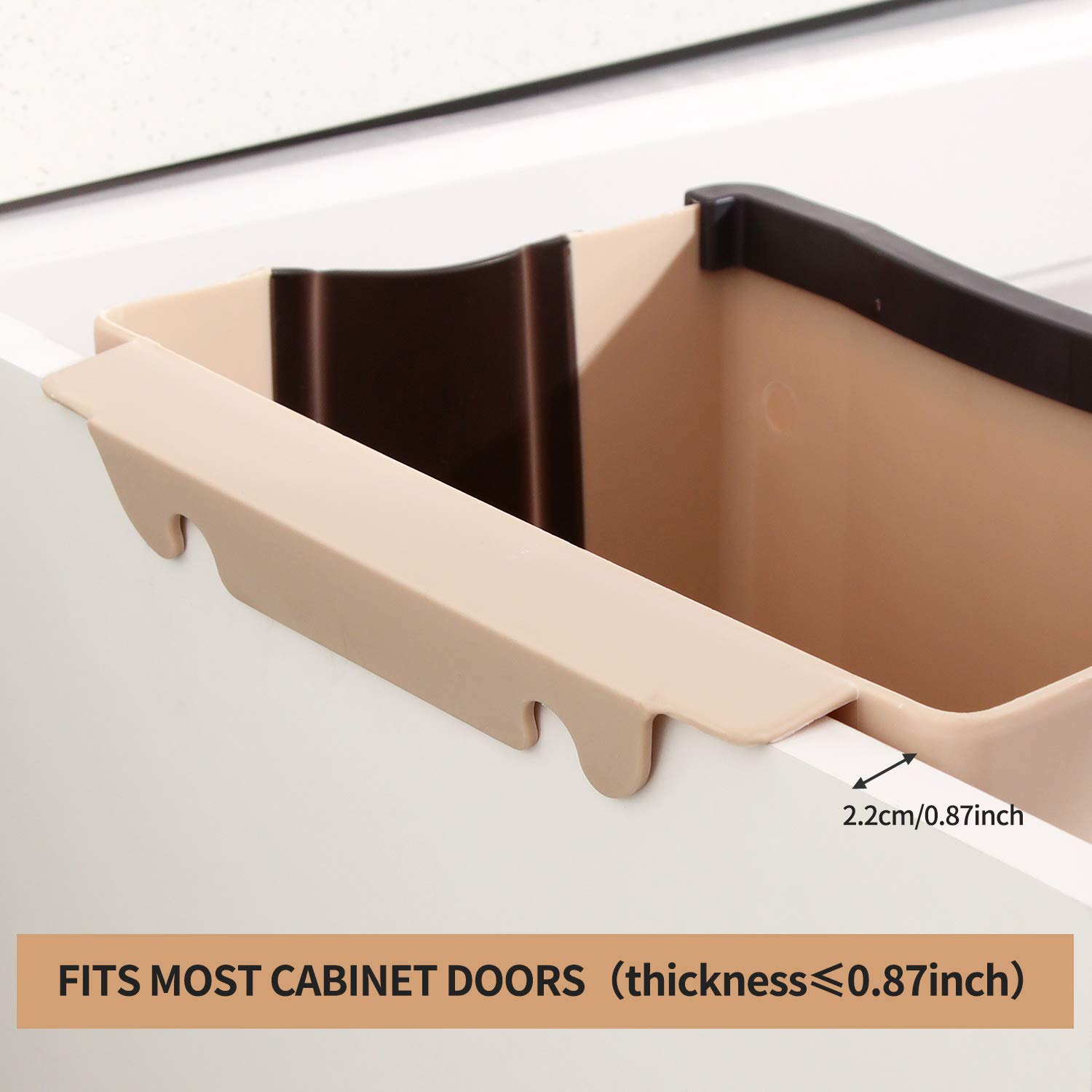
سلة مهملات تُعلق على باب خزانة المطبخ
وفر 7%! اشترِ سلة مهملات تُعلق على باب خزانة المطبخ بسعر 187.2 د.ل فقط في ليبيا.
🛒 تسوق الآن Libya Press
The Central Bank of Libya (CBL) and the People's Bank of China (PBOC) have reached a formal agreement to integrate Libyan commercial banks into China's Cross-Border Interbank Payment System (CIPS), a move that significantly reduces Libya's reliance on the US dollar for international transactions.
The deal was finalized during a high-level meeting in Beijing between CBL Governor Naji Mohammed Issa and PBOC Governor Pan Gongsheng on Saturday, July 18, 2026, according to an official statement published by the Libyan central bank.
Launched by the PBOC in 2015, CIPS is China's flagship cross-border payment and settlement infrastructure designed to facilitate international renminbi-denominated transactions. The system allows banks to send and receive payments directly in Chinese yuan, bypassing the need for correspondent banks and reducing dependence on the SWIFT network and the US dollar.
By joining CIPS, Libyan banks gain direct access to a payment corridor that processes billions of dollars in transactions annually. The system currently serves over 1,400 financial institutions across more than 100 countries.
The CBL statement confirmed that the two sides agreed to "connect Libyan commercial banks to China's Cross-Border Interbank Payment System (CIPS), which will simplify and facilitate financial transfer operations." Beyond payment infrastructure, the agreement also covers Libyan entry into the Chinese bond market and diversification of Libyan sovereign investments.
A joint banking forum between Libya and China is also planned as part of the broader financial cooperation framework. The forum aims to strengthen bilateral banking relations, facilitate knowledge exchange, and explore further investment opportunities.
For Libya, the benefits of joining CIPS extend well beyond reduced dollar dependence. The agreement is expected to help Libyan businesses — particularly small and medium enterprises — conduct direct transfers to China with greater speed and lower costs, eliminating intermediary banks that previously added fees and delays.
The shift is also expected to reduce Libya's reliance on informal currency markets, where dollar shortages have long driven a parallel exchange rate. By offering a formal yuan-denominated channel for trade and investment, the CBL aims to bring more transactions into the regulated banking system.
"This will enhance compliance with international Anti-Money Laundering and Countering the Financing of Terrorism (AML/CFT) standards and improve the international reputation of Libya's banking sector," the central bank noted.
China is one of Libya's largest trading partners, particularly in infrastructure, telecommunications, and oil sector services. Bilateral trade volumes have grown steadily since the resumption of Chinese diplomatic and commercial activity in Libya following the 2020 ceasefire.
The new CIPS arrangement is expected to accelerate trade by enabling direct settlements in yuan, reducing currency conversion costs and hedging risks associated with dollar volatility.
Libya's move aligns with a broader global trend of de-dollarization, as several emerging economies seek alternatives to the US-dominated financial system. Countries including Russia, Iran, Saudi Arabia, and the United Arab Emirates have expanded their use of CIPS or bilateral currency swap agreements in recent years.
The agreement also strengthens China's financial influence in North Africa and the Mediterranean, complementing existing infrastructure investments under the Belt and Road Initiative.
Libyan officials have framed the decision not as a break from the dollar system but as a pragmatic diversification strategy. "This is about having options and reducing vulnerability to external financial pressures," a source close to the CBL told The Libya Herald.
The technical integration of Libyan commercial banks into CIPS is expected to begin in the coming months, with full operational connectivity targeted by early 2027. Libyan banks will need to meet CIPS membership requirements, including compliance with PBOC regulations and technical standards for cross-border settlement.
The CBL has indicated it will work closely with commercial banks and regulatory bodies to ensure a smooth transition. Training programs and system upgrades are already being discussed.
— Libya Press / Economy Desk