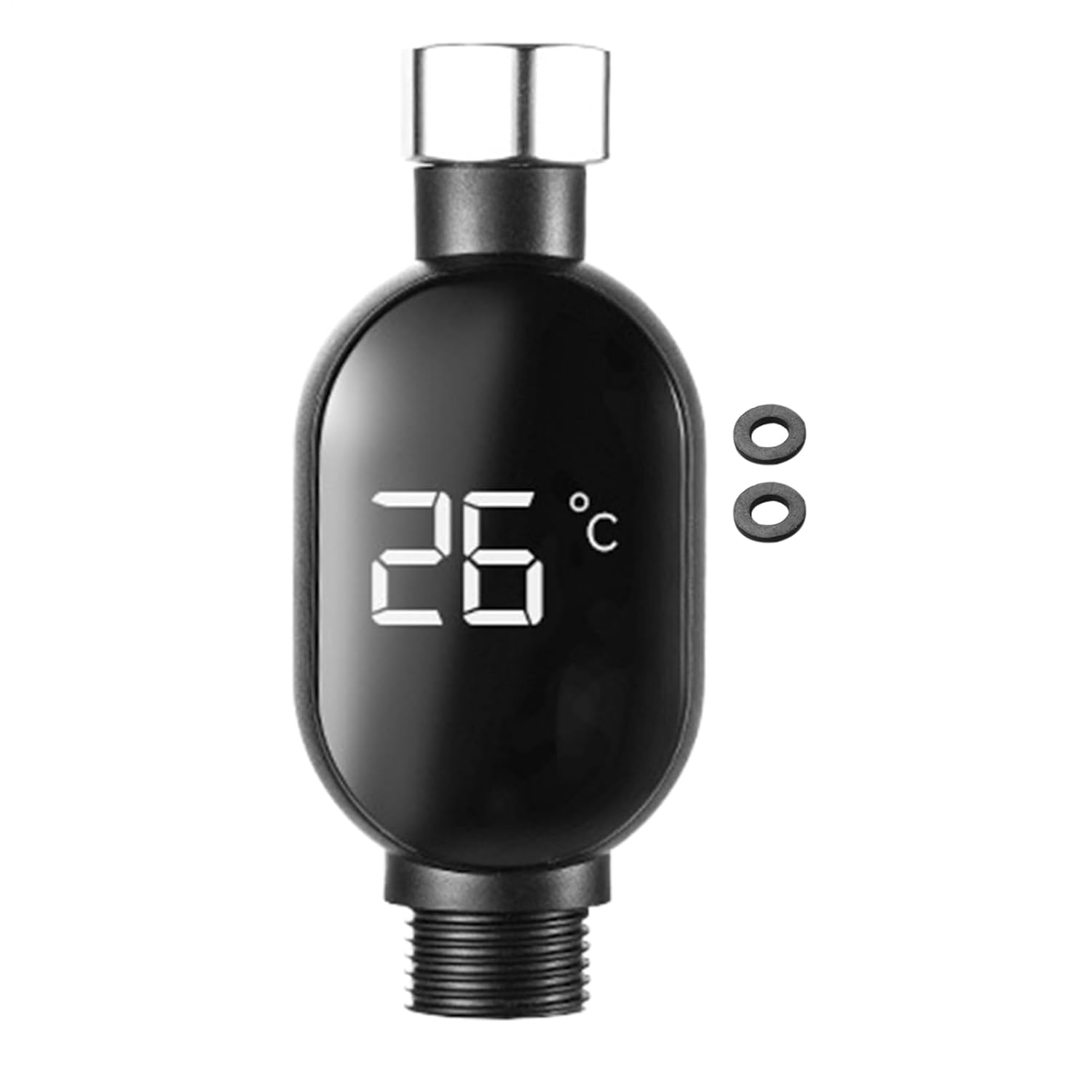
جهاز مراقبة درجة حرارة تدفق المياه
وفر 35%! اشترِ جهاز مراقبة درجة حرارة تدفق المياه بسعر 163.2 د.ل فقط في ليبيا. م
🛒 تسوق الآن Libya Press
Libyan security authorities have launched a comprehensive campaign targeting the misuse of social media platforms, with the Criminal Investigation Department (CID) identifying individuals behind pages accused of spreading rumors and incitement. The operation, reported exclusively by Eye of Libya on Thursday, comes amid growing concern over the weaponization of social media for disinformation, hate speech, and criminal activities across the country.
In a significant breakthrough, the CID disclosed the identity of the administrator of a social media page accused of publishing false information and inciting content in the city of Misrata. The investigation is part of a broader effort by Libyan law enforcement to crack down on accounts that exploit digital platforms to spread chaos and undermine public order.
The security campaign reflects the Libyan government's increasing focus on cybercrime and digital accountability. Social media platforms in Libya have frequently been used to spread rumors that have led to real-world violence, tribal conflicts, and social unrest. Authorities have signaled that this campaign will be sustained and expanded to cover all regions of the country.
Libya has experienced a surge in social media-related crimes in recent years, including the spread of fake news, incitement to violence, hate speech targeting migrants and minorities, fraud, and defamation. The absence of a robust legal framework and enforcement mechanisms has allowed many perpetrators to operate with impunity.
The current campaign targets several categories of violations: pages that publish false news aimed at destabilizing security, accounts that incite hatred against specific groups, profiles involved in scams and financial fraud, and those promoting illegal activities. Security officials have stated that the campaign is intelligence-driven and based on months of monitoring and evidence gathering.
Libya's legal system has struggled to keep pace with the rapid evolution of digital communication. While existing laws criminalize defamation and incitement, enforcement has been inconsistent due to the fragmented security landscape and limited technical capacity for digital forensics.
The National Information Security and Safety Authority has been working to strengthen the country's cybersecurity capabilities, including training investigators in digital evidence collection and analysis. International partners, including the United Nations and the International Organization for Migration, have also called for addressing hate speech online, particularly against migrants and refugees in Libya.
While the campaign has been welcomed by many Libyans frustrated with online chaos, human rights organizations have urged authorities to ensure that the crackdown respects freedom of expression and due process. The line between combating genuine criminal activity and suppressing legitimate dissent remains a concern in Libya's delicate political environment.
The National Institution for Human Rights in Libya has called for transparency in the implementation of the campaign, emphasizing that any restrictions on digital platforms should be lawful, necessary, and proportionate. Authorities have maintained that the campaign targets only those who misuse platforms for criminal purposes, not legitimate political expression.
Social media plays a complex role in Libyan society. On one hand, these platforms have been vital for citizen journalism, exposing corruption, and organizing humanitarian relief. On the other, they have been exploited to amplify tribal tensions, spread wartime propaganda, and coordinate criminal enterprises.
The current campaign represents the most coordinated effort by Libyan authorities to date to address the dark side of digital connectivity. Success will depend on consistent enforcement across all regions, cooperation with international tech companies, and the development of a clear legal framework that balances security needs with fundamental rights.
— Libya Press / Security Desk