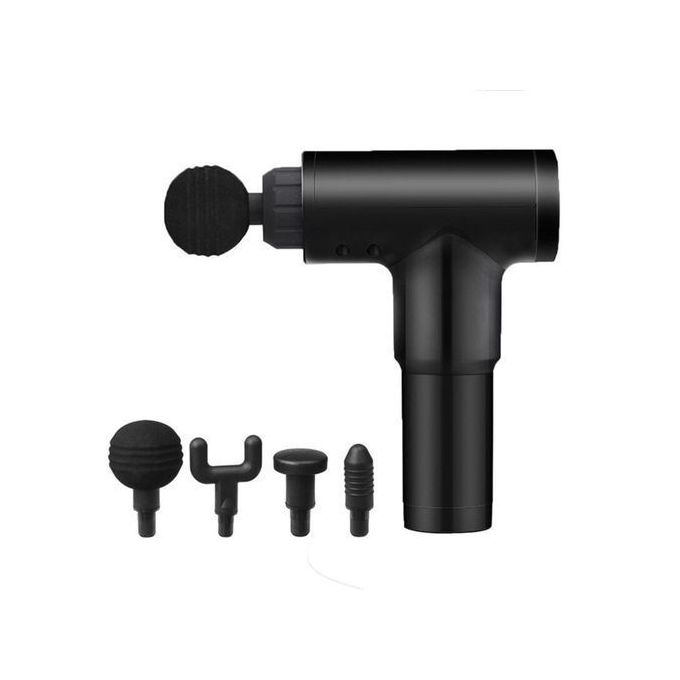
جهاز التدليك
وفر 26%! اشترِ جهاز التدليك بسعر 290 د.ل فقط في ليبيا. متوفر حالياً، الدفع عند ا
🛒 تسوق الآن Libya Press
Libya has officially declared Tuesday, June 16, 2026, a public holiday across all government institutions and public facilities to mark the beginning of the Hijri year 1448. The announcement came as a coordinated decision by both the Government of National Unity and the government mandated by the House of Representatives, signaling rare political alignment on a national occasion.
The holiday comes with critical exceptions. Educational institutions will continue operations, with student examinations proceeding as scheduled. Healthcare facilities and security agencies are also exempted, though workers in these sectors are guaranteed legal compensation.
The Libyan House of Dar al-Ifta announced Monday evening that the new moon of Muharram was sighted, confirming Tuesday as the first day of the sacred month for the new Hijri year 1448.
Mohammed Takala, President of the High Council of State, received a delegation of elders and youth from the municipality of Zlieten in Tripoli on Monday. The meeting focused on local challenges across service and development sectors.
Takala emphasized the Council's commitment to monitoring municipalities and listening to citizens nationwide. He stressed the importance of preserving social peace, promoting harmony, and advancing national reconciliation efforts between all social components.
Key discussion points from the session:
Prime Minister Abdul Hamid al-Dbeibah hosted Ali Amin Zein, Prime Minister of Niger, in Tripoli on Monday for talks focused on bilateral relations, border security, and activating the joint committee between the two nations.
Al-Dbeibah emphasized Libya's commitment to supporting Niger, rooted in historical ties. Both sides discussed economic and investment partnerships, regional connectivity projects, and security challenges including border control, transnational organized crime, and irregular migration.
The two leaders agreed to activate the Libya-Niger Joint Higher Committee and continue coordination on shared cooperation programs.
Stephanie Khouri, Deputy Special Representative of the UN Secretary-General, met Russian Ambassador Aydar Aganin on Monday to discuss the latest political, economic, and security developments. The meeting addressed the structured dialogue process and progress on obstacles that prevented implementing the first two steps of the UN-facilitated roadmap toward national elections.
The UN roadmap aims to guide Libya toward holding national elections, a critical milestone for the country's political transition.
These four developments — spanning domestic governance, municipal engagement, regional diplomacy, and international political support — paint a picture of a Libya in active transition. The Niger summit signals Libya's growing role as a regional security partner in the Sahel, while the UN-Russia diplomatic exchange underscores the international stakes in Libya's electoral roadmap.
For Libyans, the convergence of these efforts suggests a period of intensified political activity at multiple levels — local, national, and international — as the country navigates its path toward lasting stability and democratic elections.
As Libya enters the new Hijri year, the political calendar shows no signs of slowing. The Libya-Niger Joint Higher Committee is expected to produce concrete cooperation agreements in coming weeks. The UN structured dialogue continues working toward resolving electoral roadblocks, with the next phase of meetings anticipated before the end of June.
The High Council of State's engagement with municipal delegations is likely to continue as the Council seeks to strengthen its nationwide presence. For millions of Libyans, these efforts represent hope that the country's political transition is finally gaining the momentum needed to deliver stability and democratic representation.
— LibyaPress / Politics Desk