
قطاعة خضروات يدوية متعددة الوظائف 4 في 1
وفر 21%! اشترِ قطاعة خضروات يدوية متعددة الوظائف 4 في 1 بسعر 198 د.ل فقط في ليبي
🛒 تسوق الآن Libya Press
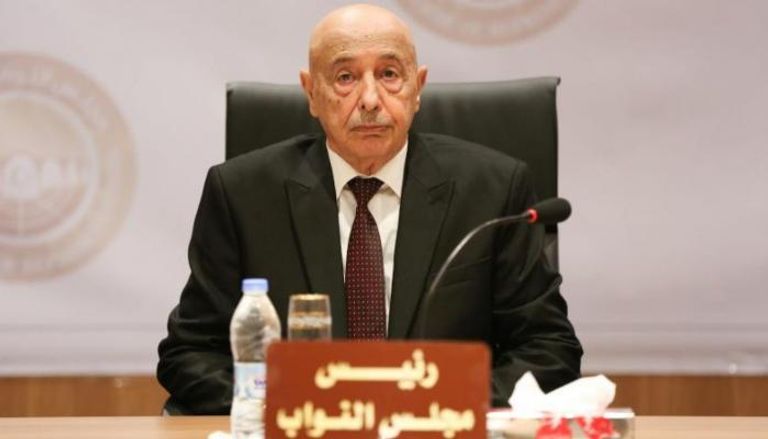
On Monday, June 15, 2026, the Second General Conference of the Asian-African Parliamentary Council convened in Benghazi and elected Libyan House of Representatives Speaker Counselor Aqila Saleh as its new president. The vote, announced by parliament spokesman Abdullah Bliheg, reflects the growing international confidence in Libya's legislative institutions and their role in strengthening joint parliamentary action at both regional and global levels.
The conference opened with broad participation from parliaments and legislative councils across Asian and African member states. Representatives from the African Parliament, the African Parliamentary Union, the Mediterranean Parliament, and the International Federation of Asian and African Trade Unions joined ambassadors, heads of diplomatic missions accredited to Libya, and officials from regional and international organizations. The scale of attendance underscores the significance of this gathering — the first major international parliamentary conference hosted in Benghazi in years.
In his opening speech as conference president, Counselor Aqila Saleh expressed pride in Libya hosting this international parliamentary event. He stated that Benghazi today represents "a model of the stability and reconstruction phase after overcoming the challenges of terrorism and extremism." Saleh emphasized that holding the conference in Benghazi carries important political and institutional messages, signaling to the international community that Libya has restored its security, stability, and regional standing through the efforts of its national institutions and the will of its people.
This election is more than a diplomatic formality — it is a strategic milestone for Libya's return to the international stage. The Asian-African Parliamentary Council serves as a bridge between two continents representing over 4.5 billion people. Libya's leadership of this body positions the country as a key player in shaping South-South cooperation on issues ranging from trade and development to migration and counterterrorism. For Libyans, this moment signals that their institutions are regaining the credibility and trust needed to lead on the world stage. It also reinforces Benghazi's emergence as a viable venue for major international gatherings, boosting the city's profile and economic prospects.
The conference continues for a second day in Benghazi, with sessions expected to address pressing shared challenges including illegal migration, corruption, and economic cooperation between Asian and African nations. A commemorative photograph was taken at the close of the first day, bringing together Speaker Saleh, council members, and heads of delegations. As Libya takes the helm of this influential parliamentary body, all eyes will be on how this leadership translates into tangible outcomes for the peoples of both continents.
— LibyaPress / Politics Desk