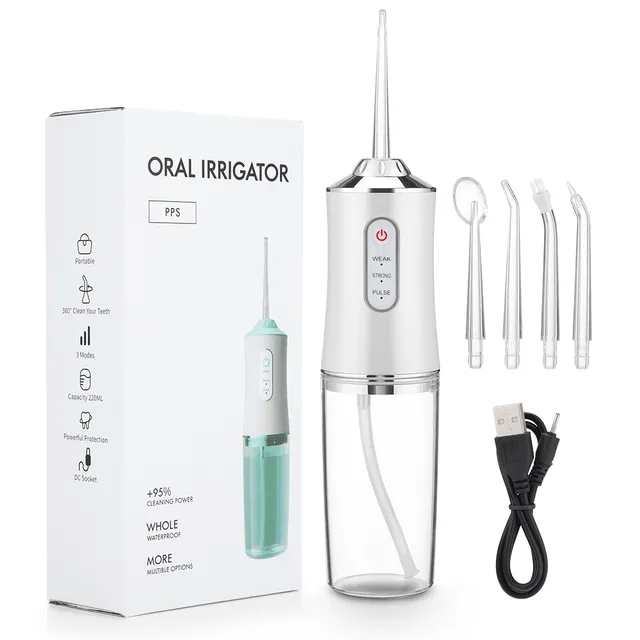
جهاز تنظيف الأسنان بالماء
وفر 48%! اشترِ جهاز تنظيف الأسنان بالماء بسعر 167.04 د.ل فقط في ليبيا. متوفر حال
🛒 تسوق الآن Libya Press
Libya remains a critical focal point of geopolitical interest in the Mediterranean. Recent strategic reports from Al-Monitor emphasize a cautious return of international energy giants to the region, signaling a potential turning point for the nation's financial stability.
The strategic value of Libya's energy sector is underscored by its status as the holder of Africa's largest proven oil reserves. However, the path to stability remains complex due to a decade of persistent political volatility and administrative fragmentation.
For the average Libyan citizen, these macroeconomic shifts translate into hope for better infrastructure and stabilized currency, provided that the wealth is managed transparently across all regions.
In a significant development, Algeria's Sonatrach has become the latest foreign oil major to resume drilling operations in Libya. This is a strategic geopolitical signal between two North African neighbors.
This move signals growing confidence that the security environment is stabilizing sufficiently to allow for large-scale industrial investment. The presence of Sonatrach provides a layer of "political insurance" that may encourage others to follow.
Industry analysts suggest that the resumption of drilling by Sonatrach could pave the way for other international firms that avoided the country since the 2011 uprising, leading to a surge in foreign direct investment (FDI).
Collaboration between Libyan and Algerian energy sectors could lead to a more integrated North African energy hub, reducing reliance on distant markets and fostering stability through shared economic interests.
Beyond the oil fields, Libya's political landscape is attempting to find a sustainable path toward governance. Recent agreements between rival leaders have outlined a critical roadmap to end the state of transition.
According to reports from the Middle East Monitor and Al-Monitor, there is an emerging consensus to push for presidential and parliamentary elections by February 2027, the critical "deadline for legitimacy."
This timeline represents a fragile attempt to move away from the cycle of temporary governments. However, its success depends on the ability of the High National Elections Commission (HNEC) to operate without interference.
The challenge lies in synchronization; if presidential and parliamentary votes are not aligned, the country risks falling back into a power vacuum where winners lack the legislative support to govern.
Despite economic gains, several deep-seated structural challenges persist that could derail the roadmap to 2027:
The synergy between economic recovery and political legitimacy is absolute: without a stable government, long-term energy investments remain high-risk; conversely, without oil revenue, political stability is nearly impossible to fund.
The importance of independent news sources like Al-Monitor is critical in a region where narratives are often controlled by political factions. Objective reporting serves as a check on power.
By providing data-driven analysis, these sources help Libyans and the international community understand the drivers of the crisis and the real potential for recovery.
Trust remains the ultimate conversion metric for news in Libya. The shift toward evidence-based reporting is essential for national reconciliation and the building of a new social contract.
Ultimately, Libya's journey from volatility to stability depends on the balance between its immense natural wealth and its ability to forge a unified political will.
— Libya Press / News Desk