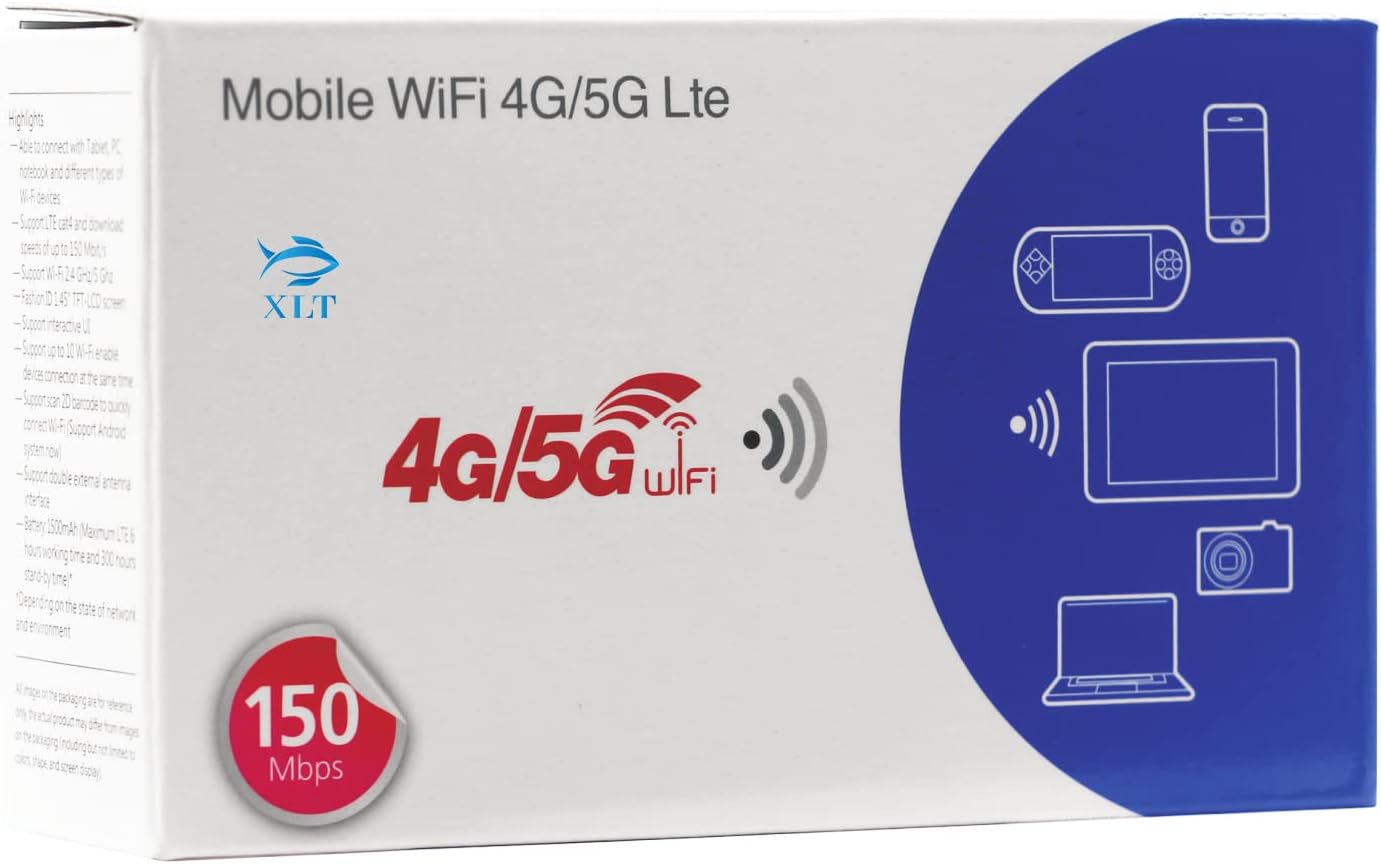
جهاز توجيه واي فاي محمول مزود بفتحة SIM
وفر 46%! اشترِ جهاز توجيه واي فاي محمول مزود بفتحة SIM بسعر 259.2 د.ل فقط في ليب
🛒 تسوق الآن Libya Press
The Central Bank of Libya (CBL) is navigating a perilous financial landscape, caught between escalating government spending demands and a sophisticated rise in cyber threats targeting the nation's monetary core. This duality creates a systemic risk that could jeopardize the entire economic framework of the state.
Recent reports indicate that the CBL disclosed critical vulnerabilities on June 9, 2026, revealing that several key internal systems were targeted by sophisticated cyber-attacks. These operations sought to disrupt financial flows and compromise sensitive data related to the nation's gold and foreign currency reserves.
The convergence of political instability and digital warfare means the CBL is now defending a digital fortress. The potential for a systemic crash increases as the bank attempts to modernize legacy systems while under active siege from organized hacking collectives.
The Libyan government's absolute reliance on the CBL for funding public services and salaries has created a constant strain on the bank's liquid reserves. This dependency threatens the bank's primary mandate: maintaining price stability and controlling inflation.
Maintaining the stability of the Libyan Dinar while facilitating massive, often unplanned, government payouts remains a delicate act. When spending spikes without corresponding revenue growth, the bank must either print more currency—fueling inflation—or deplete foreign reserves, weakening the Dinar.
Economic analyst Mohammed Abu Sunina points out that the bank is trapped in a paradox. It must execute strict monetary policy to prevent hyperinflation, yet cannot deny the state's urgent need for liquidity to maintain social order, leading to volatility in parallel market exchange rates.
Cyber-attacks in Libya have evolved into strategic tools of aggression capable of manipulating transaction records and freezing millions of dollars in seconds. They are no longer mere nuisances but existential threats to financial trust.
The CBL's admission of these threats highlights a dangerous gap in cybersecurity infrastructure. Many core processes still rely on outdated protocols vulnerable to ransomware and phishing. The risk extends beyond data loss to the potential total erasure of financial credibility.
Without robust defenses, trust from domestic depositors and international investors could erode. A single successful breach of the core ledger could trigger a bank run or lead to the international freezing of Libyan assets due to security concerns.
To achieve sustainable growth, the CBL must transition from reactive crisis management to proactive strategic planning. This requires a fundamental shift in how the state manages its wealth and defends its digital assets.
A key priority is diversifying revenue streams to reduce the total dependence on oil-funded reserves. Investing in non-oil sectors is the only way to break the government's suffocating grip on the central bank's balance sheet and mitigate global price shocks.
Furthermore, implementing real-time reporting for revenue and expenditure is essential. While monthly reports are a step toward accountability, the time lag often masks fiscal leaks and inefficiencies until they escalate into full-scale crises.
Addressing these threats requires a two-pronged approach: overhauling the legal framework for government spending to prevent arbitrary withdrawals and upgrading the "Digital Fortress" through a comprehensive cybersecurity initiative.
The CBL must build human capital by training a new generation of Libyan cyber-defense specialists. International cooperation and the adoption of modern FinTech standards, such as blockchain for transparent ledger management, are critical for success.
By combining fiscal discipline with digital resilience, the CBL can move from being a victim of circumstance to a pillar of stability, safeguarding Libya's economic future against both political instability and digital aggression.
— Libya Press / Economy Desk