
قطاعة خضراوات متعددة الوظائف 9 في 1 مع سلة تصفية
وفر 24%! اشترِ قطاعة خضراوات متعددة الوظائف 9 في 1 مع سلة تصفية بسعر 186.24 د.ل
🛒 تسوق الآن Libya Press
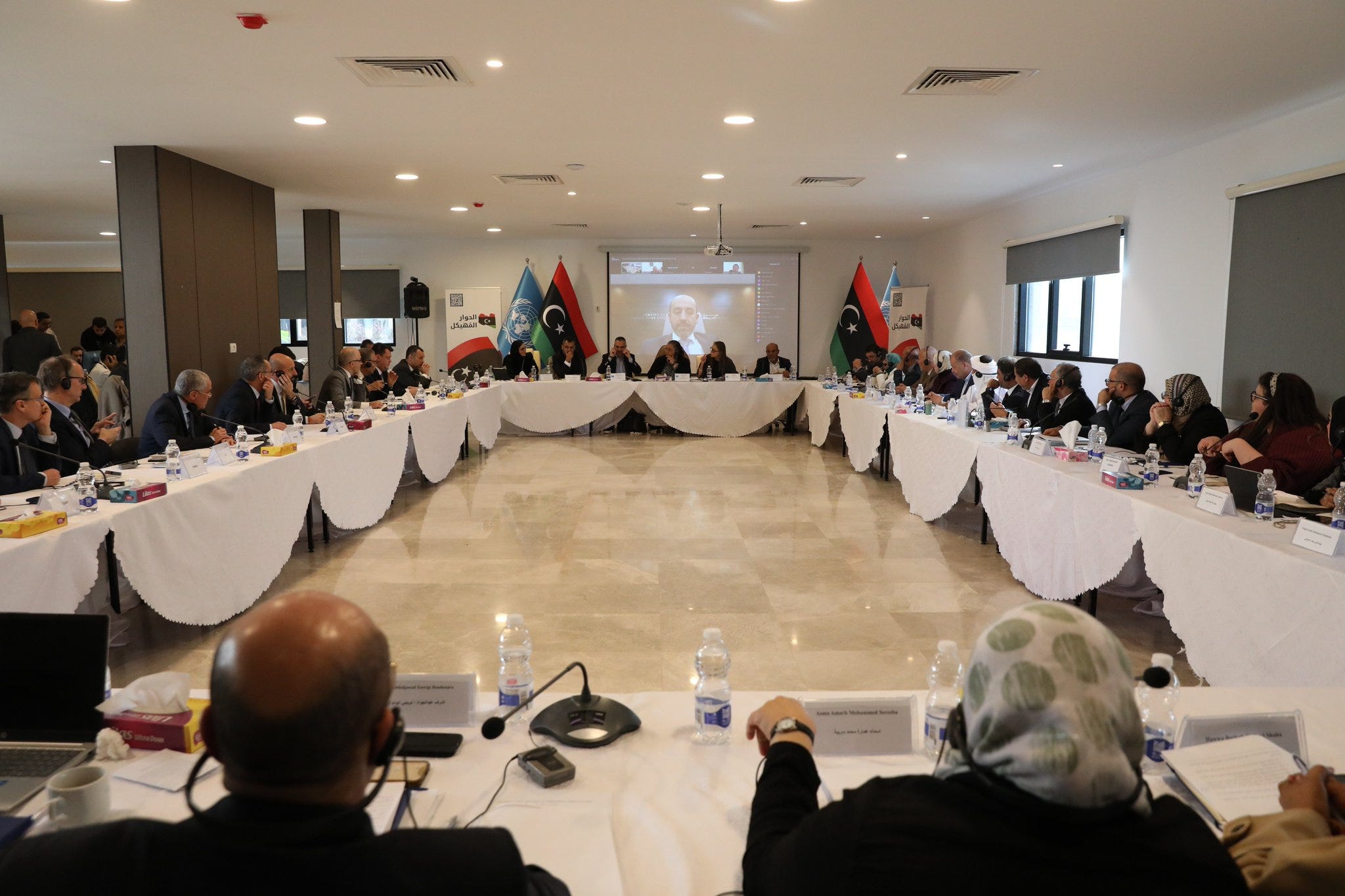
The first week of July 2026 marked a pivotal moment for Libya as US Senior Advisor Massoud Boulos embarked on an intensive diplomatic tour, launching what analysts are calling the "Boulos Initiative." This represents a major shift in Western diplomacy, directly linking international oil sector reinvestment and monetary backing to strict institutional unification and state budget discipline.
The initiative successfully mobilized over 100 House of Representatives (HoR) members and pushed the domestic "4+4" legislative committee toward a baseline political roadmap. However, Presidential Council President Mohamed Menfi cautioned that any sustainable settlement must be built on genuine national consensus rather than exclusionary elite bargains.
On the macroeconomic front, the National Oil Corporation (NOC) and the Libya Investment Authority (LIA) secured a landmark exploration and production sharing agreement in the Ghadames Basin with UCC Holding. This partnership aims to anchor state revenues amid ongoing economic challenges.
To manage resulting domestic financial pressures, Central Bank of Libya (CBL) Governor Naji Issa launched an aggressive liquidity management strategy. The introduction of unrestricted Mudaraba certificates aims to mop up excess commercial bank cash reserves. Despite these measures, structural divisions and heavy state reliance on hydrocarbons continue to strain foreign exchange stability.
The parallel currency market maintains a persistent premium, eroding local purchasing power across the country. Analysts note that comprehensive financial reform remains essential for long-term stability.
The security landscape reflects a dual-track approach by international partners. Italy has been concurrently coordinating maritime defence and counterterrorism frameworks with western Chief of Staff Salah Al-Namroush and eastern LNA Deputy Commander Saddam Haftar.
Western security agencies have demonstrated increased capabilities by dismantling digital banking fraud rings and preparing for the reopening of Tripoli International Airport. However, the expiration of UN Security Council Resolution 2292 has stripped EU Operation Irini of its high-seas vessel inspection mandates.
This reduction in multilateral enforcement authority coincides with unverified reports of expanding foreign logistical support for eastern border control manoeuvres, raising questions about future security coordination.
A geographical development divide has emerged between northern coastal hubs and the southern Fezzan region. Northern areas show significant progress with major infrastructure projects, including 90% completion of berth works at the Sirte Free Zone and road resurfacing in Tripoli.
In contrast, the Municipality of Sebha issued an urgent appeal for immediate central government intervention to resolve chronic power grid failures, rolling load shedding, and acute fuel distribution bottlenecks. This regional neglect highlights ongoing administrative vulnerabilities.
State anti-corruption watchdogs have frozen a multi-million dinar contract at the Export Development Authority and uncovered systematic identity number forgery within the El Bayda Civil Registry. These findings underscore deep-seated governance challenges that continue to threaten baseline stability.
While external diplomatic pressure has created momentum for political progress, the path forward requires genuine national consensus. The Boulos Initiative's success in uniting legislative members must translate into inclusive governance that addresses both northern development and southern instability.
Economic reforms need to address the parallel currency premium while security cooperation must adapt to the post-2292 landscape. Libya's future stability depends on synchronizing these political, economic, and security tracks into a coherent national strategy.
— Libya Press / News Desk