
مرتبة هوائية للمقعد الخلفي v2
وفر 7%! اشترِ مرتبة هوائية للمقعد الخلفي v2 بسعر 405.12 د.ل فقط في ليبيا. متوفر
🛒 تسوق الآن Libya Press
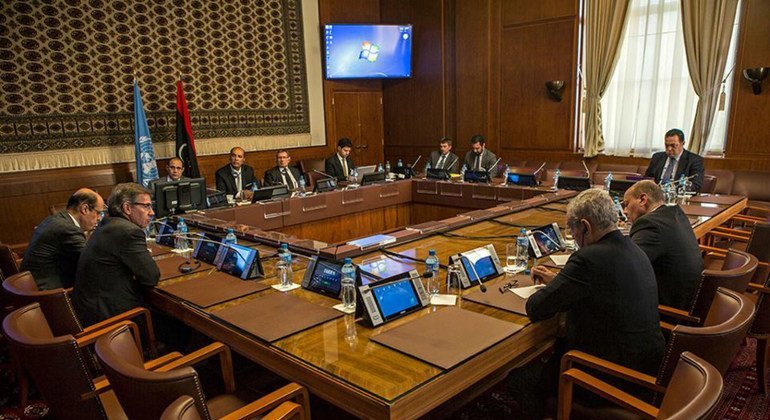
Libya's House of Representatives is on the verge of withdrawing from the Unified Public Spending Agreement, signaling a deepening rift between rival institutions over the management of the country's financial resources. The chairman of the Unified Expenditure Committee at the Libyan parliament has openly threatened to abandon the deal and revert to previous disbursement mechanisms, according to a statement published today.
The warning comes amid escalating disagreements between eastern and western Libyan authorities over budget execution and financial transparency. Analysts warn that such a withdrawal could destabilize Libya's already fragile fiscal framework and derail ongoing reform efforts supported by international organizations.
The Unified Public Spending Agreement was signed on April 11, 2026, in a ceremony attended by the Governor of the Central Bank of Libya. The deal aimed to consolidate Libya's fragmented budget processes under a single unified framework, ending years of parallel spending between competing eastern and western administrations. The agreement was widely hailed by Libyan observers as a milestone in financial and administrative reform.
Since its signing, the Government of National Unity had begun implementing the agreement's provisions for the 2026 fiscal year, with officials describing the move as a pivotal step toward institutional consolidation. However, persistent disagreements over implementation mechanisms and decision-making authority have steadily eroded trust between the signatory parties.
The statement issued by the Committee today read: "The Unified Expenditure Committee at the House of Representatives threatens to withdraw from the Unified Public Spending Agreement due to the failure of the opposing party to implement what was agreed upon." The statement underscored growing frustration within parliamentary circles over what lawmakers describe as a lack of good faith in executing the financial accord.
According to Libya Press sources, several members of the committee have privately expressed that the withdrawal threat is not a negotiating tactic but reflects genuine institutional concern over the future of Libya's financial governance. The committee is expected to convene emergency sessions in the coming days to discuss next steps.
The potential collapse of the Unified Public Spending Agreement carries profound implications for Libya's 2026 budget and the livelihoods of millions of citizens. A return to fragmented spending mechanisms would likely deepen the divide between eastern and western institutions, complicating public service delivery and salary payments to hundreds of thousands of government employees across the country.
For ordinary Libyans, the dispute translates directly into uncertainty over healthcare funding, infrastructure projects, and education budgets. Libya's economy, heavily dependent on oil revenues managed through unified financial channels, faces renewed volatility that could impact exchange rates and consumer prices nationwide. The international community, including the United Nations Support Mission in Libya, has consistently advocated for unified financial governance as a prerequisite for credible elections and lasting stability.
Observers suggest that mediation efforts led by Libyan tribal and political figures could prevent a full parliamentary withdrawal. The coming 48 hours are considered critical, as both sides face mounting pressure to either salvage the agreement or prepare for its formal dissolution. A joint committee representing the House of Representatives and the Government of National Unity may be formed to renegotiate key implementation terms.
The outcome will serve as a litmus test for Libya's broader capacity to sustain institutional unity. For now, financial governance hangs in the balance, and the nation watches closely. LibyaPress will continue to follow this developing story and provide updates as new information becomes available.
— LibyaPress / Politics Desk