
وسادة تجفيف الأطباق للمطبخ
وفر 27%! اشترِ وسادة تجفيف الأطباق للمطبخ بسعر 180.48 د.ل فقط في ليبيا. متوفر حا
🛒 تسوق الآن Libya Press
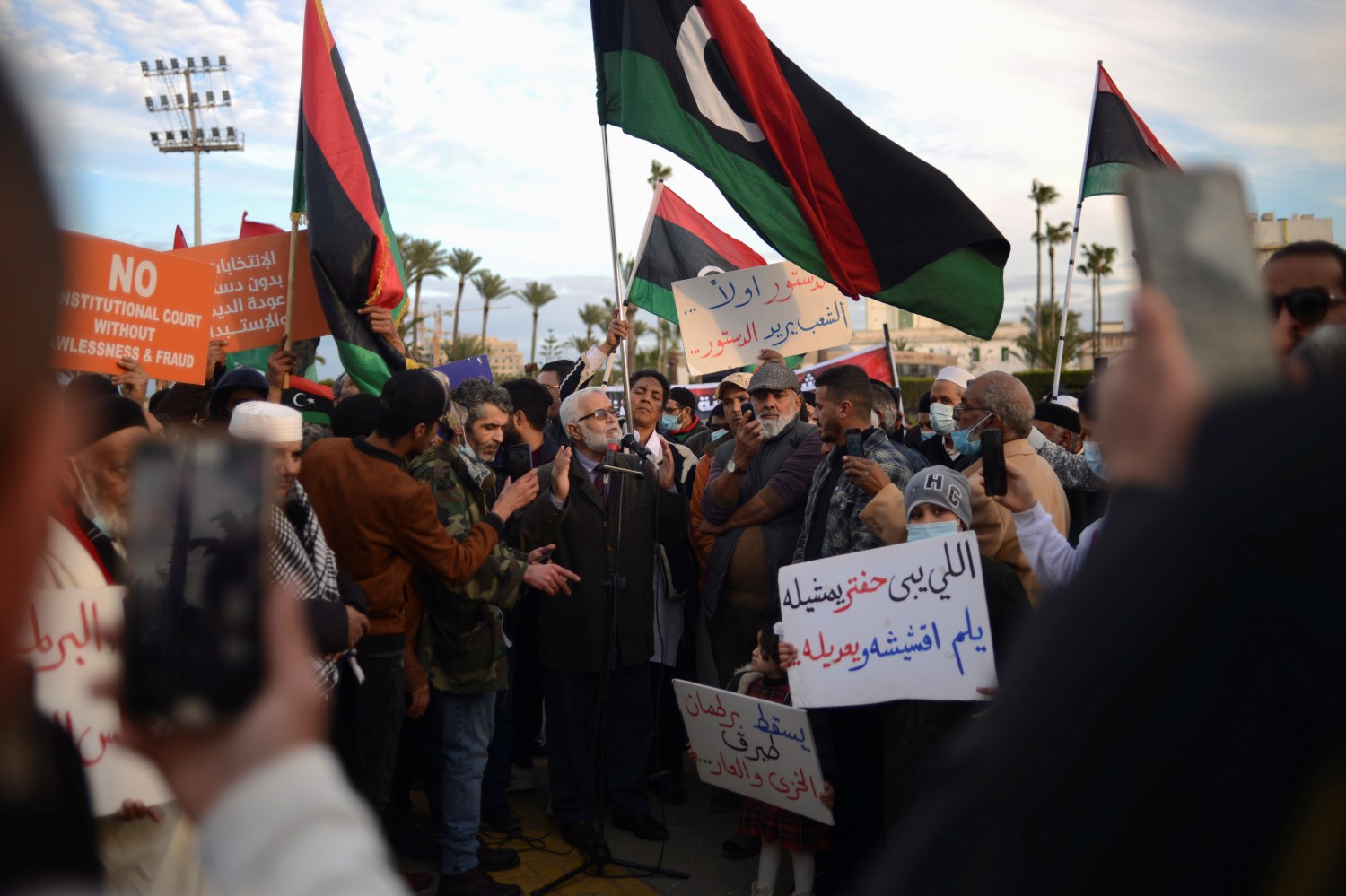
Libya's Parliament has issued a stark warning of withdrawal from the unified spending agreement, as deepening implementation disagreements threaten to unravel months of fragile fiscal consensus. The escalating dispute, which surfaced in parliamentary sessions this week, exposes fundamental rifts between legislative factions over how national expenditures should be managed across the country's divided institutions. At least 28 parliamentary blocs have reportedly expressed reservations about the current implementation framework, signaling a potential collapse of the accord that many observers considered a rare breakthrough in Libya's prolonged political stalemate.
The unified spending agreement was designed as a cornerstone measure to consolidate Libya's fragmented financial governance, bringing together rival institutions under a single expenditure framework. The deal aimed to standardize budget allocations across eastern and western regions, ensuring that public funds — particularly oil revenues — would be distributed transparently and equitably. However, from the outset, the agreement faced skepticism from lawmakers who questioned whether implementation mechanisms could function across Libya's deeply divided political landscape. The current crisis reflects those unresolved tensions, with parliamentarians now arguing that the execution process has favored certain factions while marginalizing others.
Abdelhafeed Ghoga, a prominent parliamentary figure, stated during a heated session: "We entered this agreement in good faith, but what we are witnessing in practice is a systematic exclusion of parliamentary authority. If the implementation does not reflect the spirit of consensus, we will have no choice but to reconsider our participation entirely." His remarks were met with applause from several blocs, underscoring the breadth of discontent within the legislative body. Other members echoed similar sentiments, warning that the agreement's collapse could trigger a new phase of institutional fragmentation.
The potential withdrawal from the unified spending agreement carries profound consequences for Libya's already fragile stability. A collapse of the fiscal accord would likely reignite competition over oil revenues between eastern and western institutions, potentially disrupting production and exports that constitute over 90% of state income. For ordinary Libyans, the stakes are equally severe: public sector salaries, infrastructure projects, and essential services all depend on a functioning unified budget. The crisis also threatens to undermine international confidence in Libya's political process, complicating efforts by the United Nations and European partners to broker a lasting settlement. LibyaPress continues to monitor developments as parliamentary leaders prepare for emergency consultations in the coming days.
Despite the escalating tensions, diplomatic channels remain open. Sources close to the negotiations indicate that UNSMIL envoys are working behind the scenes to broker a compromise that addresses parliamentary concerns without dismantling the agreement entirely. The coming 48 to 72 hours are widely seen as critical — a window during which either side could either step back from the brink or accelerate toward a full institutional rupture. For Libya's citizens, who have endured more than a decade of division, the hope remains that pragmatism will prevail over political brinkmanship. The path forward demands compromise, transparency, and a genuine commitment to shared governance — principles that Libyans across all regions deserve and have long demanded.
— LibyaPress / Politics Desk