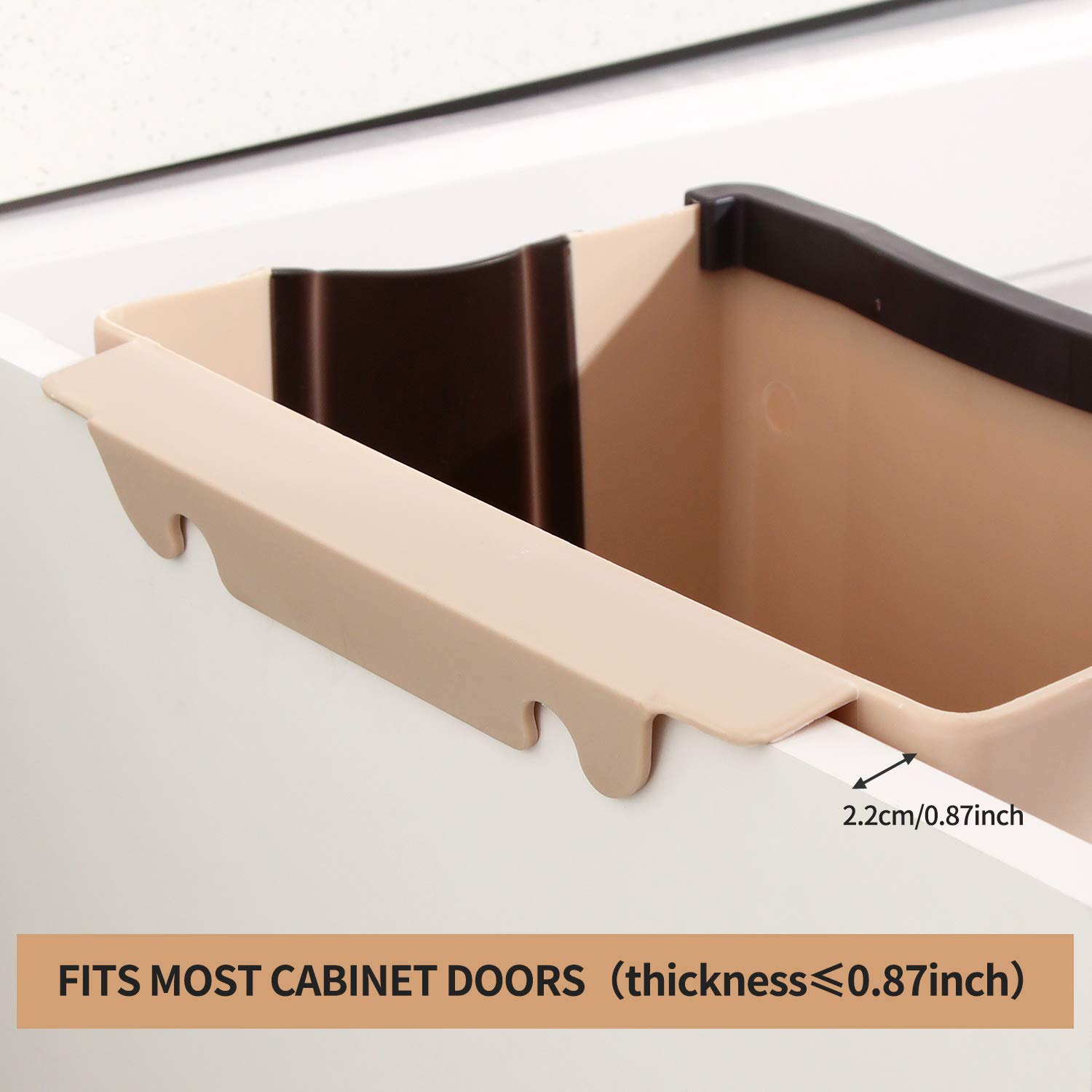

قطاعة خضراوات متعددة الوظائف 9 في 1 مع سلة تصفية
وفر 24%! اشترِ قطاعة خضراوات متعددة الوظائف 9 في 1 مع سلة تصفية بسعر 186.24 د.ل
🛒 تسوق الآن Libya Press
The latest report by Reporters Without Borders (RSF), released on World Press Freedom Day, reveals a sobering reality for the Libyan media landscape. By slipping from its 137th position in 2025, Libya is witnessing a continued downward trend in the country's commitment to journalistic independence and the safety of those reporting from the field.
This decline represents a systemic erosion of the pillars that sustain a free society. For journalists in Tripoli, Benghazi, and across the Fezzan, the environment has become increasingly hostile, characterized by a volatile mix of political instability and a lack of legal accountability.
The 2026 Index provides a granular look at where the failures are occurring. According to RSF data, Libya recorded declines across several key indicators, each reflecting a different facet of the struggle for media autonomy in a fragmented state.
Analysts suggest that the current drop is a direct symptom of the country's enduring political division. The absence of a unified, central legal authority has created a "security vacuum" where journalists are subject to the whims of local militias and regional power brokers.
Reports from local observers emphasize that the current climate is among the lowest levels of media freedom witnessed in 25 years. The gap between official discourse regarding democratic transition and the actual experience of reporters on the ground continues to widen, creating a dangerous disconnect.
Furthermore, the rise of digital surveillance has added a new layer of risk. Journalists are now targeted not only physically but through sophisticated cyber-attacks and harassment campaigns on social media, often orchestrated by anonymous actors linked to political factions.
The erosion of press freedom is a fundamental loss for every Libyan citizen. The right to access verified, unbiased, and comprehensive information is the cornerstone of informed citizenship.
When media houses are compromised by economic pressure or legislative threats, the public is left with a distorted view of reality. This lack of transparency allows corruption to flourish unchecked and prevents the citizenry from holding their leaders accountable for service failures or human rights abuses.
The 2026 Index serves as a stark warning: without a free press, the path toward a stable and democratic Libya is effectively blocked. There is an urgent need for the establishment of an independent judicial body capable of protecting the press from political retaliation.
While the RSF report notes a general global decline in press freedom, Libya's specific trajectory underscores the extreme vulnerabilities of transition states. In these environments, the press often becomes the first casualty of political instability.
For Libya to reverse this trend and climb back up the global rankings, the approach must be systemic. It is not enough to issue statements of support; there must be concrete legislative reforms that decriminalize journalistic activity and ensure the physical safety of reporters.
The goal must be the creation of a "safe operating zone" where journalists can investigate corruption and challenge official narratives without fearing for their lives. Only then can the media serve its true purpose as the watchdog of the state.
— Libya Press / Politics Desk