
سيارة الدوارة جهاز التحكم عن بعد
وفر 17%! اشترِ سيارة الدوارة جهاز التحكم عن بعد بسعر 450 د.ل فقط في ليبيا. متوفر
🛒 تسوق الآن Libya Press
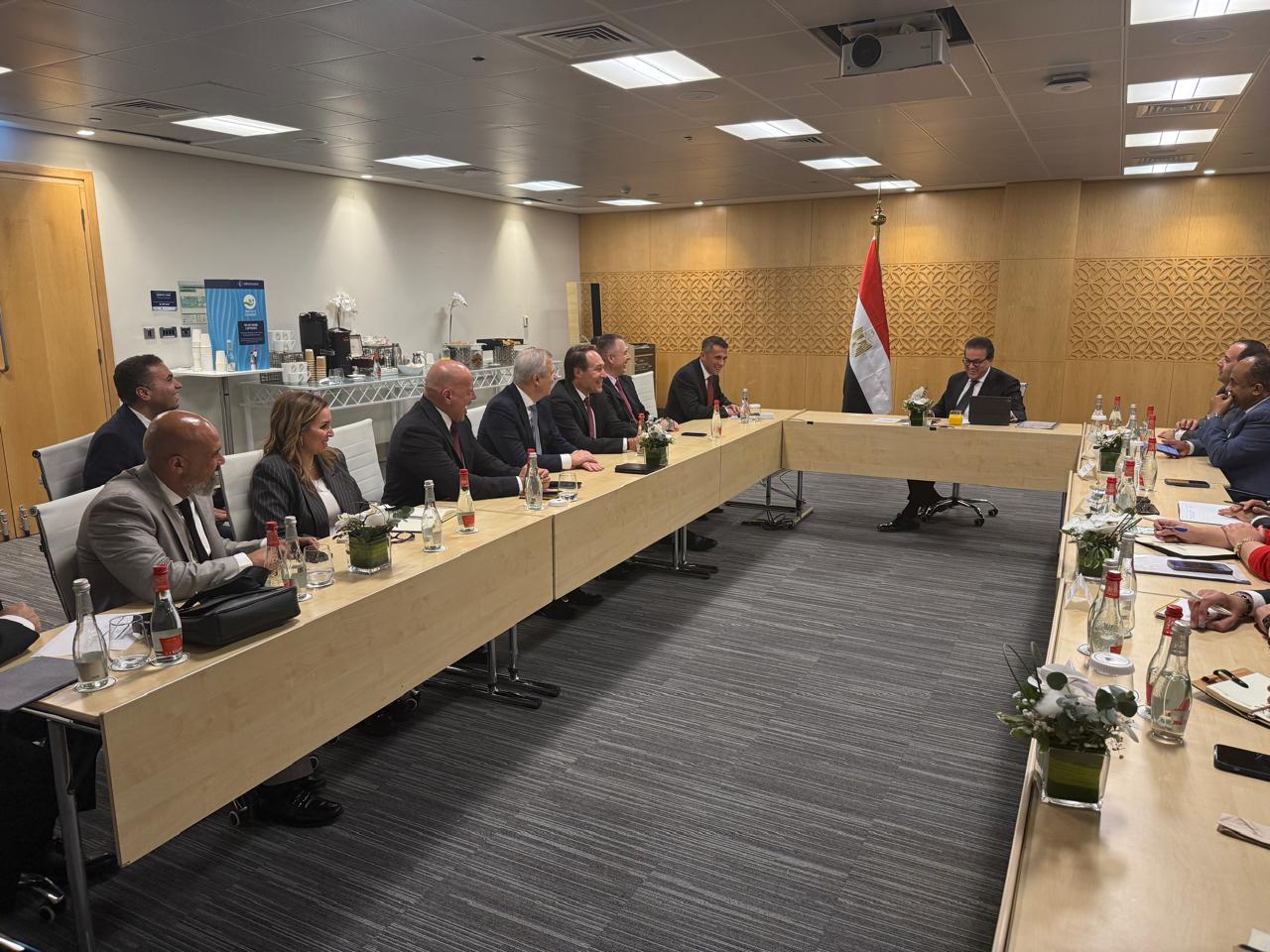
Prime Minister Abdul Hamid Dbeibeh of the Government of National Unity chaired an expanded meeting on May 12, 2026, bringing together senior health officials and ministers to assess the state of Libya's healthcare system, with a particular focus on cancer treatment centers and dialysis services. The meeting underscored the government's push to accelerate stalled medical projects and improve care delivery across all regions of the country.
The meeting was held in Tripoli and attended by Finance Minister Rashid Abu Ghaffa, Health Minister Mohammed Al-Ghouj, Minister of State for Prime Minister and Cabinet Affairs Mohammed bin Ghalboun, and Cabinet Secretary-General Adel Dweiher, alongside directors of bodies and institutions affiliated with the Ministry of Health. Discussions centered on evaluating services at hospitals and medical centers, reviewing the cancer treatment file, and assessing the medical services offered at oncology centers across Libya. The heads of the National Diabetes Authority and the National Kidney Disease Authority presented briefings on the conditions and readiness of dialysis centers, as well as follow-up programs and care for diabetes patients in different regions. The meeting also addressed the supply of medicines and operational materials, along with the completion of equipping centers with necessary medical devices and equipment.
Prime Minister Dbeibeh stressed the urgent need to complete the preparation of cancer treatment and dialysis centers and accelerate the implementation of healthcare projects. He emphasized the importance of adhering to standards of transparency, governance, and oversight in the execution of healthcare tenders and contracts. The Prime Minister further emphasized the importance of improving efficiency within the healthcare sector and ensuring the delivery of integrated medical services to citizens across all regions without delay or interruption. The meeting also discussed administrative and financial obstacles hindering the completion of contracting procedures, aiming to find solutions that ensure faster progress and improve implementation efficiency.
Libya's healthcare sector continues to face significant challenges, including delays in completing specialized treatment centers, shortages of medical supplies, and bureaucratic hurdles in procurement and contracting. The government's renewed focus on governance and transparency in healthcare tenders signals an effort to address long-standing inefficiencies. With cancer and kidney disease remaining major public health concerns in Libya, the successful completion of oncology and dialysis centers could significantly improve patient outcomes. The involvement of multiple ministries and health authorities in the meeting reflects a coordinated approach, though sustained follow-through on commitments will be critical to translating these discussions into tangible improvements in patient care.
The expanded meeting represents one of the highest-level governmental reviews of Libya's healthcare infrastructure in recent months, and its outcomes will be closely watched by medical professionals and citizens alike who have long called for meaningful reform in the sector.