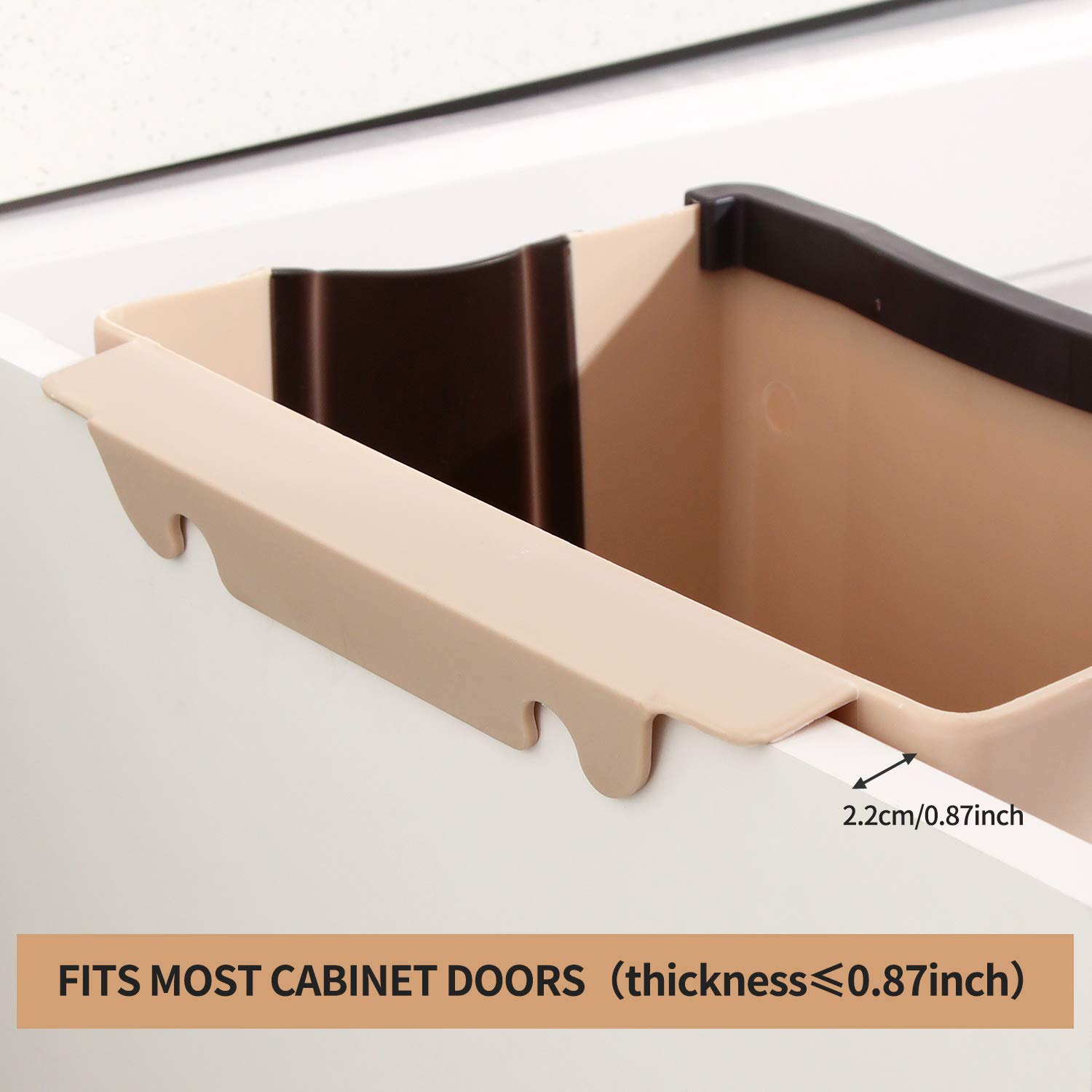
سلة مهملات تُعلق على باب خزانة المطبخ
وفر 7%! اشترِ سلة مهملات تُعلق على باب خزانة المطبخ بسعر 187.2 د.ل فقط في ليبيا.
🛒 تسوق الآن Libya Press
The Libyan dinar recorded a notable appreciation against the Egyptian pound in the parallel currency market on Friday, with one Libyan dinar reaching approximately 5.87 Egyptian pounds, according to traders and market data monitored by Libya Press.
The shift marks a continued fluctuation in the informal exchange market, which remains widely used by Libyans and Egyptians conducting cross-border transactions outside the official banking system. The parallel market rate now reflects a strengthening of the Libyan currency against its Egyptian counterpart.
Trading activity in the parallel foreign exchange market saw active movement on Friday, with exchange rates fluctuating throughout the day. Currency traders in both Libya and Egypt reported increased demand dynamics that pushed the dinar higher against the pound.
The informal market, often referred to as the "black market" or "parallel market" (al-souq al-muwaziya, the parallel market), continues to operate alongside official banking channels, serving as the primary avenue for currency exchange for many individuals and businesses due to limited access to formal banking services and ongoing liquidity constraints.
The official exchange rate set by the Central Bank of Libya remains distinct from parallel market pricing, with the gap between the two rates reflecting broader economic pressures including inflation, foreign reserve availability, and political uncertainty. While the official rate is typically more favorable, access to foreign currency through banks remains restricted for many Libyans.
In Egypt, the parallel market rate for the Libyan dinar has experienced notable volatility in recent weeks, as both currencies navigate regional economic headwinds. The Egyptian pound has faced persistent pressure amid foreign currency shortages and inflation, while the Libyan dinar's value is closely tied to oil revenues and the country's fiscal stability.
The exchange rate between the Libyan dinar and Egyptian pound directly affects thousands of daily transactions between the two neighboring countries. Libya and Egypt share strong economic ties, with significant flows of trade, medical tourism, education, and family remittances crossing the border each day.
A stronger Libyan dinar means greater purchasing power for Libyans buying Egyptian goods, paying for medical treatment in Egyptian hospitals, or covering tuition for students studying in Egyptian universities. Conversely, it makes Libyan imports more expensive for Egyptian businesses.
Currency dynamics in North Africa continue to be shaped by a combination of global monetary policy, regional instability, and domestic economic management. Libya's economy remains heavily dependent on oil and gas revenues, which account for the vast majority of government income and foreign currency reserves.
According to economic analysts cited by Libyan media, the parallel market rate reflects not just supply and demand for currency, but also broader sentiment about economic stability and confidence in official financial institutions. The gap between official and parallel rates serves as a barometer of economic confidence.
The Central Bank of Libya has periodically intervened in foreign exchange markets to stabilize the dinar, though its ability to control parallel market rates remains limited due to the informal nature of those transactions. The bank continues to urge citizens to use official channels for currency exchange.
Market observers expect continued volatility in the LYD/EGP exchange rate in the coming weeks, as both regional and domestic factors continue to influence currency markets. Libyan oil production levels, global energy prices, and the trajectory of economic reforms in Egypt will all play a role in determining future exchange rate movements.
For now, the parallel market rate of 5.87 EGP per Libyan dinar represents a notable shift in the bilateral currency relationship, with implications for the thousands of Libyans and Egyptians whose daily lives and livelihoods depend on cross-border financial flows.
— Libya Press / Economy Desk