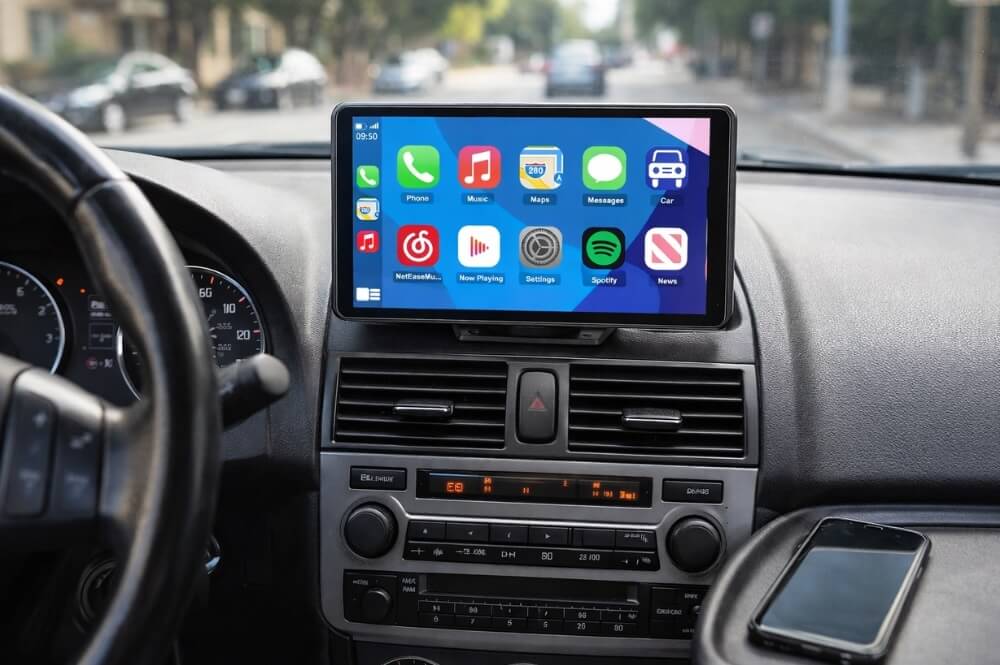
شاشة سيارة لاسلكية
وفر 27%! اشترِ شاشة سيارة لاسلكية بسعر 1065.6 د.ل فقط في ليبيا. متوفر حالياً، ال
🛒 تسوق الآن Libya Press
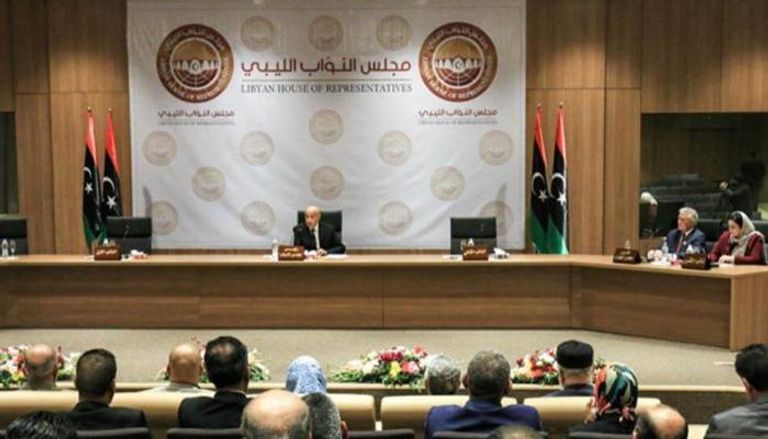
Libya's political landscape is witnessing a surge of activity as the Libyan Parliament (House of Representatives) drives multiple initiatives aimed at breaking the prolonged political deadlock. Over the past week, two major developments have emerged: a cross-party call for unified state institutions and presidential elections, and a high-level meeting between Parliament Speaker Aguila Saleh and the head of Libya's Development and Reconstruction Fund.
On July 22, 2026, a coalition of Libyan political parties issued a unified call for the establishment of consolidated state institutions and the organization of presidential and parliamentary elections. The announcement, covered by Anadolu Agency and Middle East Monitor, reflects growing frustration among political factions over the protracted transition period that has left Libya without a unified government since the collapse of the 2011 regime.
The parties emphasized that Libyans have waited long enough for a comprehensive political settlement. They urged all stakeholders to prioritize national unity over partisan interests, warning that continued fragmentation threatens the country's stability and economic recovery.
On the same day, Parliament Speaker Aguila Saleh received Engineer Belqasim Haftar, Director General of the Development and Reconstruction Fund of Libya, at the parliament headquarters in Benghazi. According to the official parliament website, the meeting focused on reviewing the progress of development and reconstruction projects being implemented across various cities and regions.
The talks covered the latest developments in the reconstruction file, including infrastructure projects, housing, and public services. Both officials stressed the importance of accelerating project timelines to deliver tangible benefits to Libyan citizens, particularly in areas affected by years of conflict and neglect.
Political observers describe the current phase as a defining moment for Libya. Multiple initiatives are converging to resolve the institutional divide between the House of Representatives in Benghazi and the High Council of State in Tripoli. Reports indicate that the UN Support Mission in Libya (UNSMIL) has been mediating behind the scenes, aiming to broker a final agreement among Libyan parties.
A significant development came in early July 2026, when UN envoy briefed the Security Council that Libyan parties were on the verge of signing a final agreement. The momentum was bolstered by the 6+6 Joint Committee, which has been working on electoral laws to pave the way for long-awaited national elections.
Libyan Parliament member Salem Qannan participated in the closing sessions of the African Parliament's Committee on Cooperation, International Relations, and Conflict Resolution. This engagement underscores Libya's continued diplomatic footprint within continental institutions despite its internal challenges. The participation also highlights the parliament's efforts to maintain Libya's international standing and build strategic partnerships.
Despite the flurry of political activity, significant hurdles remain. Disagreements over the constitutional basis for elections, the eligibility of candidates, and the role of the judiciary in overseeing the electoral process continue to divide Libyan factions. The 6+6 Committee's recommendations have yet to be fully endorsed by all parties, and questions persist over the security arrangements needed to hold free and fair elections across the country.
Economic pressures also loom large. Libya's oil-dependent economy remains vulnerable to political instability, with the nation's energy sector frequently disrupted by blockades and institutional disputes. Political analysts argue that without a unified government capable of managing resources transparently, economic recovery will remain elusive.
Nevertheless, the recent signals from parliament and political parties suggest a renewed willingness to compromise. The convergence of domestic pressure, international mediation, and economic necessity may provide the catalyst needed to move Libya toward a more stable and unified future.
— Libya Press / Politics Desk