
سكاكين الطبخ
وفر 24%! اشترِ سكاكين الطبخ بسعر 260 د.ل فقط في ليبيا. متوفر حالياً، الدفع عند ا
🛒 تسوق الآن Libya Press
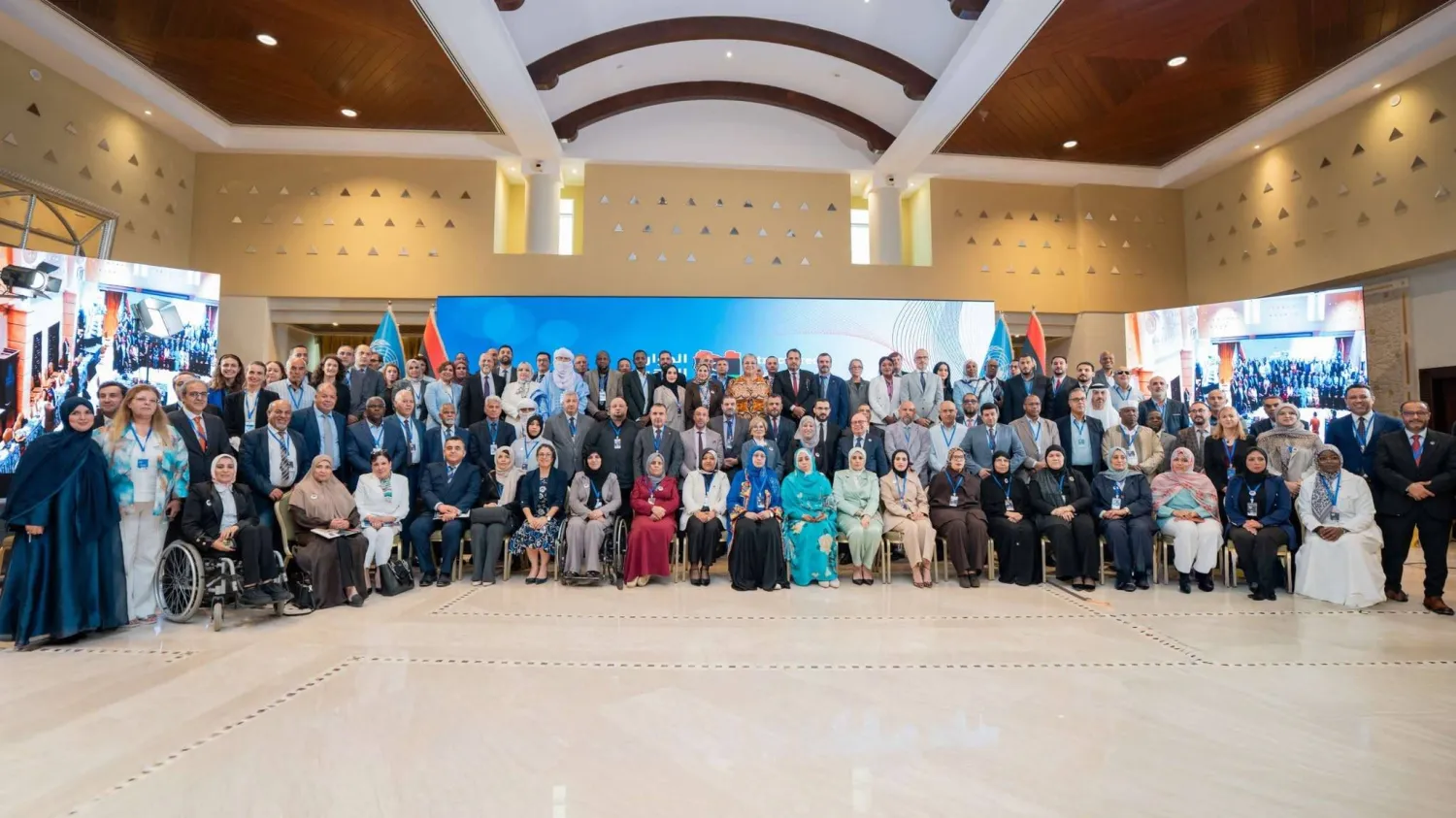
Libya's political crisis deepened on June 16, as a UN-sponsored "Structured Dialogue" concluded with a 45-day deadline for the country's rival parliamentary bodies to agree on election laws — a mandate many Libyan politicians dismiss as another cycle of wasted time. The two chambers, the House of Representatives in the east and the High Council of State in Tripoli, have failed to reach consensus on electoral legislation for over two years despite repeated international pressure.
Libyan legal researcher Hisham Salem al-Harathi was blunt: granting the councils another deadline represents "a continuation of wasting time and an extension of the political crisis." He questioned how two bodies that failed for years on fundamental disputes could reconcile within 45 days. "The dialogue outputs have failed to provide urgent solutions despite worsening political division and deteriorating economic conditions," he told Asharq Al-Awsat.
The skepticism extends inside parliament itself. HoR member Sulaiman Souiker said the Structured Dialogue offered "nothing new to build upon," arguing the UN mission should have bridged viewpoints rather than recirculate the crisis. Fellow member Ammar al-Ablaq pointed to a deep trust deficit, noting the HoR stands by the 6+6 committee's electoral laws from over two years ago while the HCS demands modifications. Al-Ablaq said the US-backed initiative attributed to advisor Massad Boulos — merging both authorities under a unified government — remains the most viable path given Washington's diplomatic weight.
HCS member Muhammad Muzeb offered a more hopeful view, pointing to "wide understandings" between HoR and HCS delegations during a recent 6+6 committee meeting in Tripoli. He suggested amendments "may not take long" with help from an advisory committee formed by UNSMIL in early 2025. However, he acknowledged that military candidates and dual nationals running for the presidency remain "one of the most complicated files." Muzeb said his council "is open and serious about dialogue" under the Libyan Political Agreement, which requires both chambers to agree on any constitutional framework.
For ordinary citizens, the political impasse means fragmented oil wealth, crumbling infrastructure, and weakened public services. Over 12 years after Gaddafi's fall, Libya still lacks a unified constitution, a permanent government, and a functioning electoral framework. The 45-day deadline is the latest test of whether rival institutions can prioritize national interest over political survival. Previous deadlines — from the 2015 Skhirat Agreement to the 2020 Cairo Declaration — all expired without resolution. Whether this round differs may depend less on the councils themselves and more on whether international actors can enforce accountability.
— LibyaPress / Politics Desk