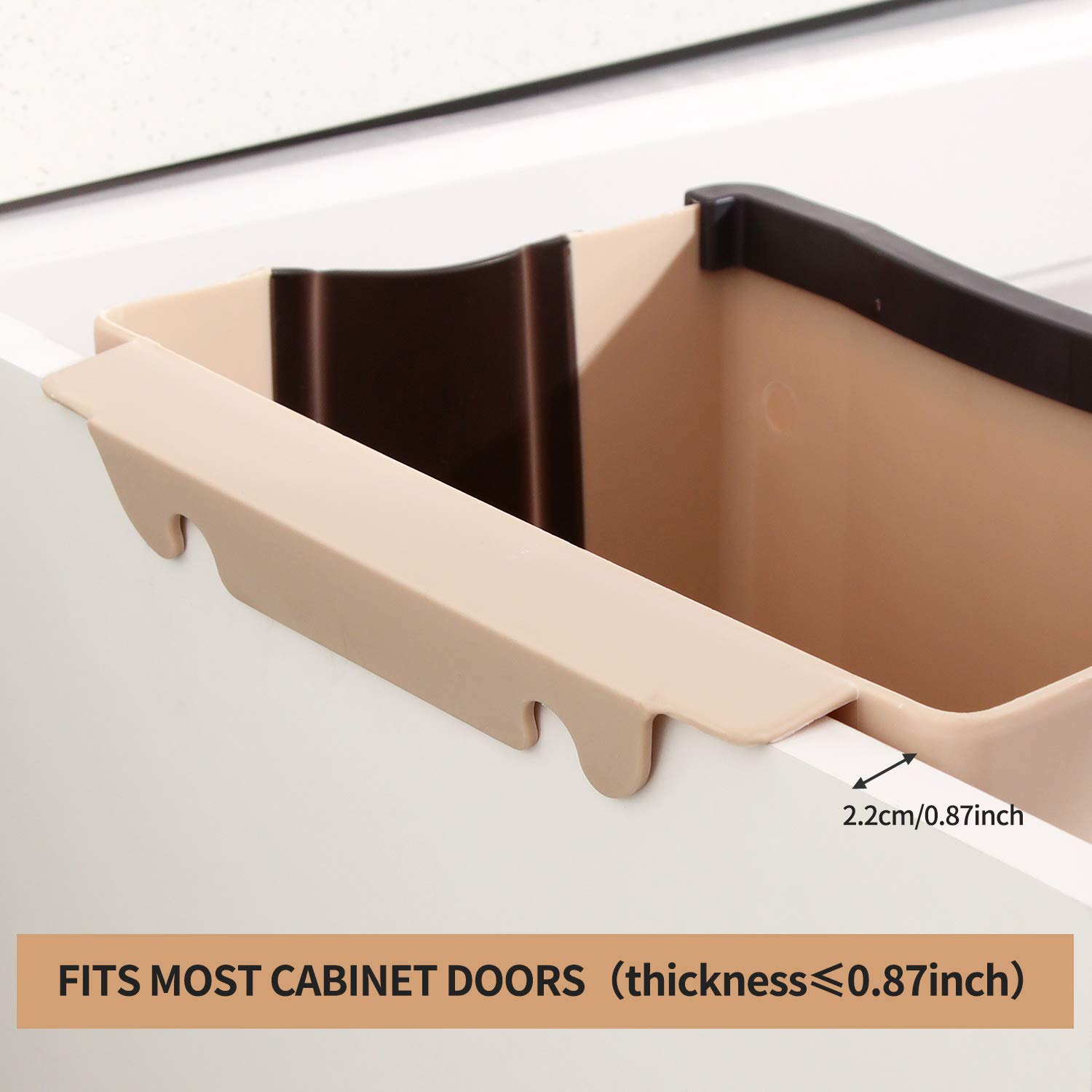
سلة مهملات تُعلق على باب خزانة المطبخ
وفر 7%! اشترِ سلة مهملات تُعلق على باب خزانة المطبخ بسعر 187.2 د.ل فقط في ليبيا.
🛒 تسوق الآن Libya Press
The head of the Unified Expenditure Committee in Libya's House of Representatives has threatened to withdraw from the Public Expenditure Unification Agreement and revert to previous spending mechanisms, deepening the country's financial crisis. The announcement came today amid escalating disagreements over fiscal policy between legislative and executive authorities. This move threatens to unravel months of negotiations aimed at consolidating Libya's fragmented budgetary process.
The threat represents a significant escalation in the ongoing power struggle over Libya's financial governance. The agreement, which was designed to streamline public spending across rival institutions, has faced mounting opposition from parliamentary factions who argue it undermines legislative oversight of state expenditures.
The Public Expenditure Unification Agreement was signed on April 11, 2026, in a ceremony attended by representatives from the Central Bank of Libya and relevant government bodies. The deal sought to create a unified mechanism for managing Libya's vast oil revenues, which have long been contested between competing administrations in the east and west of the country. Libya's GDP remains heavily dependent on hydrocarbon revenues, with oil accounting for approximately 98% of the nation's export earnings.
However, within weeks of its signing, the agreement has faced fierce resistance from parliamentary blocs who claim it concentrates too much financial authority in the hands of the executive branch. Critics within the House of Representatives argue that the deal bypasses constitutional provisions granting parliament the power to approve and monitor the national budget.
Members of the House of Representatives have expressed growing frustration with what they describe as an erosion of parliamentary prerogatives. "The agreement in its current form places all financial decision-making power outside the legislative framework, which is unacceptable from a constitutional standpoint," said one senior parliamentary source familiar with the deliberations. "We will not rubber-stamp a deal that sidelines the elected representatives of the Libyan people."
The parliamentary pushback reflects deeper tensions within Libya's political landscape, where competing claims to legitimacy have complicated efforts to establish unified governance structures. The House of Representatives, based in eastern Libya, has long vied for influence with the internationally recognized Government of National Unity based in Tripoli.
The potential collapse of the Public Expenditure Unification Agreement carries profound implications for Libya's economic stability and political reconciliation process. A functioning unified budget is considered essential for addressing the country's pressing needs, including infrastructure reconstruction, public sector wages, and basic service delivery to citizens across all regions.
Libyans have endured over a decade of institutional division that has directly impacted living standards, from inconsistent electricity supply to fragmented healthcare systems. The failure to maintain a unified financial framework risks deepening these challenges and could delay critical development projects worth billions of dinars. International organizations, including the IMF and the World Bank, have repeatedly emphasized that fiscal unification is a prerequisite for sustainable economic recovery in Libya.
For ordinary Libyan citizens, the stakes are immediate and tangible. A breakdown in the agreement could delay salary payments to the millions of public sector employees who depend on government wages, disrupt fuel subsidies that keep transportation costs manageable, and stall reconstruction efforts in cities still bearing scars from years of conflict.
Observers are watching closely to see whether last-minute negotiations can salvage the agreement before parliament follows through on its withdrawal threat. Diplomatic channels remain open, with intermediaries working to bridge the gap between the competing positions. The coming 48 hours are widely seen as critical for determining the fate of Libya's most significant fiscal reform effort in years.
Analysts suggest that a compromise addressing parliamentary oversight concerns while preserving the agreement's core unification mechanisms may offer the only viable path forward. The international community, including the United Nations Support Mission in Libya, has urged all parties to prioritize national interest over institutional rivalries and maintain dialogue to resolve the dispute peacefully.
— LibyaPress / Politics Desk