
سيروم لإزالة رائحة الفم الكريهة
وفر 35%! اشترِ سيروم لإزالة رائحة الفم الكريهة بسعر 158.79 د.ل فقط في ليبيا. متو
🛒 تسوق الآن Libya Press
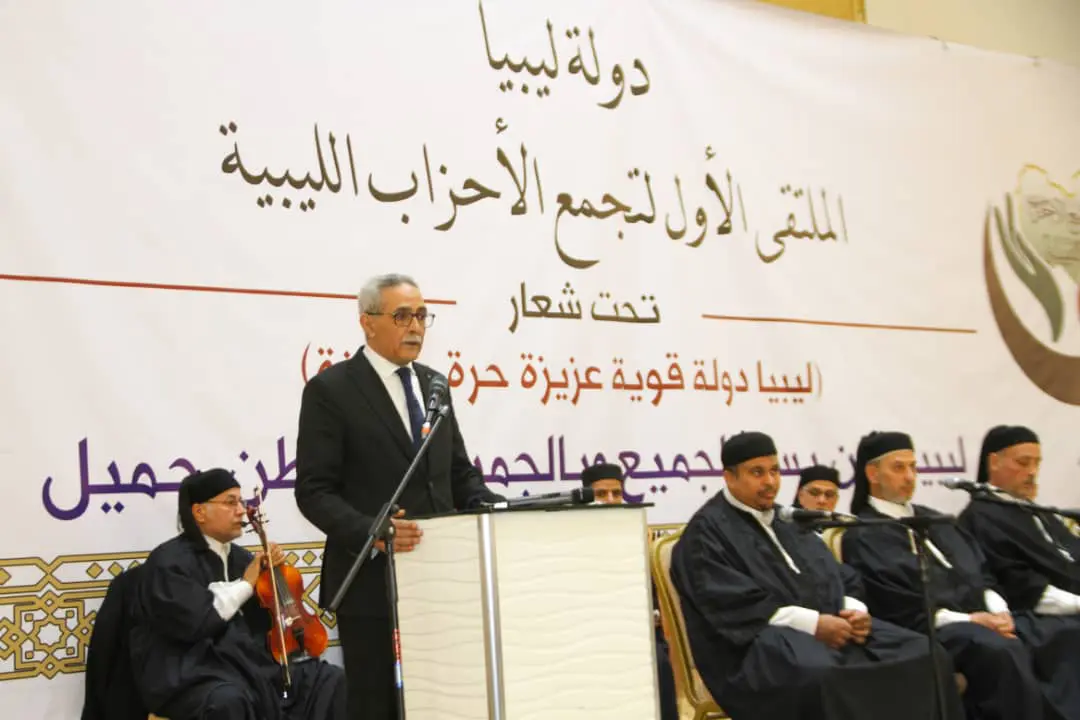
The Libyan Political Parties Bloc has strongly denied recent claims that it sponsored or endorsed the political dialogue forum held in Geneva, Switzerland, dismissing the allegations as baseless and deliberately misleading to the Libyan public.
In a formal statement obtained by Libyan media, the bloc expressed its shock and condemnation of what it described as false claims circulated in media coverage and promotional materials surrounding the Geneva meeting. According to the statement, the suggestion that the forum was held "under the patronage of Libyan political parties" is completely untrue and bears no relation to reality.
The Libyan Political Parties Bloc emphasized that it did not grant any mandate or authorization to those meeting in Geneva, nor did it empower any party—whether an organization or individual—to speak on its behalf or claim representation of Libyan political parties. The bloc stated that any attempts to drag its name or the name of Libya's political parties into this track are deliberate efforts to mislead public opinion.
The statement specifically rejected media narratives that suggested the bloc had endorsed or sponsored the forum's agenda, calling such reports a fabrication. The bloc warned that these efforts undermine the credibility of any outcomes produced by the gathering.
While reaffirming its unwavering support for sincere national efforts to resolve Libya's ongoing crisis, the bloc set clear conditions for its endorsement of any political initiative. It demanded that any such efforts be founded on genuine national consensus among Libyans and ensure fair representation for all segments of Libyan society, including all active political and social forces.
The bloc stressed that inclusive participation must replace policies of marginalization, selective representation, and attempts to impose fait accompli. It argued that previous dialogue tracks have failed precisely because they excluded key stakeholders and operated without broad national buy-in.
In its statement, the Libyan Political Parties Bloc made clear that genuine political legitimacy cannot be engineered or manufactured behind closed doors. It cannot be imposed through documents or understandings that lack broad national consensus. True legitimacy, the bloc argued, derives exclusively from the free will and independent choices of the Libyan people, exercised through recognized and legitimate state institutions.
The bloc's position reflects growing frustration among Libyan political actors with internationally-sponsored dialogue processes that are perceived as bypassing local consensus-building mechanisms. This sentiment echoes across the Libyan political spectrum, where many groups have voiced concerns about foreign interference in Libya's political future.
Building on its position, the bloc announced its absolute non-recognition of any results or outcomes that may emerge from the Geneva forum. This includes all scenarios circulating regarding the formation of a new government or the establishment of any new executive or political councils or bodies. The bloc stated that such outcomes completely lack the legal, political, and national consensus cover that would grant them acceptance and legitimacy.
The bloc's rejection extends to any proposals for a transitional roadmap, new constitutional arrangements, or governance frameworks that may be presented as outcomes of the Geneva process. The position is categorical: without broad Libyan ownership of the process, its outputs are considered null and void.
Concluding its statement, the bloc emphasized that ending Libya's crisis will never be achieved through dubious tracks managed away from national will and sovereignty. The only viable path, according to the bloc, lies in launching a comprehensive Libyan-Libyan dialogue that excludes no party, genuinely respects the choices of the Libyan people, preserves the sovereignty of the Libyan state, and protects the unity of its institutions.
This call for truly home-grown dialogue reflects a broader consensus among Libyan political actors that externally-facilitated processes must give way to indigenous conflict resolution mechanisms. The bloc's position underscores the growing demand for Libyan ownership of the political process as a prerequisite for sustainable peace and stability in the country.
— Libya Press / Politics Desk