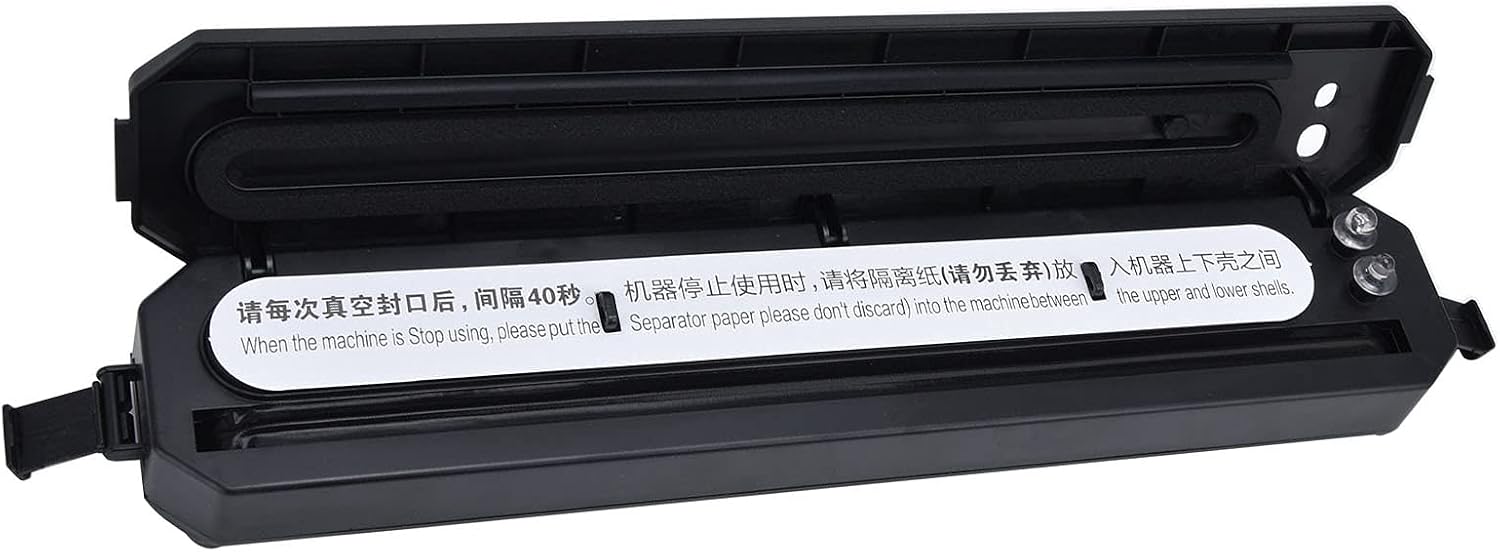
قطاعة اليدوية للخضراوات 4 في 1
وفر 35%! اشترِ قطاعة اليدوية للخضراوات 4 في 1 بسعر 162.24 د.ل فقط في ليبيا. متو
🛒 تسوق الآن Libya Press
A growing wave of Libyan civil society voices is sharply criticizing the steady decline of state institutions, demanding urgent action to restore national sovereignty, enforce the rule of law, and hold accountable those who have undermined the country's political and legal frameworks. The calls, amplified across social media and local forums, reflect deepening public frustration with the prolonged transitional period.
In a joint statement on July 15, 2026, activists, legal experts, and community leaders called for the restoration of legitimacy through the national ballot box, insisting that only free and fair elections can end the cycle of institutional fragmentation that has plagued Libya since 2014.
On June 18, 2026, Libya's three main political bodies — the House of Representatives, the High State Council, and the Presidential Council — signed a historic trilateral power-sharing agreement in Cairo under the auspices of the Arab League. The agreement set a roadmap for simultaneous presidential and parliamentary elections no later than February 17, 2027, marking the first such unified commitment in fifteen years.
The deal was built on the April 2026 unified state budget of $30 billion — the first approved in over a decade — brokered with significant US diplomatic engagement. However, many Libyans remain skeptical. Critics argue that the agreement represents an elite power-sharing arrangement rather than genuine institutional reform.
Central to the current wave of criticism is the erosion of Libyan sovereignty. Analysts point to the continued presence of foreign mercenaries, the proliferation of armed groups operating outside state control, and the fragmentation of security institutions as key indicators of state weakness.
Political analyst Abdullah Al-Kabir identified the political split since 2014 as the root cause of Libya's sovereignty crisis. "The division created a fragile state reality and weakened its ability to extend its authority," he wrote, noting that parallel governments have systematically undermined the rule of law. In February 2026, competing court rulings from Tripoli and Benghazi exposed the depth of this institutional divide.
Libya holds Africa's largest proven oil reserves, yet the decade-long conflict has devastated its economy. Dr. Awad Mabrouk, an institutional development consultant, argues that unifying the National Oil Corporation and protecting it from factional interference could boost production past 1.5 million barrels per day and raise state revenues by 20 to 30 percent.
The unified budget represents a tentative step forward, but without corresponding political reform and institutional unification, economic gains remain fragile. Oil revenue distribution has long been a flashpoint, with allegations that elite interests have captured state resources at the expense of ordinary Libyans.
The United Nations has acknowledged renewed momentum in Libya's political process but warns that the window for meaningful action is narrowing. In a June 2026 briefing to the Security Council, UNSMIL stressed that any political process must respect Libyan sovereignty, end the transitional period, and avoid repeating past mistakes. Libya's own UN representative expressed reservations about the Structured Dialogue process, insisting it should have reflected a broader range of views.
The July 15 statements represent an organized push by Libyan civil society to hold political actors accountable. Activists are demanding transparent electoral preparations, an end to foreign interference, and the prosecution of those who have violated laws with impunity. The High National Elections Commission (HNEC) has confirmed its technical readiness to administer elections, but requires a clear political consensus and secure environment to proceed.
As Libya moves toward what could be a pivotal electoral moment, the message from its citizens is unmistakable: the era of transitional arrangements must end, and the sovereignty of the Libyan state must be restored through the ballot box and the rule of law.
— Libya Press / News Desk