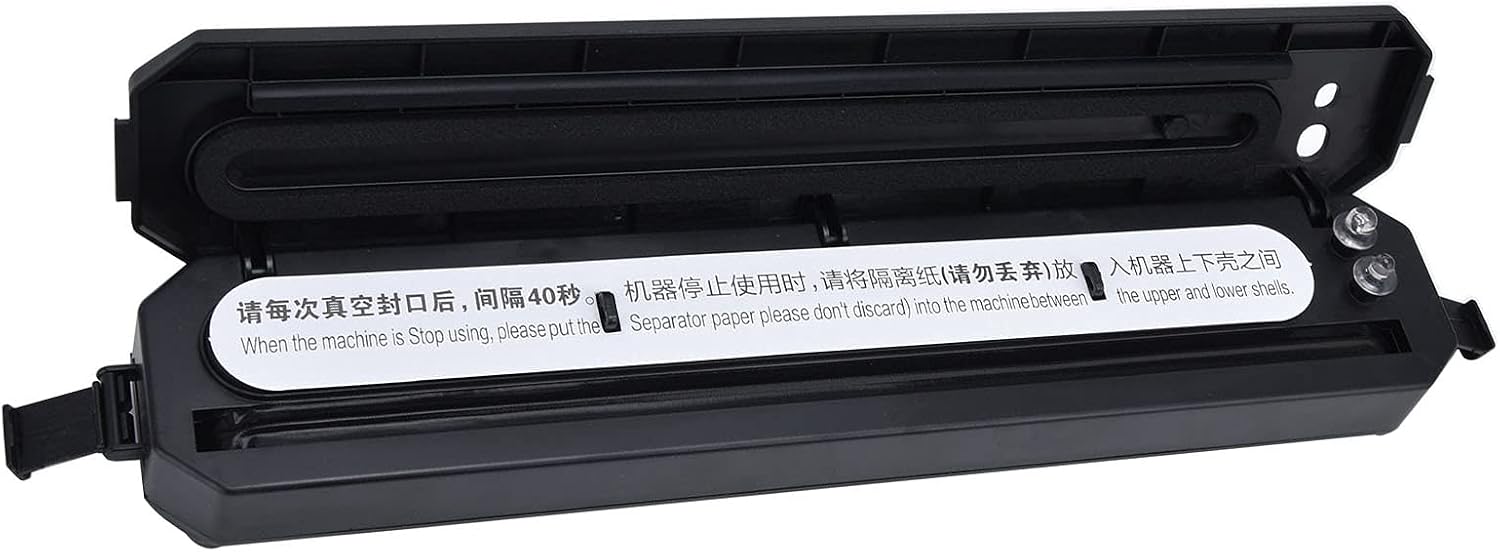
ماكينة التغليف بالتفريغ
وفر 4%! اشترِ ماكينة التغليف بالتفريغ بسعر 306.63 د.ل فقط في ليبيا. متوفر حالياً
🛒 تسوق الآن Libya Press
Members of the Libyan "4+4" mini-dialogue committee are preparing to convene a decisive session in early August to resolve outstanding issues and finalize their joint political agreement, following the successful integration of most agreed clauses into the latest proposal. This breakthrough comes after months of stalled negotiations that had threatened to derail the UN-facilitated political roadmap for Libya's transition.
The development follows the committee's sixth meeting, hosted by UNSMIL at its Tunis headquarters. During these talks, participants established a novel mechanism to select a consensus candidate for the chairmanship of the High National Elections Commission (HNEC), replacing a previous approach that had stalled progress on the electoral track.
The "4+4" mini-dialogue committee, composed of four representatives from the House of Representatives and four from the High Council of State, was formed to break deadlocks in Libya's political process. The equal representation structure ensures both legislative bodies have balanced input into decisions affecting the country's future.
Since its formation, the committee has tackled contentious issues dividing Libyan factions, including the legal basis for elections and the powers of the executive branch. The agreement on a consensus mechanism for HNEC chairmanship is among its most concrete achievements to date.
The High National Elections Commission is the sole constitutional body responsible for organizing all elections in Libya. Its chairmanship has been a flashpoint because whoever holds the position controls the timing, logistics, and credibility of the electoral process. A broadly acceptable chairperson is essential for any election outcome to be recognized by all major factions.
The previous selection mechanism had become a source of contention, with each side accusing the other of attempting to install a partisan figure. This stalled progress on the electoral roadmap and raised fears that the 2026 elections — widely seen as Libya's best chance for lasting stability — could be postponed indefinitely.
UNSMIL has played a central mediating role throughout the dialogue process. By hosting talks at its Tunis headquarters, it provided a neutral venue for direct negotiations away from domestic political pressures. The facilitation team worked closely with both sides to bridge differences and propose compromise language.
UNSMIL's approach encourages Libyan ownership of the political process while providing technical expertise and international legitimacy. The mission has stressed that only a Libyan-led solution can produce sustainable outcomes for the country's transition.
The committee also focused on refining legal and regulatory frameworks governing the forthcoming presidential and parliamentary elections. These frameworks draw upon agreements from previous sessions and aim to address disputes over candidate eligibility, electoral district boundaries, and vote sequencing.
The committee incorporated lessons from past electoral attempts, including the 2021 presidential election postponed amid legal disputes. By establishing clear rules beforehand, the committee hopes to minimize post-election challenges that could undermine results.
The early August session will address remaining outstanding issues. Politically sensitive matters still on the table include the relationship between executive and legislative branches during the transition and power-sharing mechanisms at the local level.
Diplomatic observers in Tripoli and international capitals have welcomed the progress but caution that difficult compromises lie ahead. The committee's ability to reach a comprehensive agreement in August will be closely watched as a bellwether for Libya's political trajectory. A successful conclusion could unlock international support and pave the way for the first unified national elections since 2014.
— Libya Press / Politics Desk