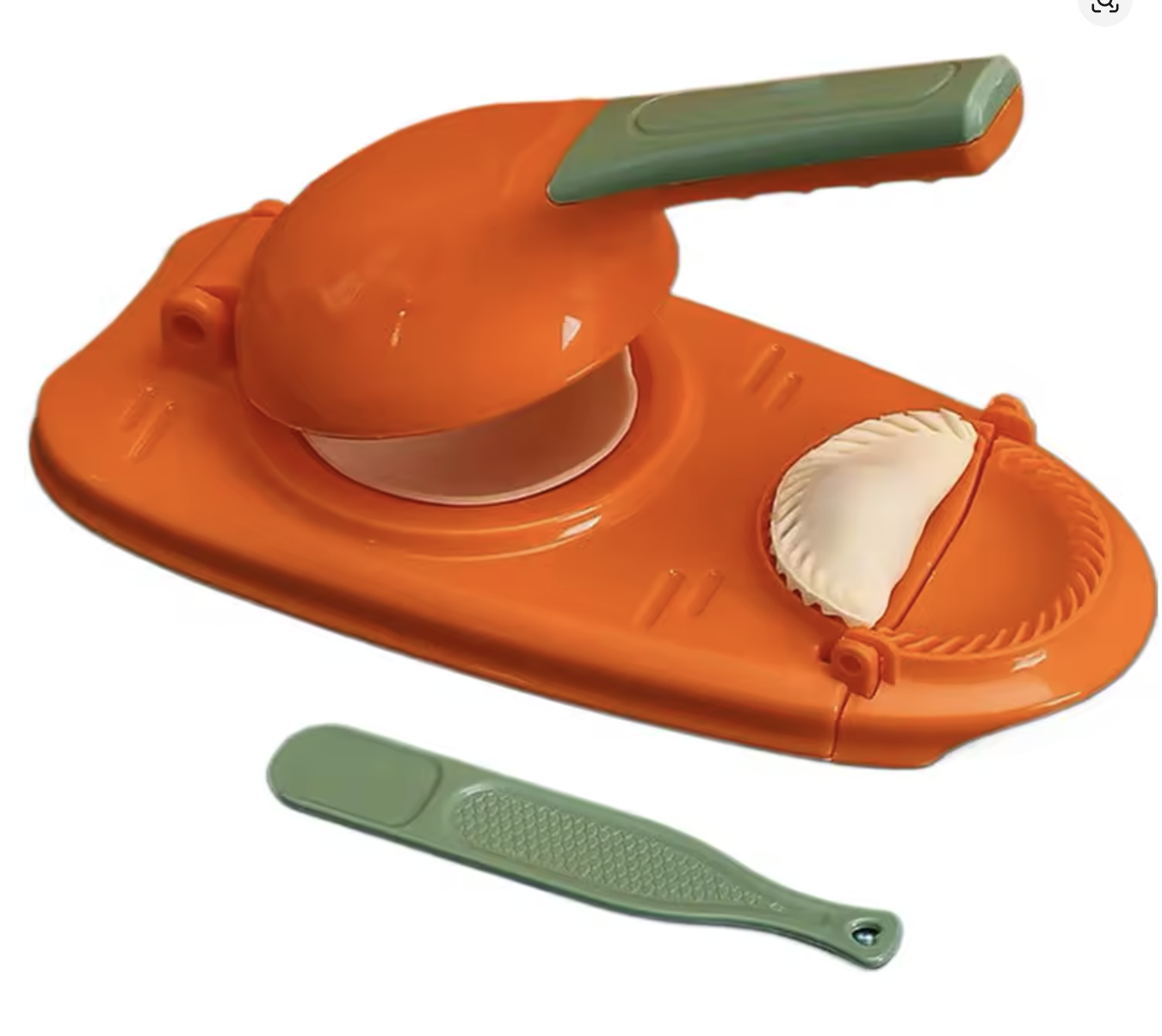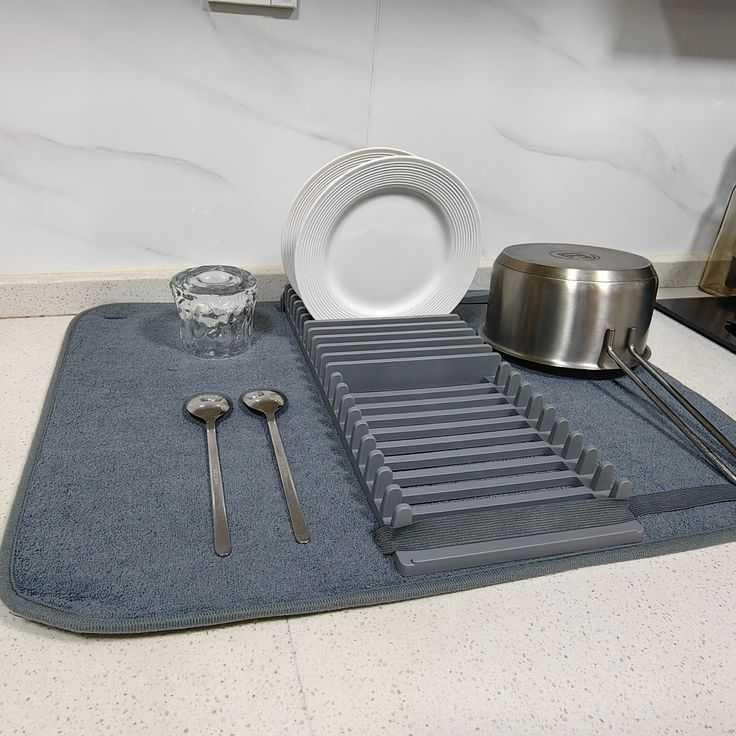
وسادة تجفيف الأطباق للمطبخ
وفر 27%! اشترِ وسادة تجفيف الأطباق للمطبخ بسعر 180.48 د.ل فقط في ليبيا. متوفر حا
🛒 تسوق الآن Libya Press
The United Nations Support Mission in Libya (UNSMIL) announced that the 4+4 mini-committee concluded its fifth round of consultations, agreeing to form a working group to prepare a final agreement for signing next week. The breakthrough marks the most significant progress yet in Libya's long-stalled political track.
In a statement from its Tunis office, UNSMIL said the meeting took place in a "positive and constructive atmosphere," with participants reaffirming their commitment to prior understandings. The working group, with UNSMIL support, will prepare the final text for the committee's next gathering.
The 4+4 mini-dialogue committee — comprising four members from each of Libya's key political institutions — was established under the UNSMIL-facilitated political roadmap announced in August 2025. It is tasked with agreeing on electoral laws and restructuring the High National Elections Commission (HNEC).
Earlier rounds addressed the parliamentary election law and HNEC board composition. During the fourth round in Tunis in late June, participants reached consensus on the presidential election law. The committee also agreed in Rome to recommend the Attorney General nominate a judicial figure "known for competence, integrity, and neutrality" to chair the HNEC — a critical step toward credible elections.
In a parallel track, the House of Representatives, High Council of State, and Presidential Council agreed in June on a roadmap setting February 17, 2027, as the deadline for simultaneous presidential and parliamentary elections, based on the 6+6 electoral laws and the 13th Constitutional Amendment.
Member of Parliament Rabia Bou Rass described the 4+4 agreements as a "historic opportunity for Libya's stability," emphasizing that success requires a comprehensive political settlement with binding guarantees.
The country remains politically divided between the Government of National Unity in the west and parallel authorities in the east. Disputes over candidate eligibility, the legal basis for elections, and security in key regions continue to pose risks.
During a recent visit by US Senior Adviser Massad Boulos, Presidential Council Head Mohamed Menfi rejected "any settlement based on limited understandings that could reproduce division." Community leaders in Misrata echoed similar concerns. Pakistan has also launched parallel mediation efforts between eastern and western Libya.
UNSMIL has consistently urged forming a unified government to lead the electoral process. In its June 30 statement, the mission said participants called for a "unified government to lead Libya toward elections." The mission's mandate extends through October 31, 2026, under Security Council Resolution 2796.
If signed, the 4+4 final agreement would consolidate the electoral legal framework and provide a clear timeline for HNEC restructuring. For Libyans, it represents the clearest signal in years that political actors are serious about ending the transitional cycle since 2011.
The agreement's success hinges on implementation guarantees and political will. The coming weeks will determine whether this momentum translates into actual elections or stalls once again.
— Libya Press / Politics Desk