
جهاز تنظيف الأسنان بالماء
وفر 23%! اشترِ جهاز تنظيف الأسنان بالماء بسعر 248 د.ل فقط في ليبيا. متوفر حالياً
🛒 تسوق الآن Libya Press
As the Hijri New Year arrives, Tunisian kitchens come alive with the aromas of moloukhiya and couscous — two dishes that have defined the North African nation's celebration of the Islamic calendar's first day for generations. More than just food, these meals carry deep cultural symbolism: moloukhiya represents greenery and prosperity for the year ahead, while couscous with dried meat (al-qaddid) honors a tradition dating back to the Fatimid era.
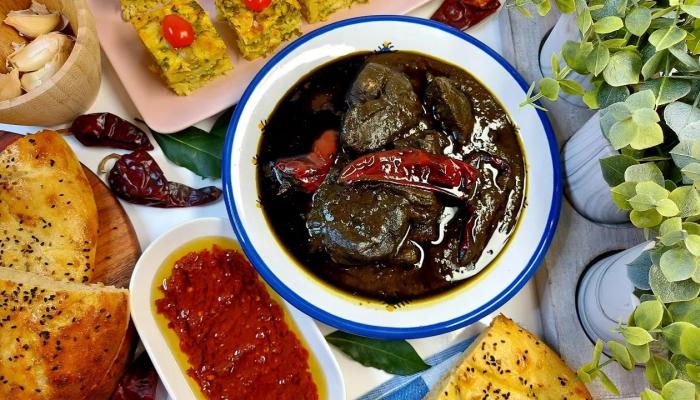
The celebration spans two days, each with its own culinary identity. On the evening before the new year — known as "Ras al-Aam al-Arabi" — families gather around steaming plates of couscous topped with dried meat, eggs, and traditional sweets served in clay vessels. The following day, the first of Muharram, moloukhiya takes center stage: a rich, green stew made from jute leaves slow-cooked with meat, its vibrant color symbolizing hope and renewal.
Moloukhiya is not an everyday meal in Tunisia — it is reserved for the Hijri New Year and a handful of other significant occasions. The dish requires careful preparation: dried jute leaves are rehydrated, then simmered for hours with lamb or beef until the broth turns thick and deeply green. Garlic and coriander are added at the end, creating a fragrance that fills entire neighborhoods.
Couscous with al-qaddid follows an equally precise ritual. The dried meat — salted and air-dried weeks in advance — is shredded and layered over fluffy couscous along with fava beans, hard-boiled eggs, and sometimes pumpkin. The dish is presented in a large clay bowl called a "kassaa," from which the entire family eats together.
On social media, Tunisians have been sharing their preparations with pride and nostalgia. "We cook moloukhiya so the year comes in green, God willing," wrote one Tunisian home cook on Facebook, echoing a sentiment shared by thousands. Another posted a video of her family's couscous preparation, captioning it: "The taste of old times, with family gathered around — this is what Ras al-Aam means to us."
Food historian Dr. Amel Ben Ali, a researcher at the Tunisian Institute of Heritage, explains: "These dishes are edible history. When a Tunisian family sits down to moloukhiya on the first of Muharram, they are participating in a ritual that connects them to their grandparents, their community, and centuries of shared identity. The recipe has barely changed — and that is precisely the point."
While Tunisia's Hijri food traditions are distinct in their specifics, the broader pattern resonates across the Maghreb and Libya. Libyan families also mark the Hijri New Year with special meals, and the cultural logic is the same: food as a vessel for hope, community, and continuity. Tunisian moloukhiya and couscous traditions offer a window into how North African societies use cuisine to anchor identity during moments of collective transition.
For Libyans, the parallels are particularly close. Libyan moloukhiya — prepared with a slightly different spice profile — appears on many of the same occasions. The shared culinary language across the region is a reminder that food traditions often cross borders more easily than political agreements.
As the new Hijri year begins, Tunisian kitchens will once again fill with the scent of simmering green stew and hand-rolled couscous — a tradition that no calendar change can diminish.
— LibyaPress / Women's Desk