
مصباح تخييم معلق قابل للشحن مقاوم للماء – 3 مستويات إضاءة
وفر 4%! اشترِ مصباح تخييم معلق قابل للشحن مقاوم للماء – 3 مستويات إضاءة بسعر 147
🛒 تسوق الآن Libya Press
Libya's Minister of Economy and Trade, Dr. Suhail Boushiha, met with the Libyan Business Owners Council in the Eastern Region on Tuesday, July 21, 2026, to discuss strengthening cooperation between the ministry and the private sector, alongside a series of regulatory reforms aimed at improving the investment climate across the country.
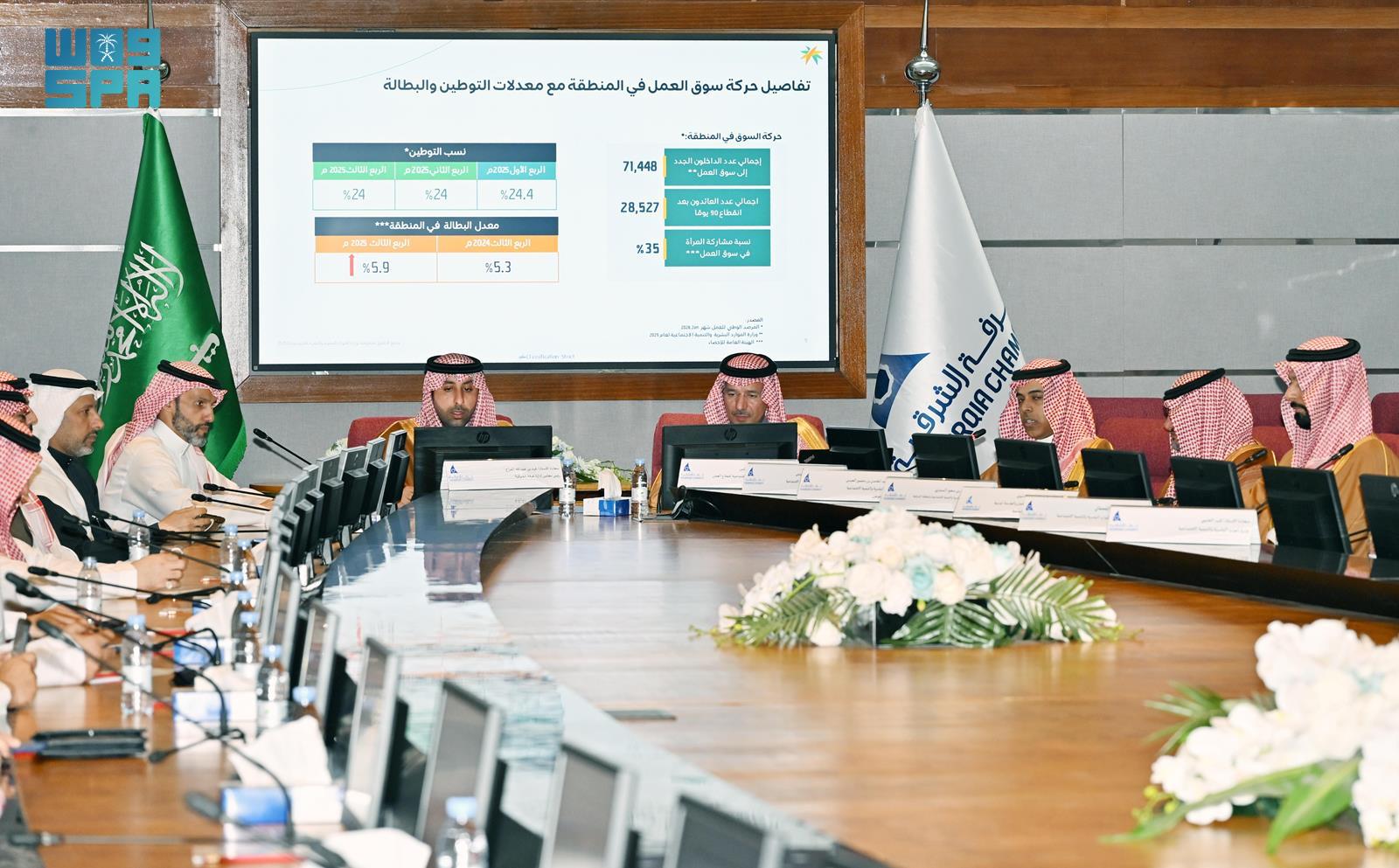
The meeting, attended by several council members and the Director of the Department of Studies and Economic Reforms at the ministry, focused on mechanisms to boost economic activity, stimulate investment, and enhance the role of the private sector in sustainable development, according to a statement released by the ministry.
Dr. Boushiha emphasized that the partnership between the public and private sectors represents a fundamental pillar for achieving sustainable economic development in Libya. He highlighted the need to increase the private sector's contribution to the gross domestic product (GDP), stimulate investment, create job opportunities, and support innovation and entrepreneurship across the country.
The minister stressed the importance of establishing a direct and permanent communication mechanism between the ministry and the Business Owners Council, allowing challenges and proposals to be conveyed more effectively. This institutional dialogue, he noted, would contribute to developing economic legislation and policies that meet the requirements of the current phase.
The meeting covered several regulatory decisions issued by the Cabinet and the Ministry of Economy and Trade, with three major reforms taking the spotlight:
The meeting addressed the role of the Business Owners Council in representing the business community in the Eastern Region and enhancing the private sector's contribution to economic development. Council members discussed supporting initiatives aimed at improving the investment and business environment across various sectors, particularly in light of the economic challenges facing the region.
The council's representatives highlighted the need for clearer regulatory frameworks and faster administrative procedures to unlock the potential of the private sector in the Eastern Region, which encompasses key commercial hubs including Benghazi, Tobruk, and Al-Bayda.
At the conclusion of the meeting, Dr. Boushiha reaffirmed the ministry's commitment to maintaining communication with private sector institutions, listening to their views and proposals, and working to develop legislative and regulatory frameworks that support investment. He stated that these efforts are essential to achieving the country's economic development targets and overcoming persistent structural challenges.
The meeting comes at a critical time for Libya's economy, as the Government of National Unity seeks to diversify revenue sources beyond the oil sector and encourage domestic and foreign investment in non-hydrocarbon industries. Strengthening the private sector is widely viewed as essential to creating sustainable employment for Libya's growing youth population and reducing the country's reliance on volatile oil revenues.
— Libya Press / Economy Desk