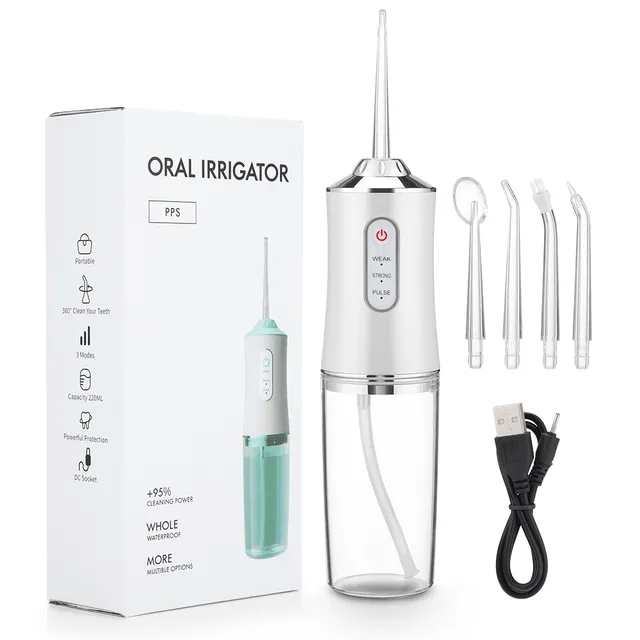
جهاز تنظيف الأسنان بالماء
وفر 48%! اشترِ جهاز تنظيف الأسنان بالماء بسعر 167.04 د.ل فقط في ليبيا. متوفر حال
🛒 تسوق الآن Libya Press
Libya faces an escalating environmental crisis threatening its water security, agriculture, and coastal communities. From Storm Daniel's devastation in Derna in September 2023 to creeping desertification across the south, the nation confronts multiple climate-driven challenges that compound existing political and economic difficulties. These environmental pressures are creating what experts describe as increasing ecological vulnerability across the country.
The United Nations Development Programme (UNDP) has supported Libya in accessing Global Environment Facility (GEF) funds for a USD 5.8 million project on "Integrated management for ecosystem restoration, sustainable land, and water management for enhanced climate action." This represents one of the largest international environmental investments in Libya in recent years. Additionally, Libya participates in the Biodiversity Finance Initiative (BIOFIN), which helps develop financing strategies for conservation efforts and sustainable resource management.
Libya is among the most water-scarce countries globally, relying heavily on the Great Man-Made River Project that transports fossil water from Saharan aquifers to coastal cities. However, this resource is finite and depleting. Climate projections show decreased rainfall and rising temperatures in coming decades, further straining water supplies. Over-extraction of groundwater, aging infrastructure, and drought threaten urban water access and agricultural productivity across the country.
Over 90% of Libya's population lives along its Mediterranean coastline, which faces increasing sea-level rise and erosion. Storm Daniel in 2023 demonstrated the deadly consequences when catastrophic flooding caused dam failures in Derna, resulting in thousands of casualties. The Ministry of Environment has prioritized coastal zone management, but current response capacity remains far below what is needed to protect against storm surges and erosion threatening coastal infrastructure.
An estimated 75% of Libya's territory is affected by land degradation, with desertification advancing steadily in Fezzan, Sabha, and Kufra. Overgrazing, unsustainable farming, and climate change have accelerated soil erosion and reduced rangeland productivity. UNDP-supported projects promote sustainable land management through improved irrigation, reforestation, and community-based resource management, though political instability limits large-scale implementation of these critical interventions.
Air pollution in Tripoli and Benghazi exceeds World Health Organization safety guidelines, driven by vehicle emissions, diesel generators, and uncontrolled industrial activity. Water pollution from untreated sewage and industrial waste contaminates groundwater and coastal waters, creating serious public health risks. The collapse of wastewater treatment infrastructure during conflict has made these environmental challenges significantly worse for urban populations.
The Libyan Ministry of Environment, working with UNDP and GEF, is developing integrated strategies linking climate action with sustainable development. Libya's participation in the UNFCCC and Convention on Biological Diversity provides access to technical assistance and funding. The Biodiversity Finance Initiative will help create sustainable conservation funding mechanisms, potentially unlocking additional resources from international climate funds.
Investing in environmental resilience is not merely an ecological choice for Libya — it is a survival imperative that will determine the country's ability to sustain its population, economy, and natural heritage for generations to come.
— Libya Press / Environment Desk