
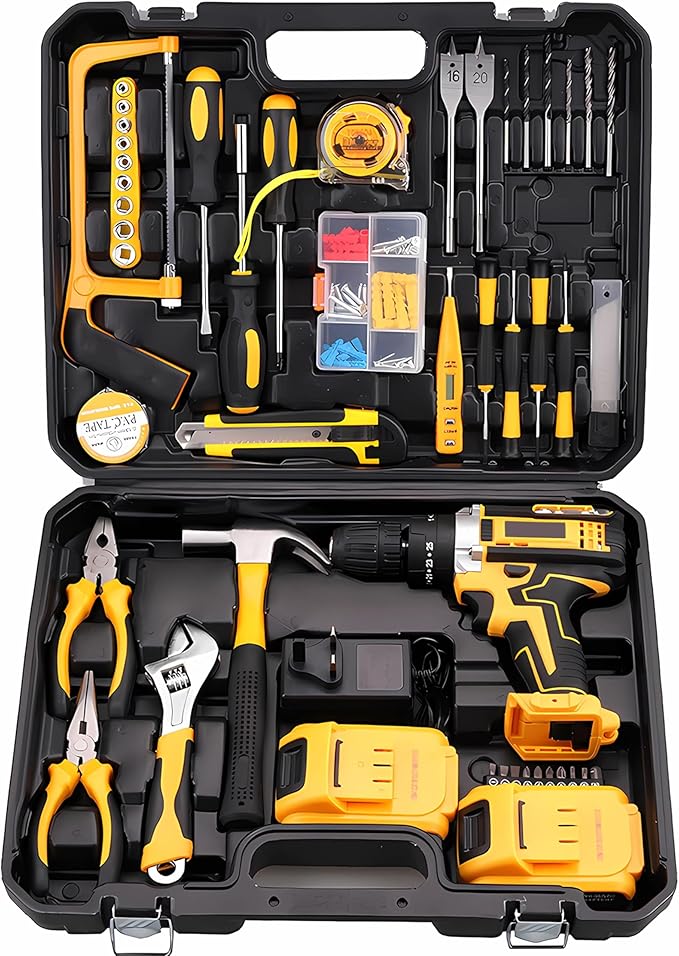
طقم أدوات كهربائية بقوة 48 فولت
وفر 7%! اشترِ طقم أدوات كهربائية بقوة 48 فولت بسعر 662.4 د.ل فقط في ليبيا. متوفر
🛒 تسوق الآن Libya Press
Over 120 private clinics across Libya face immediate regulatory scrutiny as the Interior and Health Ministries launch a joint compliance review starting today, following a WHO report identifying 34 facilities operating without valid licenses.
The joint inspection initiative, confirmed by Health Minister Dr. Najib al-Qadi and Interior Minister Dr. Fathi al-Gharyani in a joint statement issued on May 24, 2026, targets licensing violations, staffing standards, and medical waste management — issues flagged in a recent internal audit showing 41% of private clinics failed basic safety benchmarks.
The review follows a WHO-led assessment conducted in March 2026, which documented significant inconsistencies in service pricing, equipment standards, and personnel qualifications. According to the report, only 29 of 78 inspected clinics met minimum infection control protocols, while 22 operated beyond permitted scope — including unlicensed surgical procedures and radiology services.
The ministries have established a 30-day compliance window, after which non-compliant clinics will face fines up to 50,000 Libyan dinars and mandatory temporary suspension of operations. The Inspectorate General has deployed 18 regional inspection teams, each assigned to a specific governorate.
“Patients are being put at risk every day by clinics operating in legal gray zones,” said Dr. Huda al-Masri, a consultant epidemiologist at Tripoli Medical Center and member of the National Health Oversight Committee. “We’ve had three preventable outbreaks linked to sterilization failures in the past 18 months — all traceable to unlicensed facilities. This review isn’t bureaucratic — it’s a public health emergency response.”
Libya’s private health sector serves over 60% of outpatient visits nationally, according to the 2025 National Health Dashboard — making oversight critical for everyday citizens. A recent poll by the Libyan Center for Public Opinion found that 78% of respondents prioritize clinic regulation over new public hospital construction.
For families navigating fragmented healthcare infrastructure, regulatory clarity means safer care, fair pricing, and reduced out-of-pocket risks. The joint ministry initiative also aligns with Libya’s National Health Strategy 2026–2030, which identifies licensing standardization as a top-tier reform priority.
The Interior and Health Ministries will release weekly compliance dashboards starting June 1, 2026, listing inspected facilities, violations found, and corrective actions taken. Clinics can appeal violations through the newly formed Health Regulatory Appeals Board, which begins hearings on June 15.
Libyan patients are urged to verify clinic credentials via the official Ministry of Health portal — www.health.gov.ly/clinic-registry — and report suspicious operations through the 24/7 Health Watch hotline: 19888.
— LibyaPress / Health Desk