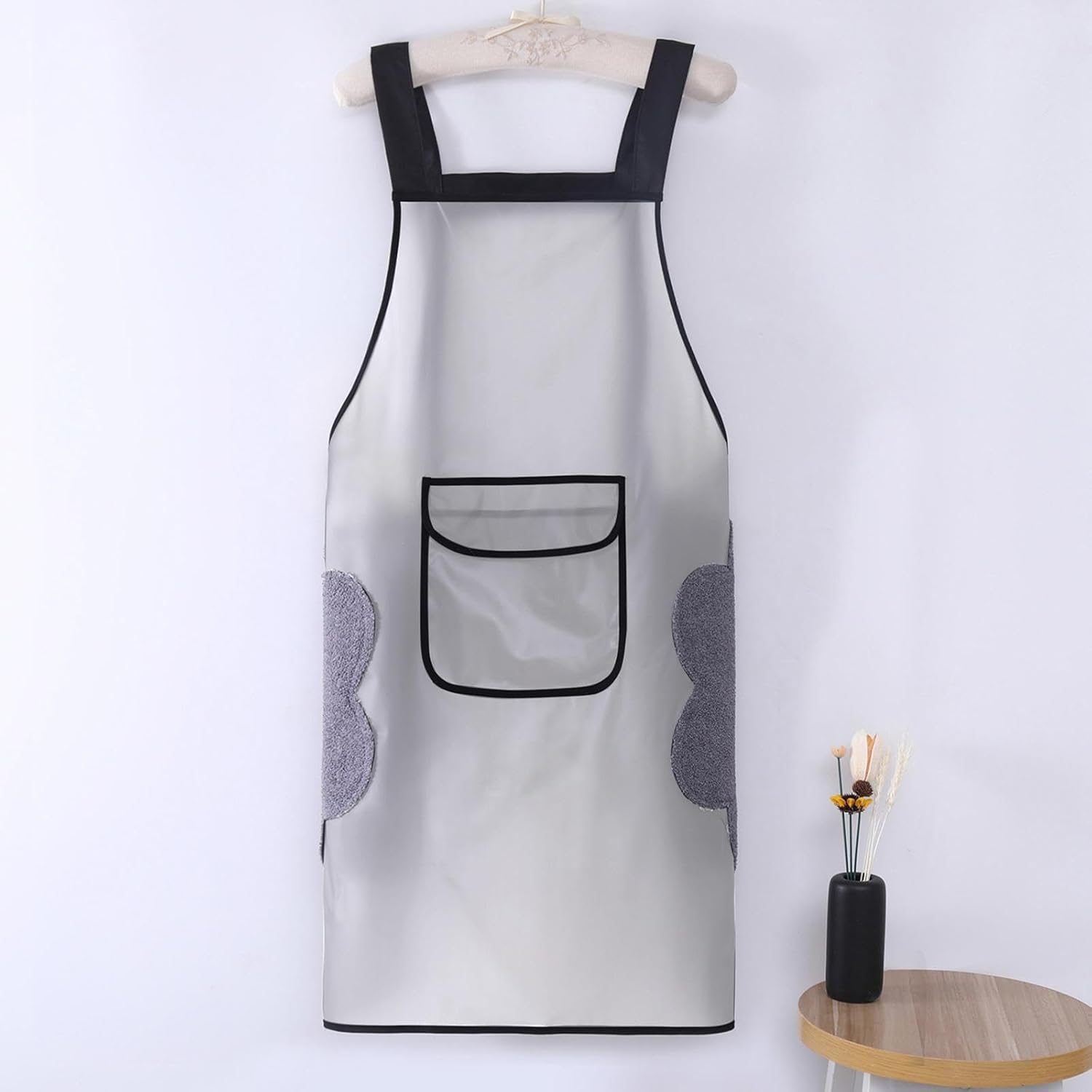
مريلة المطبخ الشفافة
وفر 23%! اشترِ مريلة المطبخ الشفافة بسعر 190.28 د.ل فقط في ليبيا. متوفر حالياً،
🛒 تسوق الآن Libya Press
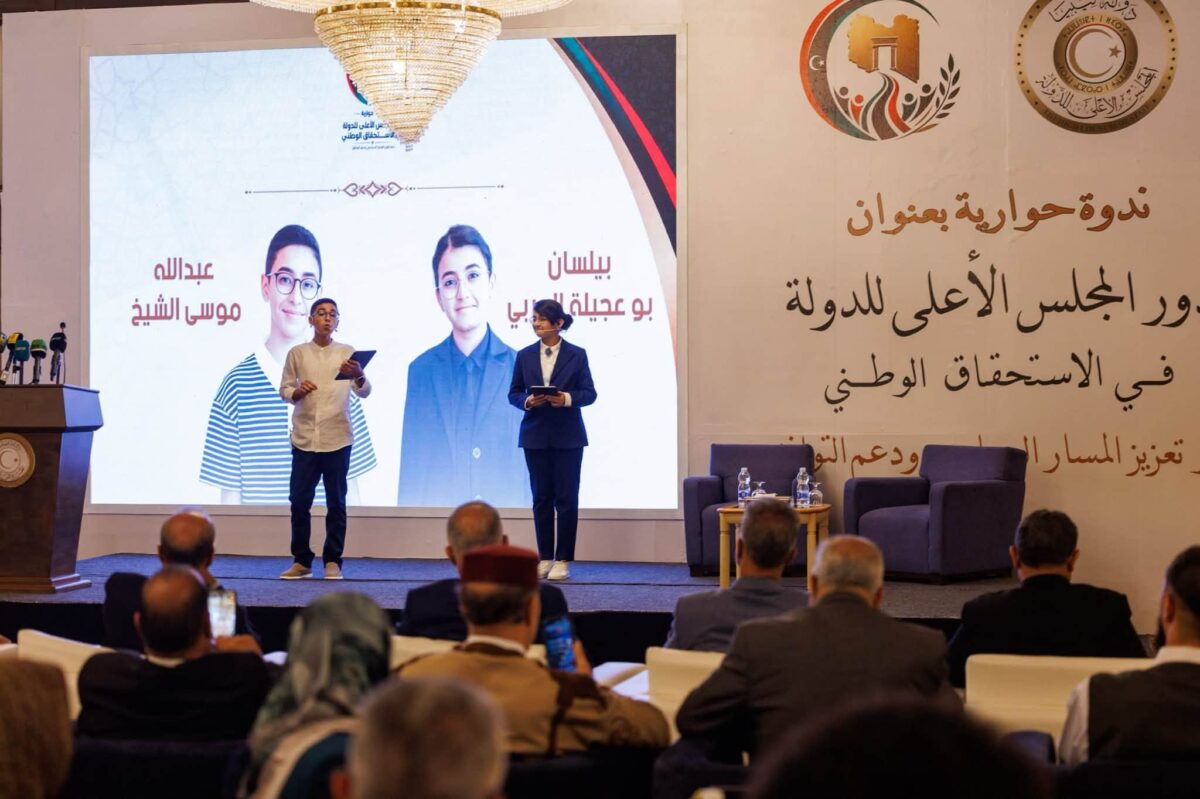
Libya's High State Council convened a major symposium on July 20, 2026, at the Mahari Hotel in Tripoli, bringing together political leaders, legal experts, and institutional representatives to discuss the national entitlement and strengthening the political path. The event, titled "The Role of the High State Council in the National Entitlement: Towards Strengthening the Political Path and Supporting Consensus," marked a pivotal moment in Libya's ongoing state-building process.
Presiding over the symposium was Dr. Mohamed Takala, Head of the High State Council, alongside First Deputy Hassan Habib, Second Deputy Musa Faraj, and Presidential Council member Abdullah al-Lafi. The gathering addressed critical questions about Libya's transitional phase and the legal mechanisms required to build a stable, functioning state after more than a decade of political fragmentation.
In his opening address, Dr. Mohamed Takala emphasized that the national entitlement represents a pivotal milestone in Libya's state-building path. He stressed that successful navigation of this phase requires national consensus, respect for the constitutional and legal framework, and integrated efforts among all state institutions working in harmony.
"The national entitlement cannot be reduced to a mere electoral appointment or a temporal deadline," Takala told attendees. "It is a comprehensive national path that demands institutional integration and a shared vision for Libya's future." His remarks underscored the council's firm position that constitutional legitimacy must precede and accompany any political process to ensure durable outcomes.
Presidential Council member Abdullah al-Lafi delivered a sobering assessment of the risks facing Libya's political transition. He warned explicitly against limiting the national entitlement to elections alone, arguing that Libya's experience has proven that elections — however important — cannot build a stable state in the absence of constitutional legitimacy or while division persists.
"What is required is a comprehensive national path that rebuilds trust between citizens and state institutions, and enhances harmony between constitutional legitimacy and political practice," al-Lafi stated. He called for accelerating the completion of the legal and constitutional framework for the transitional phase, describing it as essential for ensuring institutional stability and achieving the national entitlement.
Symposium participants issued a unified call to expedite the legal and constitutional framework governing the transitional period. The consensus was clear: a robust legal foundation is the cornerstone of any successful state-building project. Key priorities identified during the discussions included completing the constitutional declaration or permanent constitution, strengthening oversight institutions to ensure accountability and transparency, and building national consensus through inclusive dialogue representing all Libyan regions.
More than 15 years after the 2011 revolution, Libya continues to operate under an interim constitutional framework — the Constitutional Declaration of 2011, issued by the National Transitional Council. This prolonged transitional period has created legal ambiguities that complicate governance, economic development, and institutional reform. The symposium's focus on "legal rooting" of the state-building concept reflects a growing recognition that sustainable stability requires a solid legal architecture.
A central theme emerging from the symposium was the need for institutional integration rather than competition. Libya's various state bodies — the Presidential Council, High State Council, House of Representatives, judiciary, and oversight institutions — must work in complementary fashion rather than at cross-purposes to achieve national goals.
The High State Council's initiative to host this symposium signals its intention to play a proactive role in shaping the legal and political roadmap for Libya's future. By bringing together diverse voices within a structured dialogue framework, the council aims to build the broad-based consensus necessary for lasting political solutions.
Participants agreed that achieving the national entitlement requires urgent, concerted action from all stakeholders. The symposium's outcomes are expected to inform upcoming political consultations and potentially contribute to a revised roadmap for completing Libya's transitional period. The window of opportunity, speakers emphasized, requires decisive steps toward legal and institutional consolidation.
— Libya Press / Politics Desk