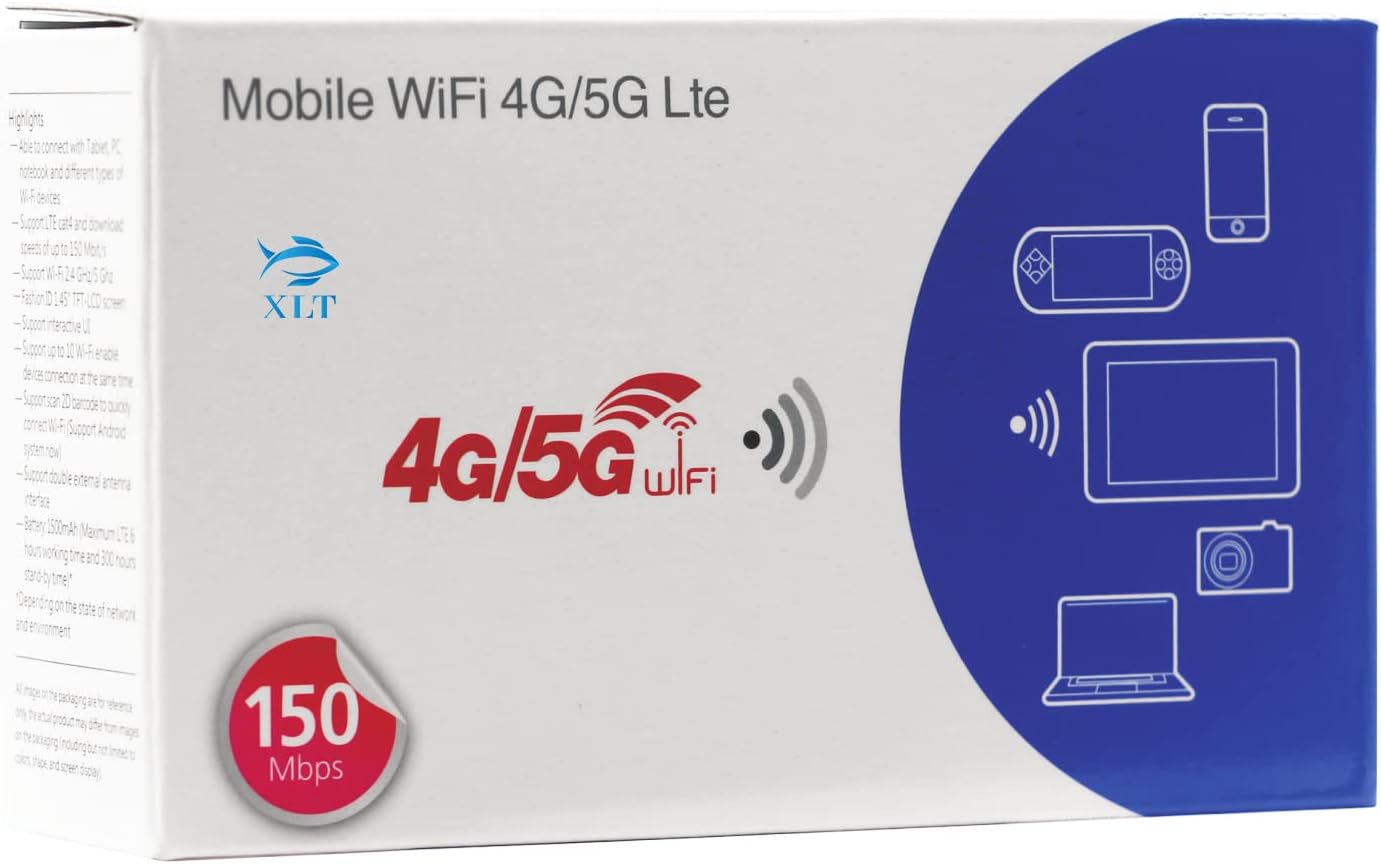
جهاز توجيه واي فاي محمول مزود بفتحة SIM
وفر 23%! اشترِ جهاز توجيه واي فاي محمول مزود بفتحة SIM بسعر 369 د.ل فقط في ليبيا
🛒 تسوق الآن Libya Press
Libya's Structured Dialogue concluded its final sessions on June 7, 2026, delivering more than 525 recommendations designed to pave the way for long-delayed national elections. The final plenary meeting in Tripoli brought together Libyan stakeholders from across the country's deep political divide, marking what UN officials called a "critical juncture" in the decade-long effort to reunify the nation's fractured institutions. The recommendations address three core objectives: enabling free and fair elections, unifying and strengthening state institutions, and tackling the root causes of Libya's protracted conflict.
Hanna Serwaa Tetteh, the UN Secretary-General's Special Representative and Head of the UN Support Mission in Libya (UNSMIL), delivered a sobering assessment to the Security Council this month. She warned that Libya's prolonged political stalemate, worsening economic conditions, and an emerging split within the judiciary pose mounting threats to the country's unity. Tetteh emphasized that while the nationwide ceasefire established in 2020 continues to hold — preventing a return to large-scale conflict — the surface stability masks a structurally unresolved political division that grows more dangerous with each passing month.
Behind the diplomatic language and institutional frameworks, ordinary Libyans bear the heaviest burden of the political deadlock. Economic deterioration has eroded living standards, with inflation, currency instability, and failing public services affecting millions. "The Libyan people have shown remarkable determination to participate in municipal elections even when national leaders cannot agree on a path forward," Tetteh told the Security Council. "It is time for the political class to match that courage." The UN envoy stressed that every month without progress deepens public distrust in state institutions and increases the risk of localized violence spiraling into broader conflict.
The 525 recommendations from the Structured Dialogue represent the most comprehensive roadmap for political resolution since the 2015 Libyan Political Agreement. Unlike previous initiatives, this process included direct participation from diverse Libyan factions — including representatives from the east, west, and south — lending it broader legitimacy. However, history offers cautionary lessons. The 2015 Skhirat Agreement and the 2020 ceasefire both generated optimism that ultimately faded without implementation. The critical question now is whether international pressure, combined with Libyan civil society's growing demand for accountability, can translate these recommendations into concrete action. The AU, EU, and UN have all signaled continued engagement, but sustained political will from Libyan leaders remains the essential missing ingredient.
The weeks ahead will be decisive. The Security Council is expected to review the Structured Dialogue's recommendations and consider next steps for UNSMIL's mandate. The African Union has pledged continued support through its High Representative Committee on Libya. Meanwhile, Libyan civil society organizations are mobilizing to hold their leaders accountable for implementing the dialogue's outcomes. The path forward demands compromise from all sides — and the recognition that Libya's 12 million citizens deserve the stable, unified governance that has eluded them for over a decade. The window for action is open, but it will not remain so indefinitely.
— LibyaPress / Politics Desk