
قناع الوجه المقشر والمنعم بالأعشاب
وفر 18%! اشترِ قناع الوجه المقشر والمنعم بالأعشاب بسعر 176.26 د.ل فقط في ليبيا.
🛒 تسوق الآن Libya Press
Libya's political scene has witnessed notable developments this week, with key meetings and landmark agreements pointing to renewed momentum in the country's long-stalled transition. From UN-mediated talks in Al-Qubbah to a historic consensus on a transitional roadmap in Cairo, Libyan stakeholders appear to be moving cautiously toward a more structured political process.
On July 9, Speaker of the House of Representatives Aguila Saleh met with UN Special Representative Hanna Tetteh and her deputy Stephanie Khoury in Al-Qubbah to discuss the latest political developments and ways to advance the political process. Saleh reaffirmed the House's commitment to achieving stability through a consensual democratic process and stressed the importance of supporting international efforts to create conditions for presidential and parliamentary elections.
Tetteh commended the role of the House of Representatives in advancing the political process and affirmed the UN's commitment to continued mediation to bridge differences between Libyan parties.
The Arab Parliament expressed strong support for the signing of a guiding principles document for the transitional roadmap by the heads of the House of Representatives, the Presidential Council, and the High Council of State. The Parliament noted that this agreement demonstrates the Libyan parties' capacity to overcome political differences and prioritize national interests, reflecting a genuine will to safeguard state sovereignty and enhance stability.
The Arab Parliament also lauded the adoption of a unified national budget as a milestone for fiscal stability and a catalyst for infrastructure investment and economic development. The unified budget comes amid increased international pressure on Libyan authorities to demonstrate fiscal transparency and commitment to economic reform.
In a related development, Aguila Saleh was elected President of the Asian-African Parliamentary Council, signaling Libya's growing diplomatic engagement across two continents.
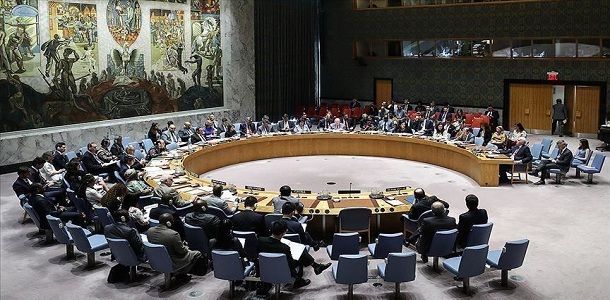
The momentum comes as the UN Security Council presses Libyan stakeholders to move beyond consultations and deliver concrete progress on elections, institutional unification, and security reform. UNSMIL Chief Hanna Tetteh noted that while the roadmap is advancing, it is "not where we would like" — emphasizing that the real test remains effective implementation and sustained political will.
The Libyan News Agency signed a cooperation agreement with Italy's Italpress in Palermo on July 8, enhancing media cooperation between the two countries. Meanwhile, the Ministry of Finance, the UN Resident Coordinator's Office, and UNDP held a high-level dialogue in Tripoli on sustainable financing for development.
The Arab Parliament also rejected proposals to resettle migrants or alter Libya's demographic fabric, demanding the withdrawal of all foreign forces and mercenaries — a longstanding Libyan demand that remains central to political discussions.
While recent developments point to a reinvigorated political track, significant challenges remain. Institutional division, foreign forces, and the lack of a finalized electoral framework continue to pose substantial hurdles. The difference between past failed initiatives and current momentum will depend on Libyan stakeholders' ability to translate political consensus into concrete actions, particularly on the electoral track.
— Libya Press / Politics Desk