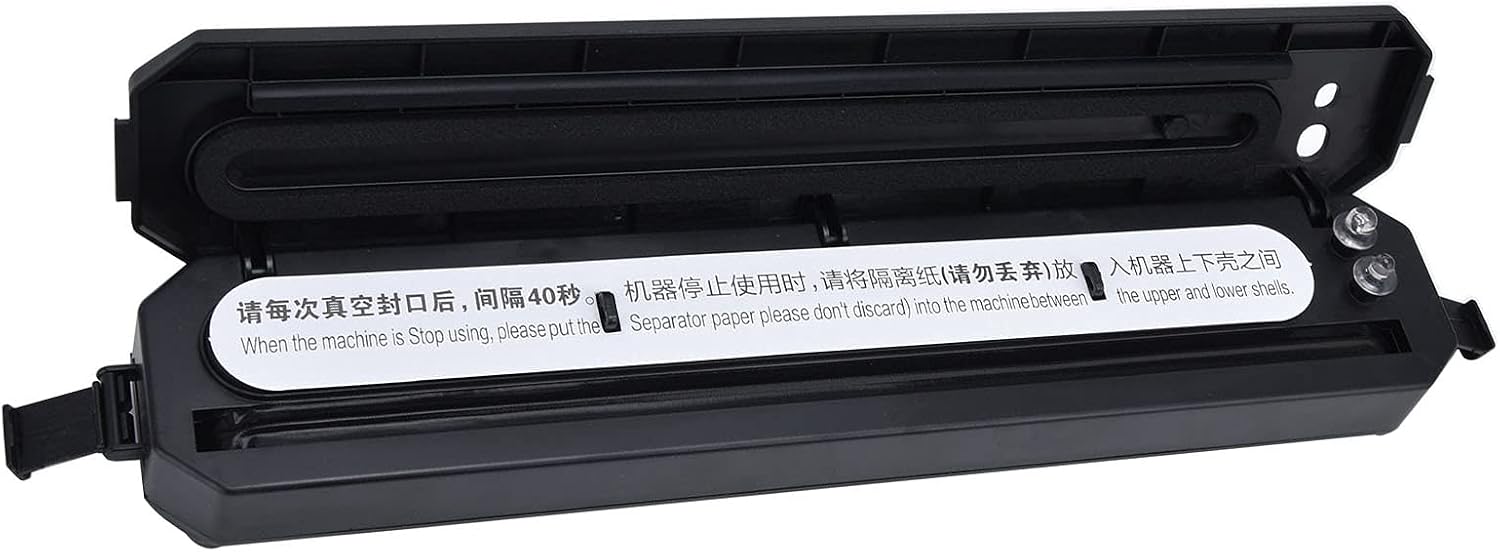
ماكينة التغليف بالتفريغ
وفر 4%! اشترِ ماكينة التغليف بالتفريغ بسعر 306.63 د.ل فقط في ليبيا. متوفر حالياً
🛒 تسوق الآن Libya Press
Libya's political landscape remains deeply fractured as two rival approaches to resolving the decade-long crisis compete for legitimacy. On one side stands the United Nations-led procedural roadmap, endorsed by the Arab League and backed by the Security Council. On the other, a US-backed pragmatic track that prioritizes fast results over step-by-step negotiations. This dual-track dynamic is creating confusion, delaying elections, and deepening institutional mistrust among Libyans.
The United Nations Support Mission in Libya has long championed a structured roadmap built on sequenced milestones constitutional reform, security sector unification, economic transparency, and national elections. In August 2025, the Arab League formally endorsed this UN-led roadmap, giving it crucial regional backing. The Security Council broadly agreed on the steps toward peace and stability.
However, implementation has been slow. The Security Council acknowledged that while the framework is sound, the "real test will be effective implementation, sustained political will and a decisive break from the status quo." Nearly a year on, key benchmarks remain unmet.
Parallel to the UN process, the United States has advanced a more pragmatic track focused on delivering tangible results quickly — direct talks with Libyan stakeholders, economic incentives, and a push for accelerated elections. While this approach has gained traction with factions frustrated by stalled negotiations, critics argue it undermines the UN-led process and creates competing mediation centers.
According to Libya Tribune and regional outlets, this competition has exacerbated political fragmentation. Libyan officials have expressed concern that external powers pursue their own agendas rather than coordinating a unified international strategy.
Rising mistrust is complicating the picture. Allegations of political overreach by international actors, combined with controversial policies on migrant settlement in Libya, have weakened the UN's role as impartial mediator. Many Libyans feel the political process has disconnected from their daily realities — unemployment, inflation, and basic services remain urgent while elites argue over process.
Opinion polls by independent Libyan researchers show over 70% of Libyans view the political class as disconnected from public needs. This erosion of trust threatens any roadmap, regardless of which framework is adopted.
Security Council discussions have emphasized that institutional reunification and security sector reform are prerequisites for lasting peace. Libya remains divided between rival military commands in east and west, with armed groups wielding significant influence over political outcomes. Any roadmap that fails to address security sector integration risks collapse at the first major test.
Analysts note that the 2020 ceasefire agreement, while largely holding, has not translated into meaningful military unification. Parallel defense institutions continue to operate, and militia influence over state institutions remains a major obstacle.
Economic governance is another critical front. The equitable distribution of Libya's oil revenues has been a persistent source of tension. The UN roadmap calls for greater transparency in the Central Bank of Libya's operations and a unified budget process. Recent international efforts to support economic reform have shown limited progress, hampered by political divisions and institutional rivalries.
Without transparent governance, confidence in any political process will remain elusive. The Libyan people, who have endured years of instability, deserve a roadmap that delivers not just elections but tangible improvements in their quality of life.
As Libya approaches another critical juncture, the question remains: which way forward? The Security Council has made clear that the international community expects Libyans to own their political process. External mediation can provide frameworks, but only Libyan political will can break the cycle of deadlock.
Whether through the UN-led procedural roadmap or a more pragmatic track, the goal remains the same: free and fair elections producing a unified government capable of addressing Libya's challenges. The coming months will reveal whether the competing tracks can converge — or whether Libya's political roadmaps will remain maps without a destination.
— Libya Press / Politics Desk