
شاشة سيارة لاسلكية
وفر 27%! اشترِ شاشة سيارة لاسلكية بسعر 1065.6 د.ل فقط في ليبيا. متوفر حالياً، ال
🛒 تسوق الآن Libya Press
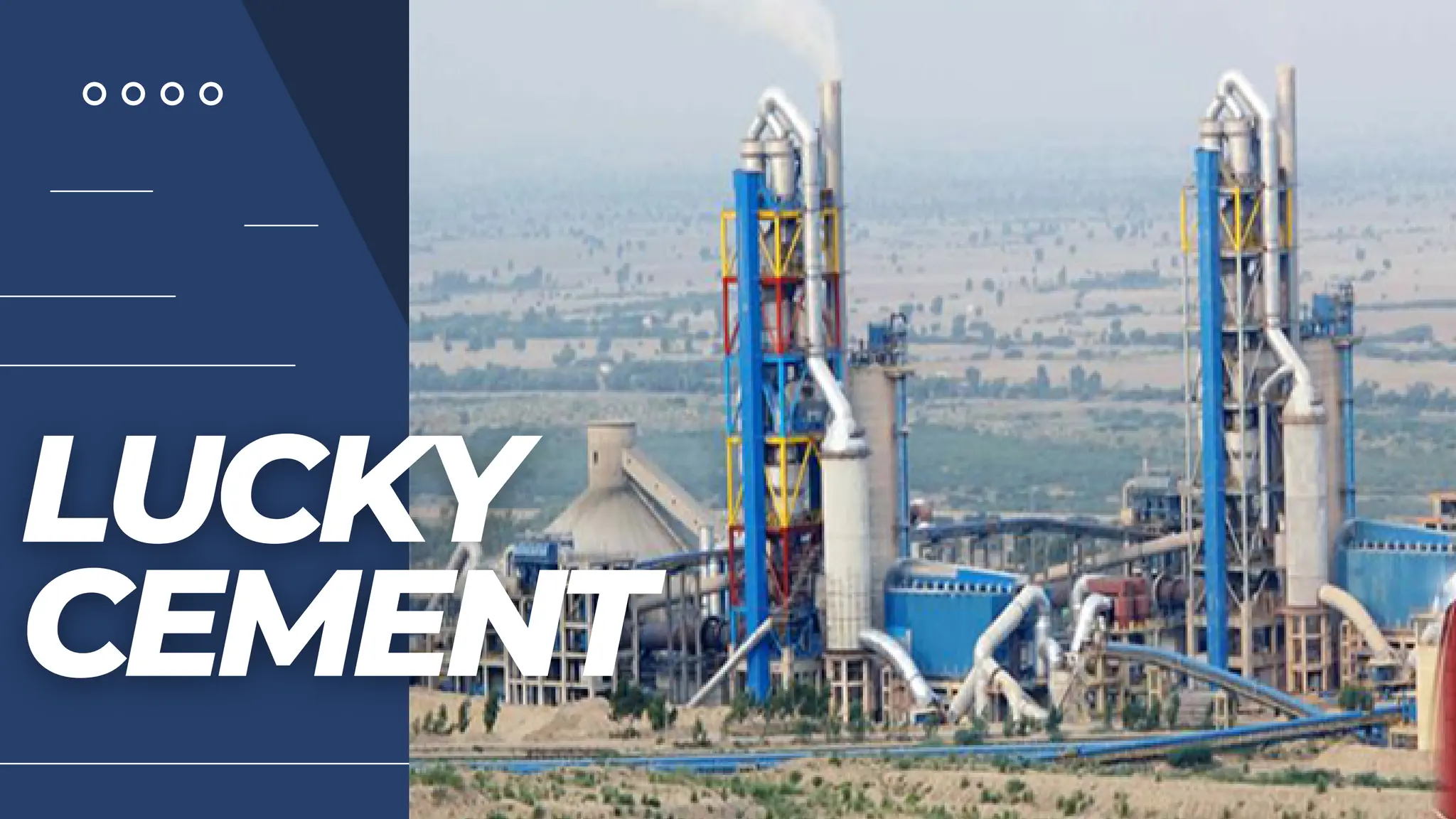
Pakistan’s Lucky Cement is currently engaged in high-level strategic discussions with Libya’s Privatisation and Investment Board (PIB) to establish a state-of-the-art cement production facility in the city of Khoms. The proposed project aims to build a plant with an impressive capacity of 2.5 million tons of cement per year. This initiative represents a critical turning point for Libya's industrial strategy, moving the nation closer to self-sufficiency in building materials and drastically reducing the reliance on expensive foreign imports.
The proposed investment is a cornerstone of the Libyan government's wider economic vision to attract high-value Foreign Direct Investment (FDI) into the heavy industry sector. By partnering with Lucky Cement—a global powerhouse known for its efficiency and scale—the PIB is not just seeking capital, but the transfer of cutting-edge industrial technology and operational expertise.
The selection of Khoms as the site for this facility is far from accidental. The city is historically recognized as a vital industrial hub and is home to the established Lebda Cement Factory. Its proximity to major transportation arteries and deep-water port facilities makes it the ideal logistics center for distributing cement across the North African coast and the interior of Libya.
The introduction of a 2.5 million ton annual capacity plant is expected to create a positive shock in the Libyan cement market, which has historically suffered from severe supply chain volatility and price spikes. The economic ripple effects will be felt across several dimensions:
This industrial venture aligns perfectly with the current mandates of the Ministry of Industry and Minerals. The Ministry has been working tirelessly to implement a new regulatory framework that encourages the adoption of "green" industrial practices. Lucky Cement is expected to integrate carbon-capture technologies and energy-efficient kilns to ensure that the plant meets modern international environmental standards.
Furthermore, economic analysts suggest that the success of this project will serve as a "proof of concept" for other global industrial players. If Lucky Cement successfully scales its operations in Khoms, it could trigger a wave of similar investments in steel, chemicals, and ceramics, further diversifying the Libyan economy and reducing its dangerous over-reliance on oil exports.
As the negotiations between the PIB and Lucky Cement reach their final stages, the project is increasingly viewed as a beacon of industrial hope. It is not merely about producing cement; it is about reclaiming industrial sovereignty. If realized, the Khoms facility will not only serve Libya but could potentially export surplus capacity to neighboring markets, turning Libya into a regional exporter of building materials.
The realization of this plant would signal to the world that Libya is open for business, stable enough for multi-million dollar industrial bets, and committed to a future built on tangible production rather than just resource extraction.
— Libya Press / Economy Desk