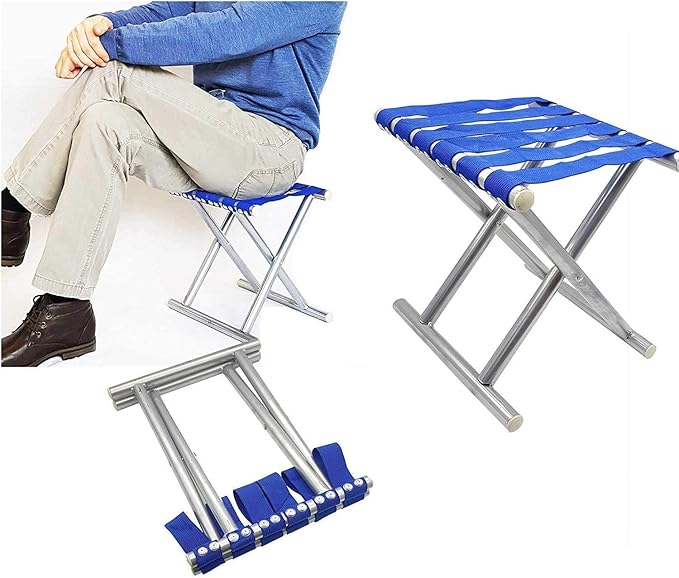

جهاز ترطيب مزود بمصباح طارد للبعوض
وفر 14%! اشترِ جهاز ترطيب مزود بمصباح طارد للبعوض بسعر 207.94 د.ل فقط في ليبيا.
🛒 تسوق الآن Libya Press
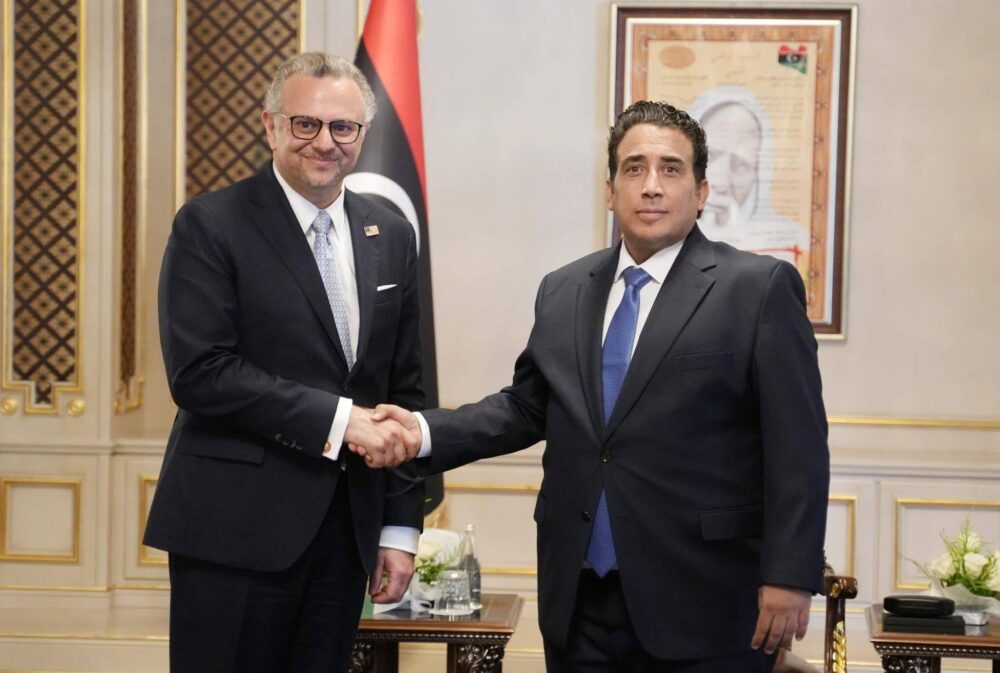
Senior Advisor to US President Donald Trump on Arab and African Affairs, Massad Boulos, confirmed that representatives from eastern and western Libya have set aside their differences for the sake of the nation, citing tangible progress in negotiations between the two sides. In written responses to Asharq Al-Awsat, Boulos described the developments as evidence of a genuine Libyan desire to reach solutions that strengthen national unity and stability.
Boulos highlighted that US diplomatic efforts in Libya have yielded gradual yet measurable improvement since July 2025, marking a turning point in international engagement with the Libyan file. "What we are witnessing is a real commitment from Libyans across the divide to prioritize their country's future," he stated.
Among the most significant achievements cited by Boulos are the unified development program, the approval of a unified national budget, and the historic gathering of military forces from both eastern and western Libya in Sirte to participate in the Flintlock 26 exercises. These steps, he explained, are building crucial trust between military formations that have long operated under divided command structures.
Flintlock 26, a special operations forces exercise led by US Africa Command (AFRICOM), provided a rare platform for Libyan military personnel from across the country to train side by side. Boulos emphasized that such confidence-building measures lay the groundwork for broader security sector reform and eventual military unification.
The US presidential advisor called for continued progress toward establishing unified governance between eastern and western Libya. He stressed that unity is the foundation of legitimacy and essential for the holding of democratic elections. "Any successful political initiative must be inclusive," Boulos said, "encompassing all Libyan components, regions, and institutions."
Boulos reaffirmed Washington's support for the roadmap led by the United Nations Support Mission in Libya (UNSMIL) and highlighted close coordination with UN Special Representative Hanna Tetteh. He emphasized that the US role complements the UN process rather than replacing it, and insisted that the future of Libya must be determined by Libyans themselves. The final details of any agreement concerning the unification of Libyan institutions, he noted, remain solely the prerogative of the Libyan people.
Addressing claims that the US initiative in Libya is driven by international competition with Russia or China, Boulos categorically denied such assertions. "The goal is to support a unified Libya capable of strengthening its stability, protecting its sovereignty, and expanding its economic opportunities," he stated. He reaffirmed that Washington's engagement is focused on Libyan interests rather than great-power rivalry.
Turning to economic matters, Boulos affirmed that the United States' interest in Libya's oil sector extends beyond ensuring energy flow to the global market. He emphasized the importance of supporting the Libyan economy more broadly, pointing out that improved revenue management and resource allocation contribute to creating conditions for lasting peace and stability.
He noted that developments in the oil sector, particularly the efforts of the National Oil Corporation (NOC), have increased interest from global American companies in investing in Libya. These opportunities include developing existing fields and opening new avenues for exploration, potentially bringing US capital and technical expertise to Libya's energy sector.
Regarding his recent visit to Misrata, Boulos said he met with the Council of Elders and elected municipal leaders. He emphasized that their perspectives are of great importance in supporting the success of municipal elections and achieving a stable and unified Libya. The visit underscored Washington's strategy of engaging directly with local Libyan communities rather than limiting dialogue to national-level political actors.
Boulos concluded by affirming the United States' commitment to continuing communication with all Libyans across various regions to support a Libyan-led political process. The objective remains clear, he said: achieving lasting stability and building unified institutions that serve all Libyans.
— Libya Press / Politics Desk