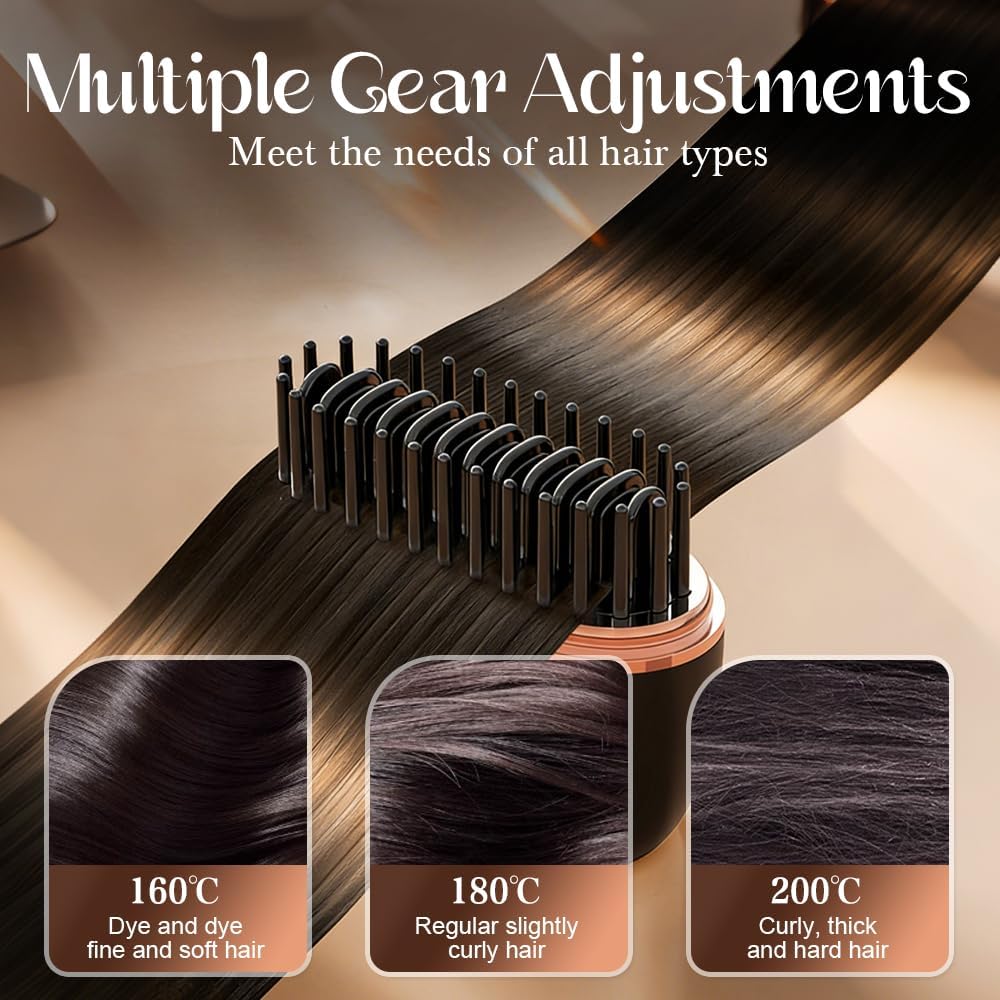
مكواة شعر صغيرة لاسلكية
وفر 9%! اشترِ مكواة شعر صغيرة لاسلكية بسعر 316.8 د.ل فقط في ليبيا. متوفر حالياً،
🛒 تسوق الآن Libya Press
The middle east and north africa region entered 2026 with 9 significant diplomatic shifts that are redrawing political alliances across an area spanning from the Atlantic coast to the Arabian Gulf. These changes carry direct consequences for Libya, Egypt, Algeria, and every nation in between.
According to analysis published by The Guardian, the region's political landscape is undergoing its most consequential transformation since the post-World War II era of decolonization. British-French supremacy, which defined the middle east and north africa for three decades from 1914 to 1945, has given way to a multipolar competition involving regional powers, global actors, and non-state movements.
The middle east and north Africa has no single standardized definition. The term typically includes countries such as Algeria, Bahrain, Egypt, Iraq, Israel, Jordan, Kuwait, Lebanon, Libya, Morocco, Oman, Qatar, Saudi Arabia, Syria, Tunisia, the UAE, and Yemen. Each nation carries distinct colonial legacies that continue to shape its foreign policy.
J.C. Hurewitz's landmark volume, The Middle East and North Africa in World Politics: A Documentary Record, remains a foundational reference for understanding how British and French dominance structured the region's borders, institutions, and political economies between 1914 and 1945. That institutional architecture is now being challenged by a new generation of leaders and movements.
Leading scholars who contributed to the volume Government and Politics of the Middle East and North Africa emphasize that historical trajectories and political institutions remain the key lenses through which current changes must be understood. The fully revised chapters examine how colonial-era borders interact with modern pressures including demographic shifts, climate stress, and digital connectivity.
North Africa's role is particularly significant. Countries like Libya, Algeria, and Tunisia sit at the intersection of Mediterranean security, sub-Saharan migration, and Gulf investment flows. Their political decisions ripple far beyond their borders.
For Libya specifically, the shifting dynamics in the middle east and north africa present both opportunity and risk. As regional powers compete for influence, Libya's strategic position on the Mediterranean coast and its substantial oil reserves make it a focal point for external engagement.
Libyan political actors are watching closely as Egypt, Algeria, and Tunisia pursue independent foreign policies that diverge from traditional patronage networks. The outcome of Libya's own reconciliation process will depend partly on which regional alignment emerges dominant in 2026 and beyond.
Citizens across north Africa are demanding greater economic participation and governance transparency. The demographic reality that over 60% of the region's population is under 30 creates pressure that no government can ignore indefinitely.
The middle east and north africa region in 2026 is defined by possibility. Diplomatic realignments that began this year could produce more representative governance, diversified economies, and stronger regional cooperation. The nations that invest in institutions, education, and inclusive politics will shape the next chapter of this historically pivotal region.
For Libya, the path forward requires balancing external partnerships with domestic unity. The region is watching — and so are the Libyan people.
— LibyaPress / Politics Desk
===END_ENGLISH===