
كوب قهوة بغطاء
وفر 41%! اشترِ كوب قهوة بغطاء بسعر 158.02 د.ل فقط في ليبيا. متوفر حالياً، الدفع
🛒 تسوق الآن Libya Press
Middle Eastern home cooking is taking the culinary world by storm, with over 3,000 stock images of Middle Eastern women cooking now available on platforms like Shutterstock alone. From the aromatic spices of Lebanese cuisine to the hearty stews of the Gulf region, home cooks everywhere are discovering that authentic Middle Eastern dishes are simpler to prepare than they ever imagined. Whether you are a beginner or an experienced cook, these time-tested recipes bring families together around the dinner table.
Middle Eastern cuisine is built on centuries of tradition, passed down through generations of home cooks who understood that great food does not require complicated techniques. According to Simply by Maha, a popular recipe platform, the philosophy is straightforward: "Easy homemade recipes by Maha — simple, delicious food anyone can make." This approach has resonated with millions of home cooks who want authentic flavors without spending hours in the kitchen.
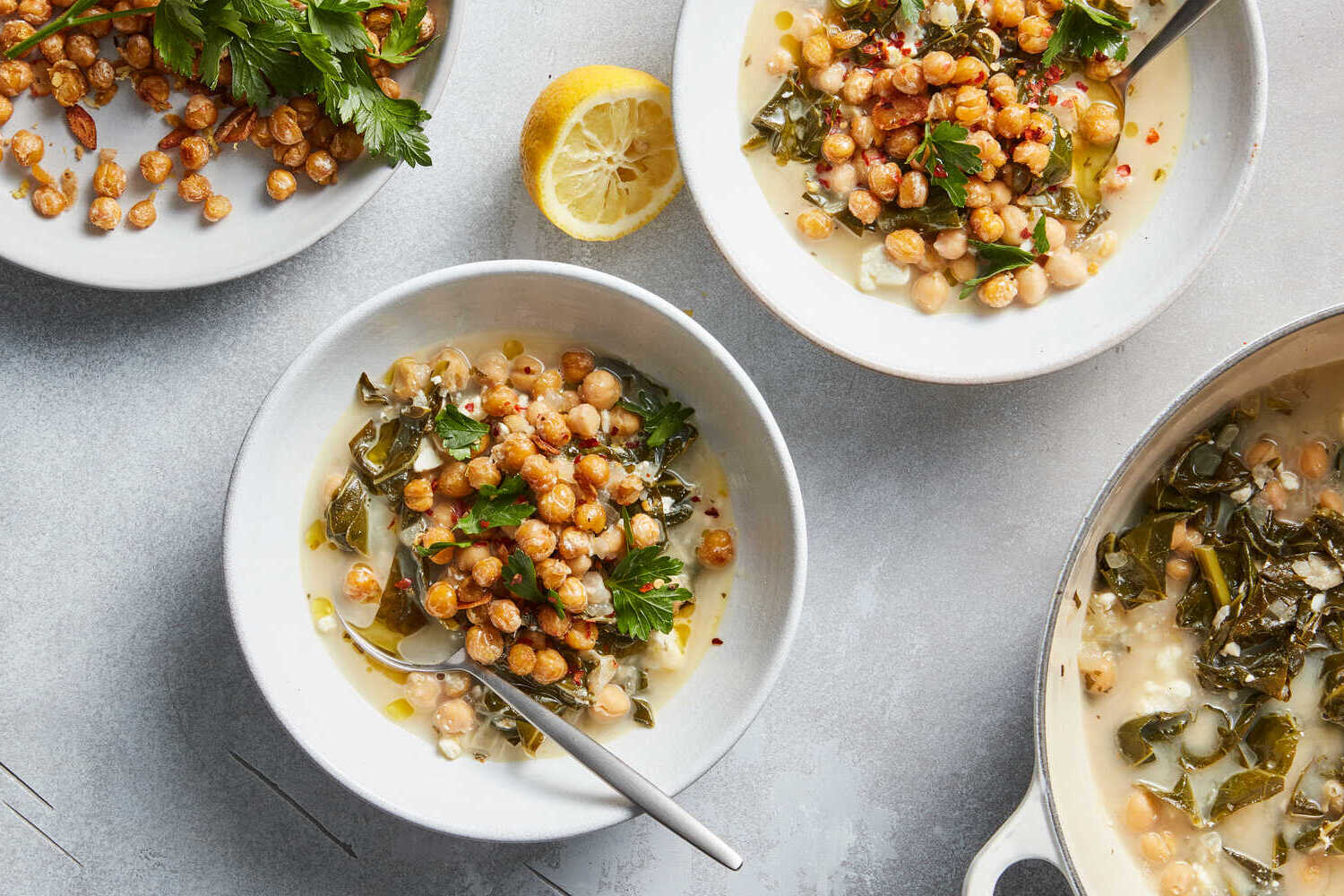
The cuisine relies on a core set of ingredients that are accessible and affordable: olive oil, garlic, lemon, tahini, chickpeas, fresh herbs, and warm spices like cumin, coriander, sumac, and za'atar. These ingredients form the backbone of hundreds of dishes across Lebanon, Palestine, Jordan, Egypt, Syria, and the Gulf states. Hadia's Lebanese Cuisine blog, which launched in October 2024, captures this spirit perfectly by sharing "love and passion for Lebanese, Middle Eastern and Mediterranean food" rooted in family tradition.
One passionate home cook who grew up with an Egyptian father and traveled extensively throughout the Middle East as a child shared her perspective: "Growing up with an Egyptian father who loved to cook and traveling throughout the Middle East as a child, I have a deep love for these flavors." Her story reflects what millions of home cooks experience — Middle Eastern food is not just about sustenance, it is about memory, family, and cultural identity. Every dish tells a story of the hands that prepared it and the table where it was shared.
For Libyan home cooks, Middle Eastern cuisine is not foreign — it is family. Libyan food shares deep roots with Egyptian, Tunisian, and broader Arab culinary traditions. Dishes like bazin, couscous, and harira connect Libya directly to the wider Middle Eastern and North African food heritage. The growing global interest in Middle Eastern home cooking gives Libyan cooks a chance to share their own rich traditions with the world. Platforms like Simply by Maha and Hadia's Lebanese Cuisine are proof that authentic home cooking content resonates across borders, and Libyan recipes deserve the same spotlight.
You do not need professional training or expensive equipment to cook authentic Middle Eastern meals at home. Start with one simple recipe — perhaps a bowl of hummus or a plate of tabbouleh — and build your confidence from there. The beauty of Middle Eastern home cooking lies in its generosity: every dish is meant to be shared, every meal is an invitation to gather. Open your kitchen to these timeless flavors and discover why millions of home cooks around the world have already made Middle Eastern cuisine a permanent part of their weekly menu.
— LibyaPress / Women's Desk