
كوب قهوة بغطاء
وفر 41%! اشترِ كوب قهوة بغطاء بسعر 158.02 د.ل فقط في ليبيا. متوفر حالياً، الدفع
🛒 تسوق الآن Libya Press
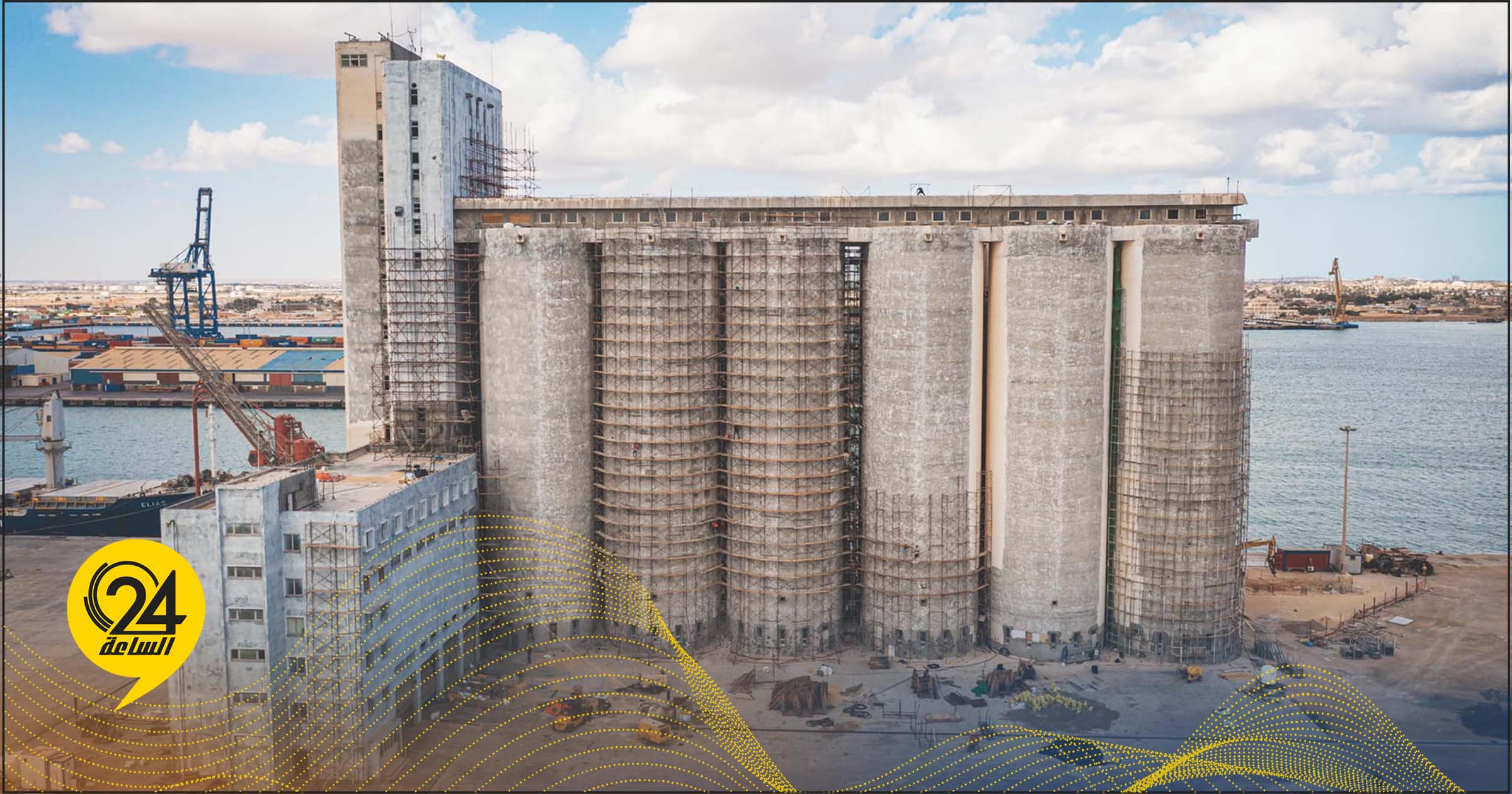
The Misrata Free Zone has launched trial operations for its grain silo control system renewal project, marking the first activation of the facility in over 15 years. The move is expected to bolster Libya's grain storage capacity and strengthen food security along the country's central coast.
Officials at the Misrata Free Zone confirmed that testing and commissioning procedures have begun for the upgraded control system at the port's grain silo complex. The development paves the way for the silos to resume receiving and storing grain shipments — a function that has remained dormant since the early 2010s.
The grain silos at the Misrata Free Zone port have been out of service since disruptions tied to the 2011 conflict and subsequent instability. Their deterioration created a critical gap in Libya's grain storage infrastructure, forcing importers to rely on smaller, decentralized facilities or costly emergency storage measures.
According to local reports from Al Marsad and Al Wasat, the renewal project focuses on modernizing the silo control systems, bringing them up to current operational standards. The trial phase includes comprehensive testing of all mechanical and electronic systems before full commercial operations can resume.
Misrata's free zone is one of Libya's most important commercial and industrial hubs, serving as a primary gateway for imports including foodstuffs, construction materials, and machinery. Reactivating the grain silos is expected to:
The free zone's location along Libya's northwestern coast makes it an ideal transit point for grain imports, with direct access to major domestic consumption centers in Tripoli, Misrata, and the surrounding agricultural regions.
Libya imports the vast majority of its grain needs, with wheat and barley forming the backbone of the national diet. According to data from the Food and Agriculture Organization (FAO), Libya imports over 90 percent of its cereal requirements, making adequate storage infrastructure a national security priority.
The lack of functional large-scale silos has been a persistent vulnerability in Libya's food supply chain. Port congestion, spoilage, and inefficient logistics have repeatedly driven up bread and flour prices. The Misrata silo reactivation addresses one of the most critical bottlenecks in the country's grain import pipeline.
The ongoing trial phase will determine the timeline for full commercial operations. If successful, the facility could begin receiving commercial grain shipments within weeks. The Misrata Free Zone management has indicated that additional modernization phases may follow, potentially expanding overall storage capacity.
Industry observers note that similar silo rehabilitation projects could be replicated at other Libyan ports, including Tripoli and Benghazi, should the Misrata model prove successful. The project represents a rare example of critical infrastructure being restored after years of neglect — a model that could be replicated across Libya's battered public works sector.
For now, the successful commissioning of the control system marks the most significant step toward bringing the silos back online since they went dark more than a decade and a half ago.
— Libya Press / Economy Desk