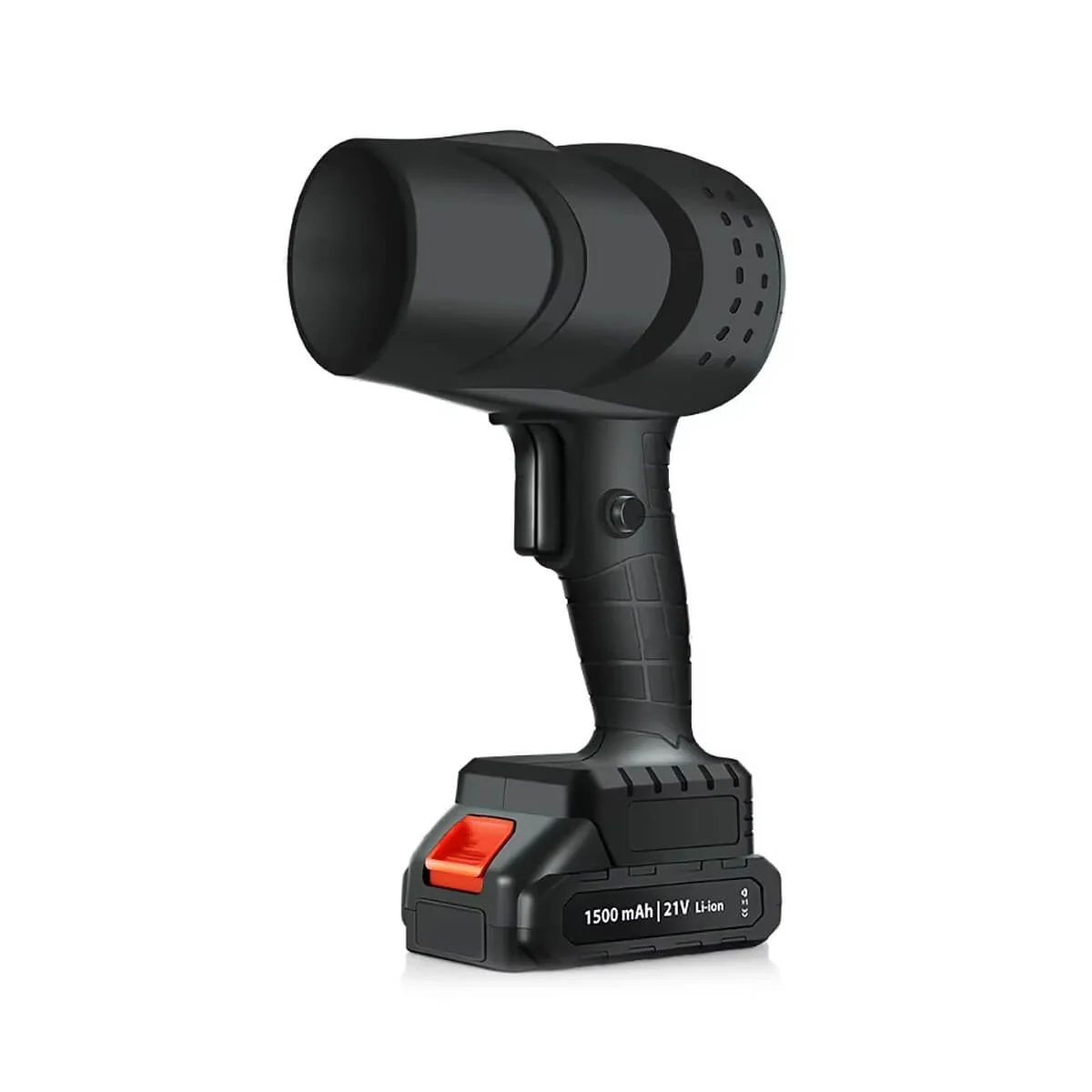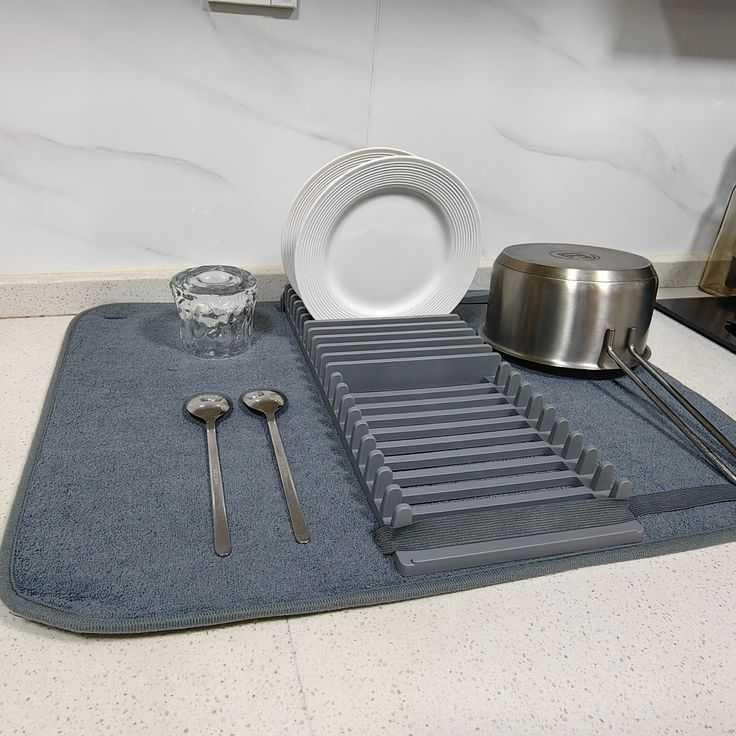
وسادة تجفيف الأطباق للمطبخ
وفر 27%! اشترِ وسادة تجفيف الأطباق للمطبخ بسعر 180.48 د.ل فقط في ليبيا. متوفر حا
🛒 تسوق الآن Libya Press
The global modest fashion industry is projected to reach $450 billion by 2027, according to the State of the Global Islamic Economy Report. Once considered a niche market, modest fashion has evolved into a mainstream cultural and economic force, reshaping how designers and consumers approach clothing worldwide.
From Paris runways to the streets of Tripoli, the demand for elegant, coverage-focused clothing has surged over the past decade. Women seeking fashion that aligns with their values — whether cultural, religious, or personal — are driving this transformation.
Modest fashion encompasses clothing that provides full coverage while maintaining style and sophistication. This includes abayas, kaftans, maxi dresses, loose-fitting trousers, long skirts, and high-neck tops paired with hijabs for Muslim women who choose to wear them.
The movement extends beyond any single faith. Modest fashion attracts women from diverse backgrounds — Christians, Jews, and those who prefer a more reserved aesthetic. The unifying principle is choice: dressing modestly without sacrificing personal style.
The 10th edition of Abu Dhabi Modest Fashion Week on Saadiyat Island marked a milestone. Silk fabrics dominated the runway as global designers showcased collections blending traditional craftsmanship with contemporary aesthetics. The event drew growing male attendance from diverse nationalities, signaling that modest fashion appeals across genders, not just women.
Modest fashion consumers are educated, digitally savvy, and willing to spend premium prices for quality and design. Social media platforms like Instagram and TikTok have amplified modest fashion influencers and brands worldwide.
In Libya, modest fashion has deep cultural roots. The traditional Libyan thawb, malia, and fouta represent centuries of modest dressing. Today, Libyan women blend these traditional garments with contemporary modest fashion from Dubai, Istanbul, and Kuala Lumpur. E-commerce enables women in Tripoli, Benghazi, and Misrata to access global modest brands, while local Libyan designers create pieces reflecting Libyan identity within global trends.
Major fashion houses have recognized the market's potential. Nike launched the Pro Hijab in 2017. Dolce & Gabbana released a hijab and abaya collection. Uniqlo partnered with Hana Tajima for a modest fashion line. High-street retailers including Zara, H&M, and Mango now offer modest-friendly sections online and in stores.
The industry faces hurdles: counterfeit products, lack of standardized sizing, and underrepresentation at major Western fashion weeks persist. Some critics argue mainstream brands treat modest fashion as a seasonal trend rather than a permanent segment. However, the trajectory is clear — this is a structural shift driven by demographic changes, rising Muslim consumer purchasing power, and broader cultural embrace of diverse identities.
For Libya, the modest fashion trend presents an opportunity. With a young, fashion-conscious population and strong traditions of modest dressing, Libyan designers and entrepreneurs are well-positioned to participate in this growing global market.
— Libya Press / Lifestyle Desk