
قطاعة خضراوات متعددة الوظائف 9 في 1 مع سلة تصفية
وفر 24%! اشترِ قطاعة خضراوات متعددة الوظائف 9 في 1 مع سلة تصفية بسعر 186.24 د.ل
🛒 تسوق الآن Libya Press
Namibia is intensifying efforts to tackle youth unemployment through a comprehensive skills development strategy that prioritizes vocational education and entrepreneurship training across the country. The initiative, aligned with the country's broader economic transformation goals, targets young Namibians who face some of the highest joblessness rates in Southern Africa.
The Chamber of Commerce and Industry has emphasized that practical skills development from an early age remains the critical missing link in Namibia's education system. According to recent analyses, integrating entrepreneurship training into secondary school curricula could significantly increase youth employability and reduce the country's dependence on foreign expertise in key sectors.
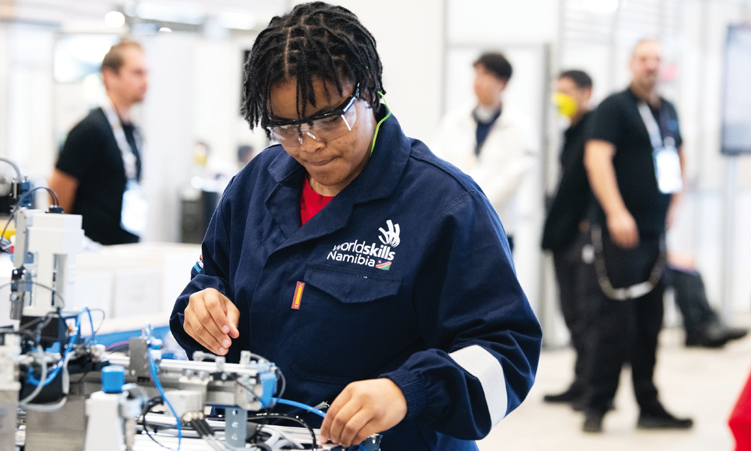
Vocational education has emerged as the cornerstone of Namibia's strategy to equip young people with market-relevant skills. The Junior Chamber International (JCI) has been among the most vocal advocates for this approach, stating that prioritizing and enhancing vocational education in Namibia's academic system by focusing on practical skills development and entrepreneurship from an early age will enable youth to access a wider range of career opportunities.
JCI indicated that Namibia's current academic framework places disproportionate emphasis on theoretical knowledge, leaving graduates unprepared for demands of the labor market. The organization has called for a fundamental restructuring of educational priorities to ensure that students graduate with both academic qualifications and demonstrable professional competencies.
International financial institutions have signaled strong support for Namibia's skills development agenda. The World Bank and regional development agencies have committed to embedding youth employment, skills development, and entrepreneurship into all funded projects moving forward. This integration ensures that infrastructure investments simultaneously create pathways for young Namibians to participate meaningfully in the economy.
Development partners view Namibia's approach as a model for other African nations grappling with similar demographic challenges. With approximately 60 percent of the population under the age of 35, the country's ability to translate its demographic dividend into economic growth depends entirely on equipping young people with relevant technical and entrepreneurial capabilities.
Entrepreneurship education is receiving particular attention within the broader skills framework. Analysts note that Namibia's small and medium enterprise sector has the potential to absorb a significant portion of unemployed youth, provided aspiring entrepreneurs receive adequate training, mentorship, and access to startup capital.
The government has indicated that new policy instruments will reduce bureaucratic barriers for young business owners and create dedicated funding mechanisms for youth-led enterprises. These measures aim to transform self-employment from a last-resort option into a viable and attractive career path.
Namibia's experience offers valuable lessons for Libya and other North African nations facing comparable youth unemployment challenges. Libya's own post-conflict economic reconstruction requires a similar emphasis on vocational training and entrepreneurship to reintegrate young people into productive economic activity.
Experts suggest that Libya could benefit from establishing public-private skills partnerships modeled on Namibia's framework, particularly in sectors such as renewable energy, construction, and digital services where demand for skilled workers continues to grow rapidly across the region.
Namibia's skills development reforms are expected to show measurable results within the next three to five years as the first cohorts complete vocational and entrepreneurship programs. The success of this initiative will depend on sustained government commitment, private sector engagement, and continued international support.
For young Namibians, the message is clear: the path to employability increasingly runs through practical skills and entrepreneurial thinking. Those who embrace these opportunities stand to become the architects of Namibia's next chapter of economic growth.
— LibyaPress / Jobs Desk
===END_ENGLISH===