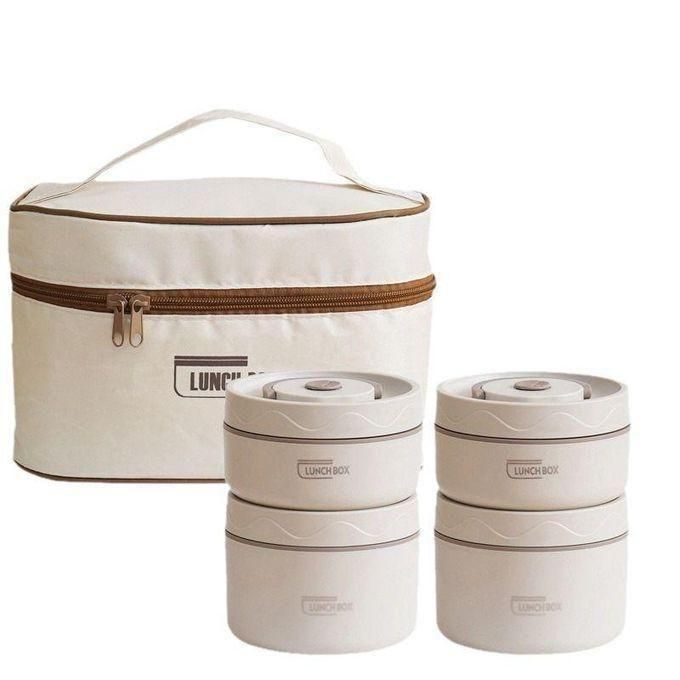
صندوق غداء حراري مع حقيبة محمولة
وفر 43%! اشترِ صندوق غداء حراري مع حقيبة محمولة بسعر 222.72 د.ل فقط في ليبيا. مت
🛒 تسوق الآن Libya Press
The head of Libya's National Centre for Disease Control (NCDC) and National Cancer Control Authority, Haidar Al-Sayeh, has forcefully denied allegations of importing expired or smuggled medication, going so far as to demand execution by hanging if the claims are proven true.
Speaking to Libya Herald on Wednesday, Al-Sayeh declared that any proven violation involving counterfeit or expired medicines should carry the ultimate penalty — execution in Tripoli's Martyrs' Square. His comments reflect the gravity of accusations that have rocked Libya's health sector in recent weeks.
The allegations come amid a broader crackdown on corruption in Libya's medical supply chain. Earlier this month, Libya's health minister and other senior officials were arrested in connection with a corruption case involving cancer drug imports, according to TRT Afrika. The scandal surfaced when Iraq's Ministry of Health announced it had delivered locally produced cancer drugs to Libya, but Libya's National Anti-Cancer Authority — the body Al-Sayeh heads — denied receiving any shipments from Iraq or any other country.
The Attorney General's office has been investigating irregularities in pharmaceutical procurement, spotlighting how medicines enter the country and whether proper protocols are followed.
In his defense, Al-Sayeh provided a step-by-step account of his authority's operations:
Addressing the media firestorm, Al-Sayeh described the accusations as a "farce" stemming from a coordinated campaign. "What we are facing is a war of interests and a blackmail campaign orchestrated by companies via social media pages," he said. "I am ready to face an investigation by any body; if the accusations are proven true, I demand the severest penalty."
His readiness for scrutiny signals confidence in his tenure. He noted that the Head of Government has consistently emphasized pharmaceutical quality as a red line, with any official found in violation held accountable.
The controversy highlights deep structural challenges in Libya's pharmaceutical supply chain. The country has long struggled with counterfeit medical products. Libyan authorities recently announced the seizure of counterfeit sterilization products, underscoring the persistent threat of fake medical goods entering the market.
Thousands of Libyan cancer patients depend on reliable oncology supplies. Any disruption erodes public trust in a health system already strained by decades of conflict and underinvestment. The case also raises questions about oversight — if expired or smuggled medicines entered through official channels, it would represent a catastrophic regulatory failure. Al-Sayeh's insistence on direct international procurement suggests a push toward greater transparency.
The Attorney General's investigation will determine whether the allegations have merit. Al-Sayeh has publicly welcomed investigation and called for the severest punishment if found guilty — a rare stance that may bolster his credibility but raises the stakes considerably.
For Libyans, the outcome will signal whether institutions are capable of self-policing or whether corruption remains entrenched at the highest levels of healthcare administration.
— Libya Press / Health Desk