
مكواة شعر صغيرة لاسلكية
وفر 9%! اشترِ مكواة شعر صغيرة لاسلكية بسعر 316.8 د.ل فقط في ليبيا. متوفر حالياً،
🛒 تسوق الآن Libya Press
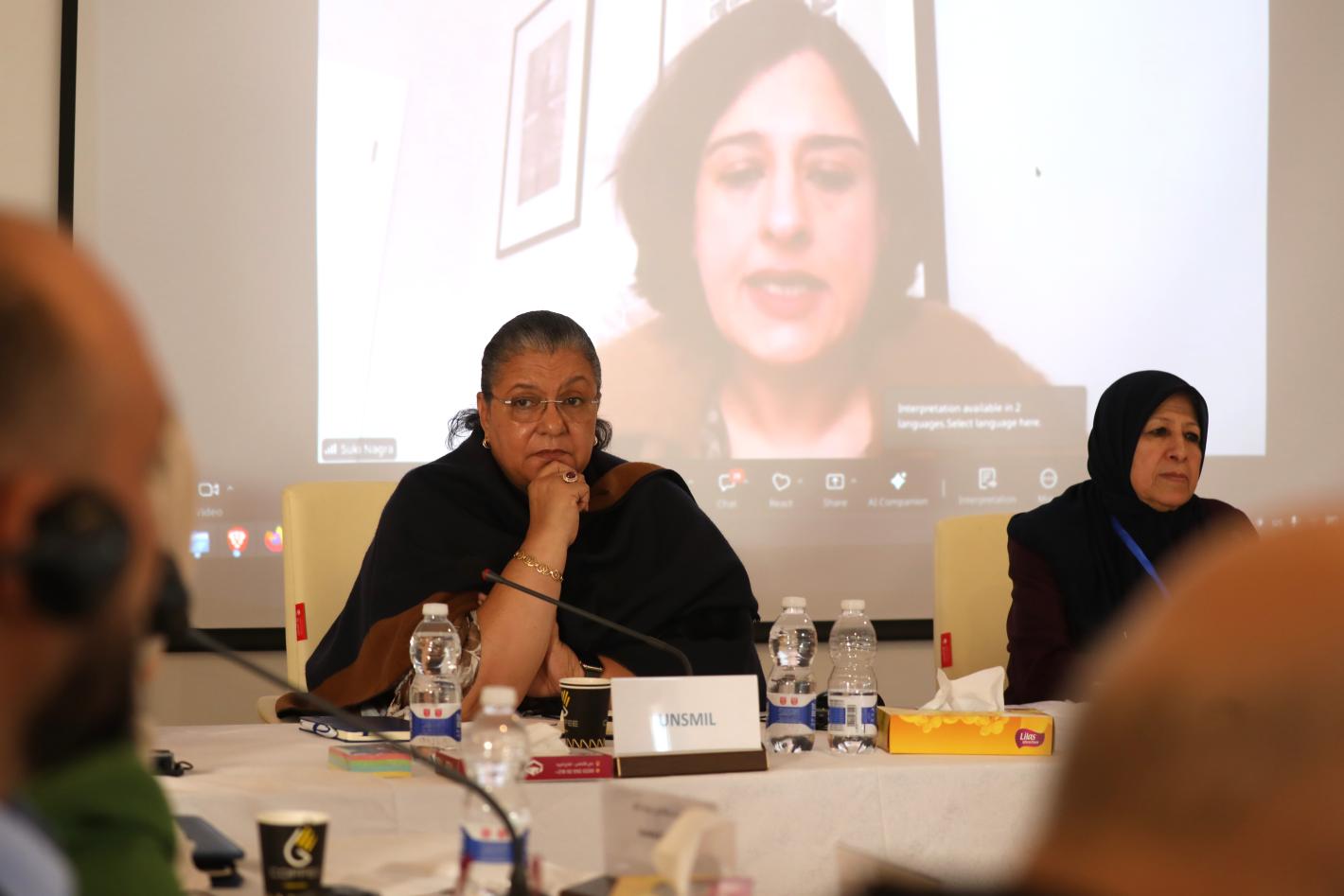
Libya's political landscape is undergoing a significant transformation as the United Nations Support Mission in Libya (UNSMIL) advances its Structured Dialogue initiative, aiming to unify the country's fractured institutions and establish a clear framework for power-sharing among rival factions. This latest push represents one of the most concrete efforts since 2020 to move Libya beyond its prolonged political deadlock.
Dr. Hassan Abu Taleb, a prominent participant in the Structured Dialogue, confirmed during a televised address that the plan put forward by Special Representative Hanna Tetteh focuses on unifying state institutions and ensuring equitable power-sharing between Libya's competing political and regional forces. The initiative has drawn attention from the UN Security Council, which has repeatedly called for a comprehensive political settlement.
The Structured Dialogue represents a carefully designed consultation process that brings together representatives from Libya's major political blocs, municipal councils, civil society organizations, security actors, and tribal leaders. Unlike previous negotiation formats, this approach emphasizes inclusivity and systematic progress toward a shared political roadmap.
According to the Carnegie Endowment for International Peace, effective power-sharing agreements in Libya must include diverse stakeholders — including women, youth, geographic minorities, and cultural communities — to ensure lasting legitimacy. The current dialogue framework attempts to address these requirements through multiple parallel tracks of negotiation.
Conciliation Resources, a leading peacebuilding organization, has cautioned that while power-sharing arrangements can provide short-term stability, they risk cementing divisions if not accompanied by genuine reconciliation and institutional reform. Their analysis suggests that outside supporters should carefully evaluate whether lessons from other post-conflict nations apply to Libya's unique tribal and regional dynamics.
Dr. Abu Taleb emphasized that the current moment requires bold leadership: "The Structured Dialogue offers Libyans a genuine opportunity to move beyond zero-sum politics. Power-sharing is not about dividing spoils — it is about building a state that represents all citizens equally."
For millions of Libyans who have endured over a decade of conflict, institutional fragmentation, and economic decline, the Structured Dialogue represents a tangible hope for stability. The power-sharing framework, if successfully implemented, could pave the way for national elections, unified governance, and the reconstruction of critical infrastructure across the country.
The UN Security Council has maintained close monitoring of developments, with briefings from Amani Africa indicating renewed international commitment to supporting Libyan stakeholders in overcoming their differences. The international community views this window of opportunity as critical — perhaps the most promising since the 2015 Skhirat Agreement.
The coming weeks will prove decisive. If dialogue participants can translate structured consultations into binding agreements on institutional unification and power-sharing mechanisms, Libya may finally transition from interim governance to permanent constitutional order. The world is watching — and so are 7 million Libyans who deserve a functioning state.
— LibyaPress / Politics Desk