
نظارات واقية للدراجات النارية
وفر 24%! اشترِ نظارات واقية للدراجات النارية بسعر 219 د.ل فقط في ليبيا. متوفر حا
🛒 تسوق الآن Libya Press
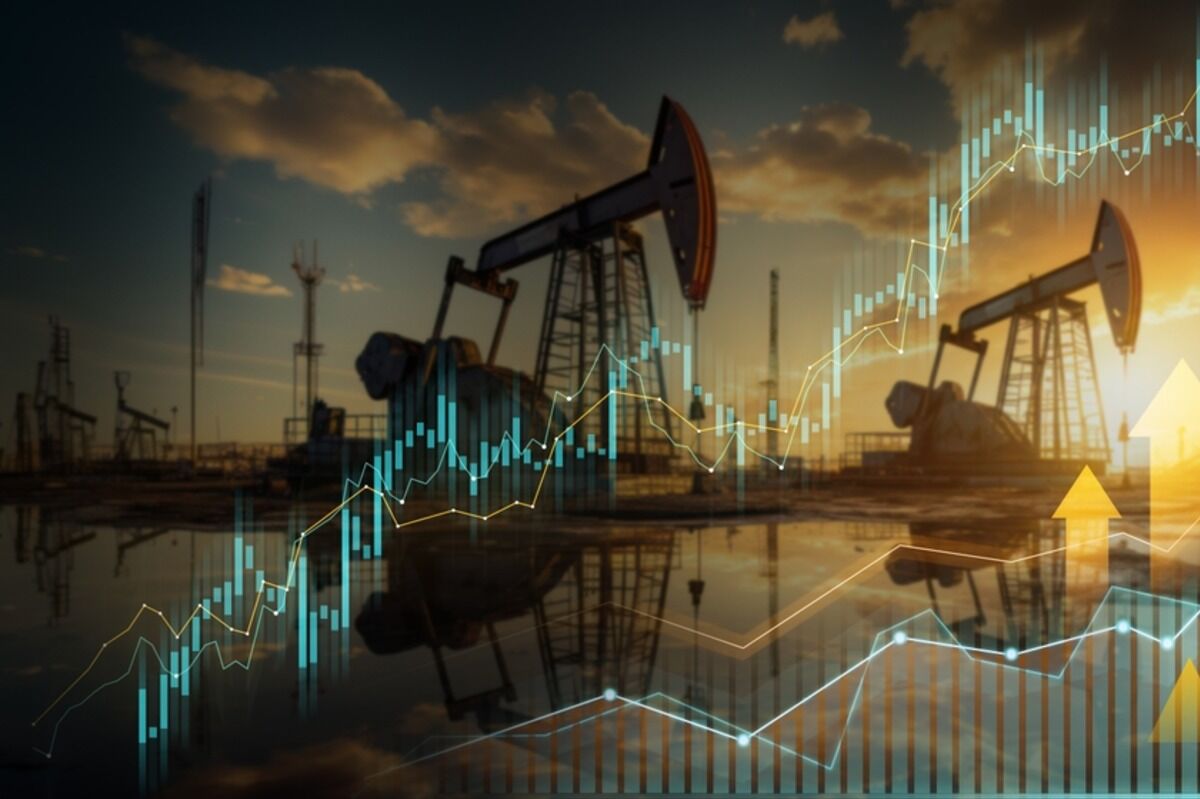
Oil prices continued their sharp ascent this week, with Brent crude futures jumping to $106.21 per barrel — a 1.9 percent increase in a single trading session — as escalating geopolitical tensions across the Middle East fuel fears of widespread disruption to global energy supplies. West Texas Intermediate crude also climbed 2.4 percent to $100.38 per barrel, keeping both benchmark crudes firmly above the psychologically critical $100 threshold for the second consecutive week.
The latest price surge follows a 2.8 percent gain recorded in the previous Monday session, reflecting sustained anxiety within global energy markets. According to trading data, Brent futures rose by $2 to reach $106.21 per barrel, while American WTI crude climbed to $100.38. The price rally has been driven primarily by mounting concerns over potential disruptions to the Strait of Hormuz, through which vast quantities of crude oil and liquefied natural gas pass daily, making markets highly sensitive to any political or military developments in the region.
Adding further upward pressure, industry reports indicate that United States crude oil inventories have declined for the fourth consecutive week, with an estimated drop of 1.7 million barrels in the past week alone. Simultaneously, Russian production fell by approximately 460,000 barrels per day in April compared to last year, reaching roughly 8.8 million barrels per day, as attacks on energy infrastructure continue to weigh on output. The International Energy Agency has warned that global crude supply may face challenges in meeting demand throughout the current year.
Energy analysts say the combination of geopolitical risk and tightening supply fundamentals could push Brent to even higher levels in the coming weeks. "Continued geopolitical pressures may drive Brent crude to record higher levels in the near term," market analysts noted, while adding that any diplomatic breakthrough could trigger a rapid price correction after the current wave of gains.
The price surge carries significant implications for Libya, which depends on oil revenues for more than 90 percent of government income. Higher global prices could provide a windfall for the country's fragile economy, potentially boosting foreign exchange reserves and easing pressure on the national budget. However, analysts caution that Libya remains vulnerable to domestic disruptions — including recent armed clashes near the Zawia Oil Refinery that forced a temporary shutdown and damaged critical aviation kerosene storage infrastructure.
Markets are also closely watching developments in United States-China relations, particularly following recent American sanctions linked to Iranian oil shipments, as the fallout from the trade war between the two economic powers continues to cast a shadow over global energy markets.
Looking ahead, the trajectory of oil prices will depend heavily on whether Middle East tensions de-escalate or intensify further. Any disruption to shipping through the Strait of Hormuz — which handles approximately 20 percent of global oil transit — could send prices spiraling toward $120 per barrel, according to several energy research firms. Conversely, progress in diplomatic negotiations between Washington and Beijing, or a ceasefire in regional conflicts, could provide relief to overheated markets.
For Libya, the price rally presents both an opportunity and a test. The country's National Oil Corporation has been working to restore production capacity and attract foreign investment, but persistent security challenges and political fragmentation continue to threaten output stability. The coming weeks will be critical in determining whether Libya can capitalize on the favorable price environment or whether internal instability will prevent it from reaping the benefits of the global energy boom.
As global energy markets navigate this period of heightened uncertainty, all eyes remain on the Middle East — where a single geopolitical event can reshape the world's economic landscape within hours.