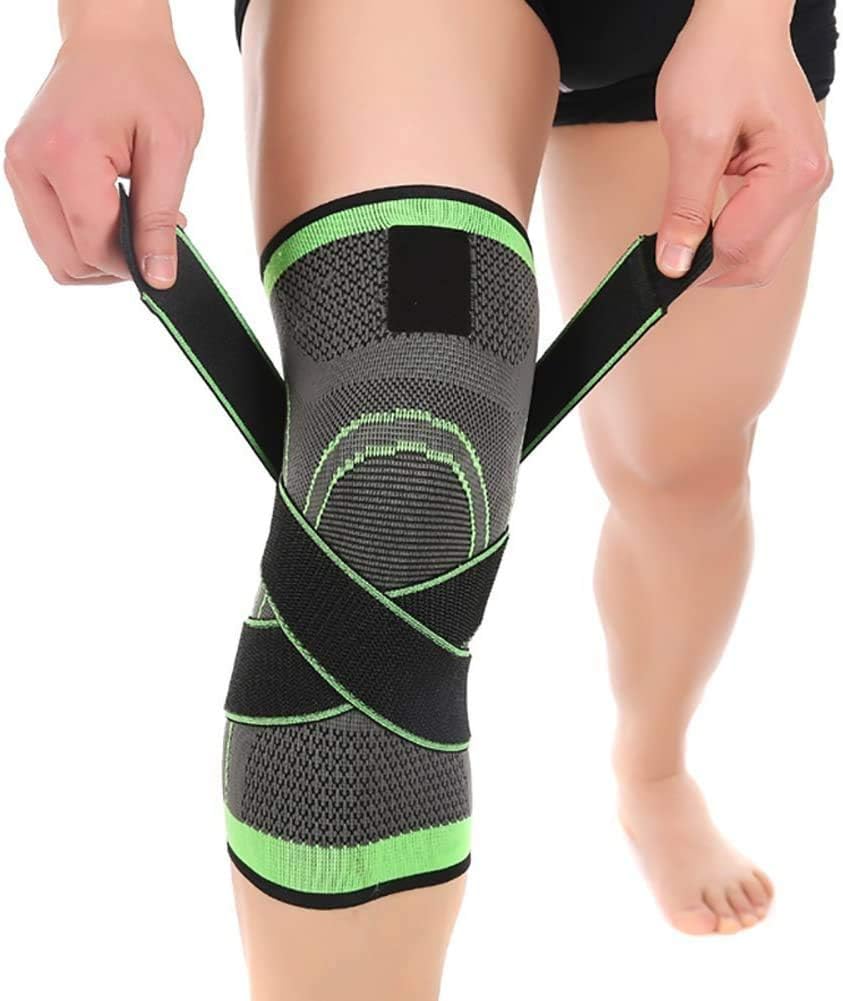
كم الركبة الضاغط
وفر 24%! اشترِ كم الركبة الضاغط بسعر 198 د.ل فقط في ليبيا. متوفر حالياً، الدفع ع
🛒 تسوق الآن Libya Press
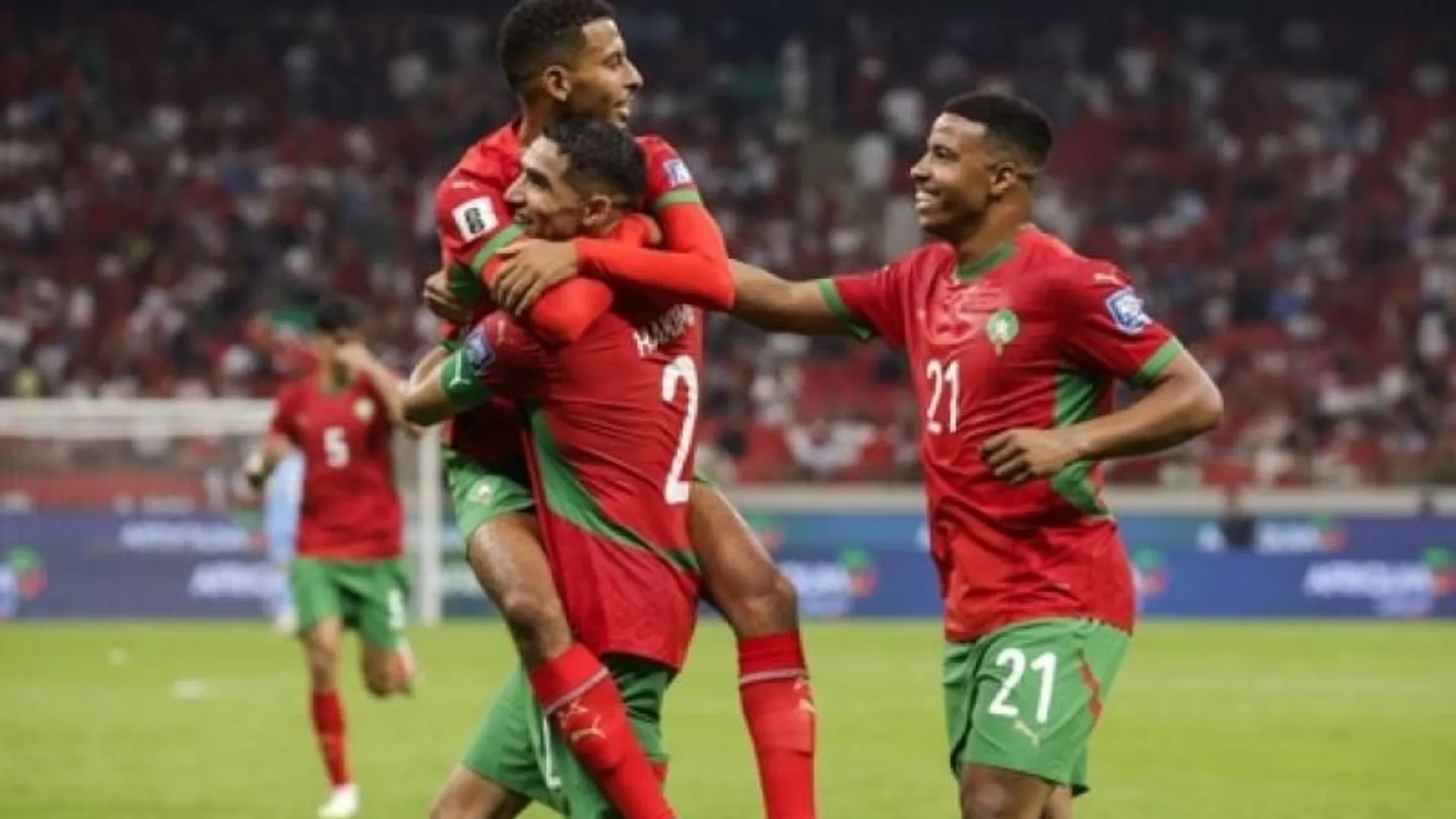
Four years after creating history as the first African nation to reach a FIFA World Cup semi-final, Morocco is building on that legacy with renewed ambition. New head coach Mohamed Ouahbi has taken the reins from Walid Regragui with a clear vision: blend the experience of Qatar 2022 with a fresh generation of talent capable of going even further at the 2026 FIFA World Cup in Canada, Mexico, and the United States.
In New York on Saturday night, the Atlas Lions demonstrated that their historic achievement in Qatar was not the peak but rather the foundation for something greater. The team's spirit and tactical maturity on display sent a clear message to the football world — Morocco is here to stay among the elite.
Mohamed Ouahbi was appointed in March 2026 as the new head coach of the Atlas Lions, replacing Walid Regragui who guided the team to their unforgettable semi-final run in Qatar. The transition represents Morocco's commitment to sustaining their rise in international football rather than resting on past achievements.
Ouahbi inherits a squad that combines World Cup veterans with exciting young players emerging from Morocco's renowned football development system. His coaching philosophy emphasizes tactical flexibility, high pressing, and the attacking flair that became synonymous with the Regragui era.
Speaking ahead of Morocco's first World Cup group stage match against Brazil, Ouahbi expressed confidence in his squad's ability to compete with the world's best. "We are not here to participate. We are here to compete and show that African football belongs at the highest level," Ouahbi stated, reflecting the bold mentality he wants to instill in his players.
The Rabat streets were filled with excitement before the Brazil match, with thousands of Moroccan fans gathering to support their team. The national pride surrounding the Atlas Lions continues to grow with each international tournament, uniting Moroccans across the globe behind their team.
Morocco's football success sends a powerful signal across North Africa that African and Arab nations can compete with football's traditional superpower nations. For Libyan football fans, the Atlas Lions' journey represents what is possible with proper investment, strategic planning, and national unity in sports.
Libya shares deep cultural and geographic ties with Morocco, and the success of North African teams on the world stage elevates the entire region's football profile. The lessons from Morocco's structured approach to player development and coaching continuity could serve as a blueprint for football reform across the Maghreb.
The 2026 World Cup represents a unique opportunity for Morocco to cement their status among football's elite nations. With a new coach, a blend of experience and youth, and the confidence gained from Qatar, the Atlas Lions have every reason to dream bigger than ever before.
As the tournament progresses, all eyes will be on Ouahbi and his squad to see if they can surpass the historic achievement of 2022. One thing is certain — Morocco has already changed the perception of African football forever, and this new chapter promises even greater things ahead.
— LibyaPress / Sports Desk