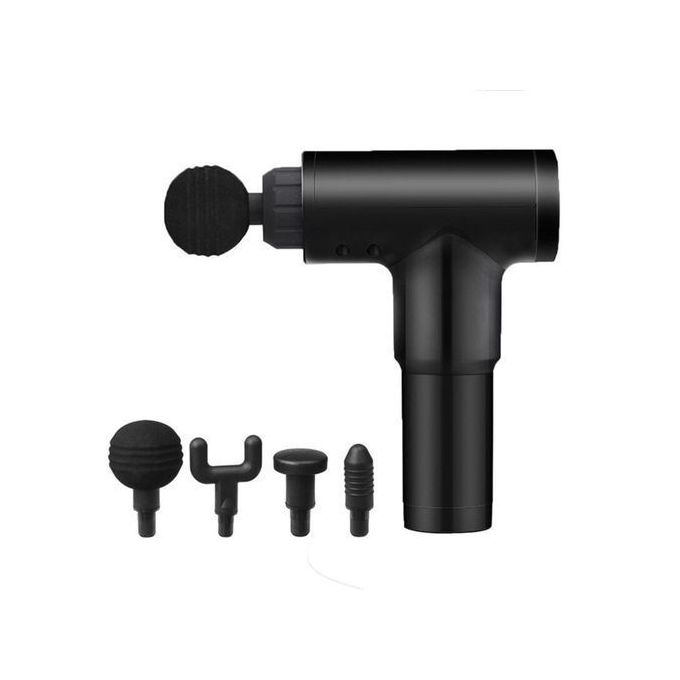
جهاز التدليك
وفر 39%! اشترِ جهاز التدليك بسعر 238.08 د.ل فقط في ليبيا. متوفر حالياً، الدفع عن
🛒 تسوق الآن Libya Press
Patient events are emerging as a critical component of modern healthcare systems, with leading medical institutions reporting a significant increase in community engagement programs throughout 2025. These gatherings — ranging from surgical education seminars to wellness workshops — are reshaping how hospitals connect with the communities they serve.
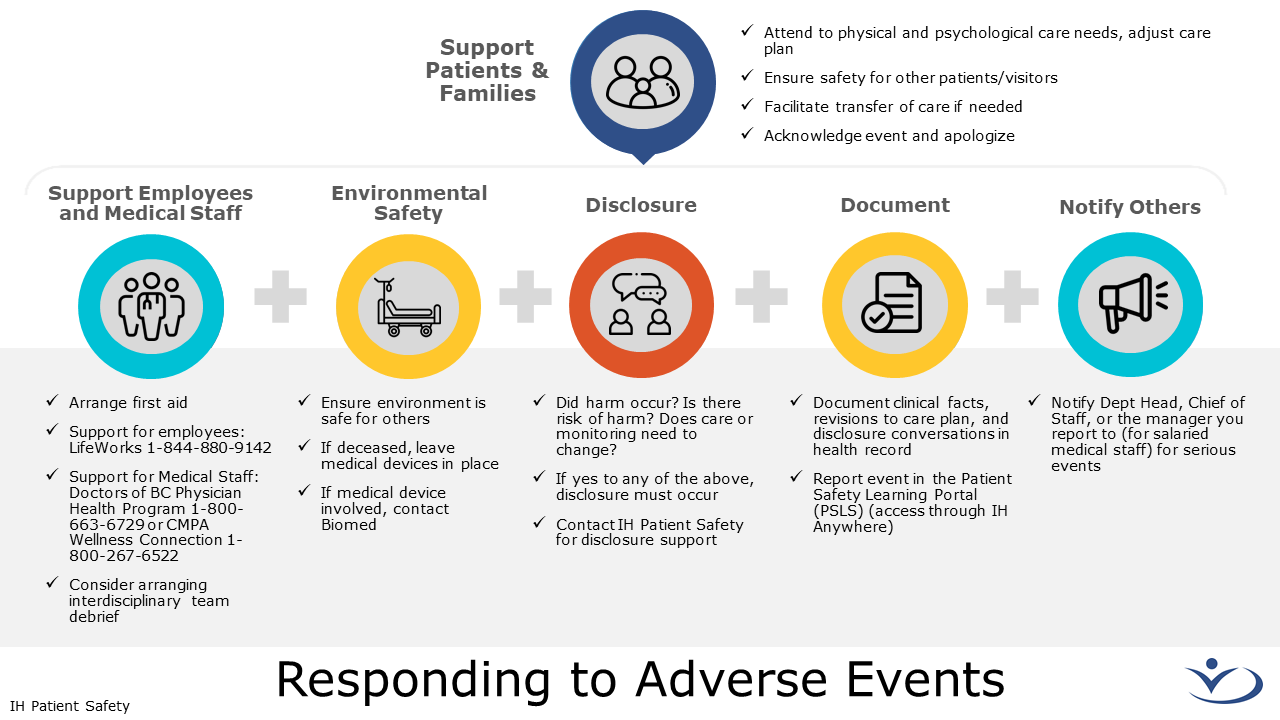
The Joint Commission, the leading healthcare accreditation body, has intensified its focus on patient safety events following new data showing that sentinel events remain a persistent challenge across hospitals worldwide. A sentinel event, defined as any patient safety incident resulting in death, permanent harm, or severe temporary harm, continues to affect thousands of patients annually.
Patient events encompass a wide range of organized activities including health seminars, surgical education classes, wellness workshops, and support group meetings. These events serve a dual purpose: educating patients and families while building trust between communities and healthcare providers.
Houston Methodist, one of the largest healthcare systems in the United States, has pioneered a comprehensive patient events program that includes weight loss surgery education, imaging care center orientations, and specialty care group sessions. Their model demonstrates how structured patient engagement can reduce anxiety, improve outcomes, and strengthen the patient-provider relationship.
Healthcare institutions worldwide are discovering that patient events create a powerful feedback loop. When patients attend seminars and workshops, they become more informed partners in their own care. This leads to earlier detection of symptoms, better adherence to treatment plans, and ultimately improved health outcomes.
The research, patient support, and education model has proven particularly effective for patients facing major surgical procedures. Pre-surgical education events reduce post-operative complications and accelerate recovery times.
Healthcare advocates and patient support coordinators emphasize the transformative power of community engagement. Research consistently shows that gathering with others who share similar health challenges provides emotional support, reduces feelings of isolation, and helps patients build the confidence needed to manage complex medical conditions.
For patients navigating weight loss surgery, chronic disease management, or diagnostic uncertainty, structured patient events offer something that clinical appointments alone cannot: a sense of belonging and shared experience that accelerates healing.
Libya's healthcare system stands to benefit significantly from adopting structured patient events programs. With ongoing challenges in hospital infrastructure and access to specialized care, community-based health education initiatives could help bridge critical gaps in patient awareness and preventive care.
Libyan hospitals and clinics can learn from international models by organizing regular health seminars, chronic disease management workshops, and patient support groups. These events would empower Libyan patients with knowledge about their conditions while strengthening trust in local healthcare institutions.
The WHO has repeatedly emphasized that patient safety education is a cornerstone of healthcare development in North Africa, where reducing diagnostic errors and improving infection control remain top priorities.
The global shift toward patient-centered care shows no signs of slowing. Hospitals that invest in patient events, education seminars, and community wellness programs are seeing measurable improvements in outcomes and patient satisfaction. As healthcare systems evolve from reactive treatment to proactive prevention, patient events will play an increasingly central role.
For patients everywhere, the message is clear: engaging with your healthcare community is not just recommended — it is one of the most powerful steps you can take toward better health.
— LibyaPress / Health Desk
===END_ENGLISH===