
كاشف الكاميرات الخفية
وفر 45%! اشترِ كاشف الكاميرات الخفية بسعر 259.2 د.ل فقط في ليبيا. متوفر حالياً،
🛒 تسوق الآن Libya Press
The Public Prosecution in Tobruk has launched a massive, high-stakes crackdown on the illegal trade of banned agricultural pesticides, resulting in the immediate closure of dozens of shops. This strategic move comes as part of a broader, aggressive effort by the Attorney General's office to shield public health and the fragile Libyan environment from the devastating effects of toxic, unregulated chemicals.
The scale of this operation reflects a growing concern within the Libyan judicial system regarding the infiltration of hazardous substances into the domestic food chain. By targeting these illegal vendors, the state is asserting its commitment to environmental safety and the protection of citizens from long-term chemical exposure.
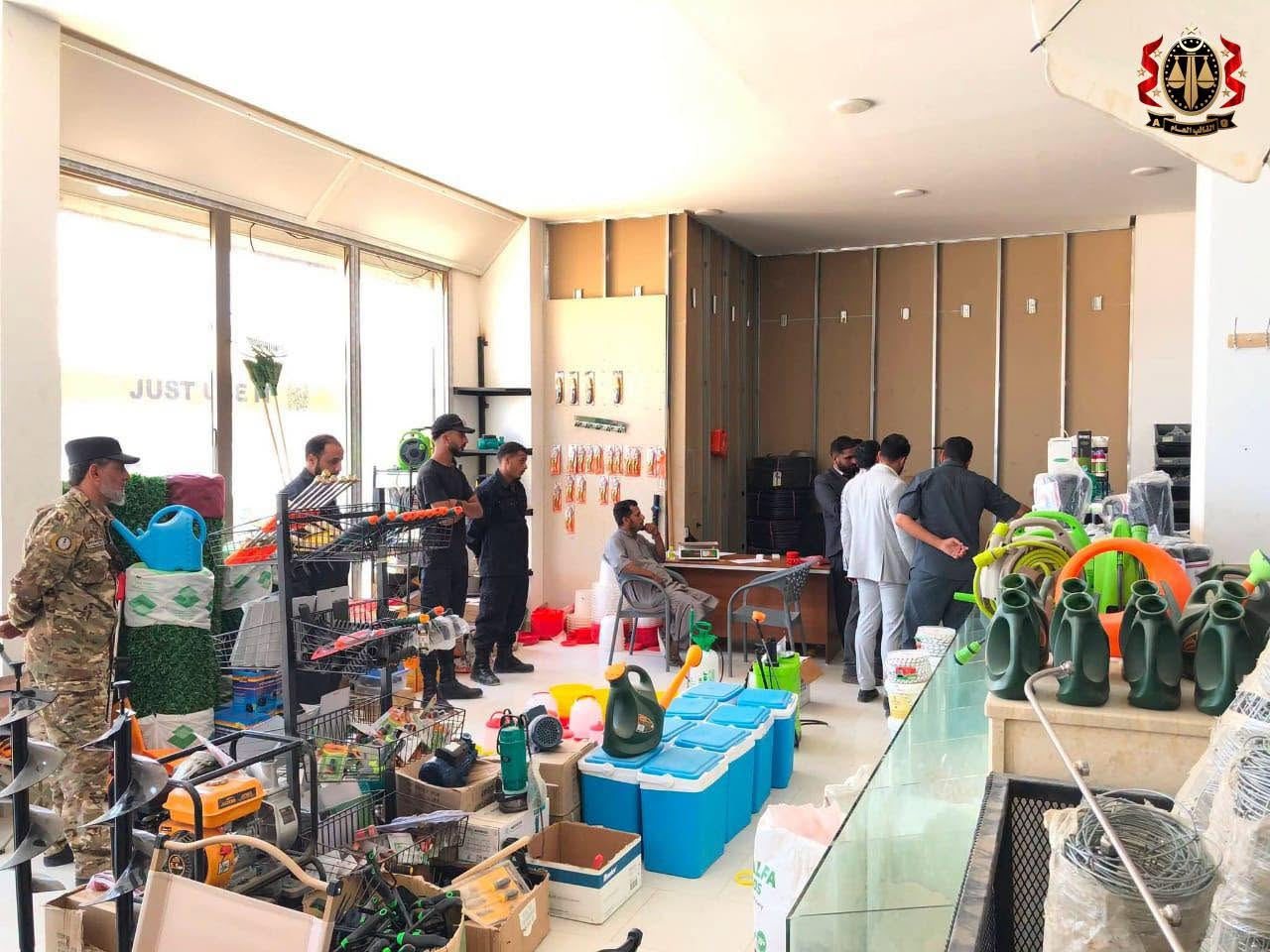
According to official statements released by the Attorney General's office, the Public Prosecution of the General System in Tobruk conducted a meticulously planned and extensive inspection campaign. Authorities targeted a wide array of commercial outlets across the region, specifically those suspected of violating stringent agricultural safety laws and import regulations.
The operation involved the systematic inspection of 68 different shops throughout the city and its outskirts. The findings were described as alarming by investigators, as officials discovered that 60 of these establishments—approximately 88% of the targeted sites—were actively engaged in the trafficking, storage, and sale of prohibited pesticides.
These pesticides, many of which are banned globally due to their extreme toxicity, were found in quantities that suggest a well-organized smuggling network rather than isolated incidents of individual merchant error.
Following the discovery of these widespread illegal activities, the Public Prosecution acted decisively, issuing immediate administrative and legal orders to close the offending shops. This swift action was designed to stop the flow of toxins into the local market instantly.
In addition to the physical closures, security forces have seized all banned materials found on the premises. These hazardous chemicals are now under state custody to prevent them from reaching unsuspecting farmers or being dumped illegally into the environment, which would cause irreversible damage to the soil.
The prosecution has now initiated formal investigations into the owners and operators of these outlets. The overarching goal is to dismantle the entire supply chain, tracing the pesticides back to their points of entry into Libya and identifying the larger entities facilitating this dangerous trade.
The use of banned pesticides is not merely a legal violation but a critical public health emergency in Libya, particularly in vital agricultural hubs like Tobruk. These prohibited chemicals often leave persistent, toxic residues in the soil and contaminate groundwater systems, leading to long-term ecological degradation.
For the local population, the risks are severe. Chronic exposure to these pesticides through contaminated produce can lead to respiratory failure and hormonal disruptions. This "silent threat" persists long after the pesticides have been applied, as they accumulate in the food chain.
By removing these substances from the market, the Libyan state aims to restore integrity to the agricultural sector. The objective is to ensure that all farming practices adhere to international safety standards, guaranteeing that the "farm-to-table" process is entirely free from hazardous chemical contamination.
Officials have issued a strong appeal to farmers and citizens to remain vigilant and report any suspicious sales of agricultural chemicals. The government emphasizes that community cooperation is essential to identifying hidden warehouses and unregistered traders who operate in the shadows.
This crackdown highlights a previous systemic failure in agricultural oversight and border control. However, the Attorney General is now working to rectify these gaps through the implementation of stricter enforcement protocols, regular unannounced inspections, and the digitalization of pesticide tracking.
This operation serves as a definitive warning to all traders: the Libyan judicial system will no longer tolerate the endangerment of millions of lives for the sake of illicit financial gain. The protection of Libyan lives and lands is now a non-negotiable priority for the state.
— Libya Press / News Desk