
جل استحمام بيوتي سيستم معطر 500 مل
وفر 27%! اشترِ جل استحمام بيوتي سيستم معطر 500 مل بسعر 252.29 د.ل فقط في ليبيا.
🛒 تسوق الآن Libya Press
The Libyan Attorney General's office, led by Chief Prosecutor Counselor Al-Siddiq Al-Sour, has launched a sweeping investigation into the country's agricultural pesticide trade, uncovering evidence that banned and carcinogenic substances are being widely distributed and applied to food crops. The probe, which included coordinated raids on storage facilities and retail outlets, raises urgent questions about food safety across Libya.
According to findings released by the Office of the Attorney General, inspection teams carried out surprise raids on multiple agricultural supply stores and warehouses across several Libyan cities. The operations targeted facilities suspected of storing and selling pesticides internationally banned due to their severe health risks.
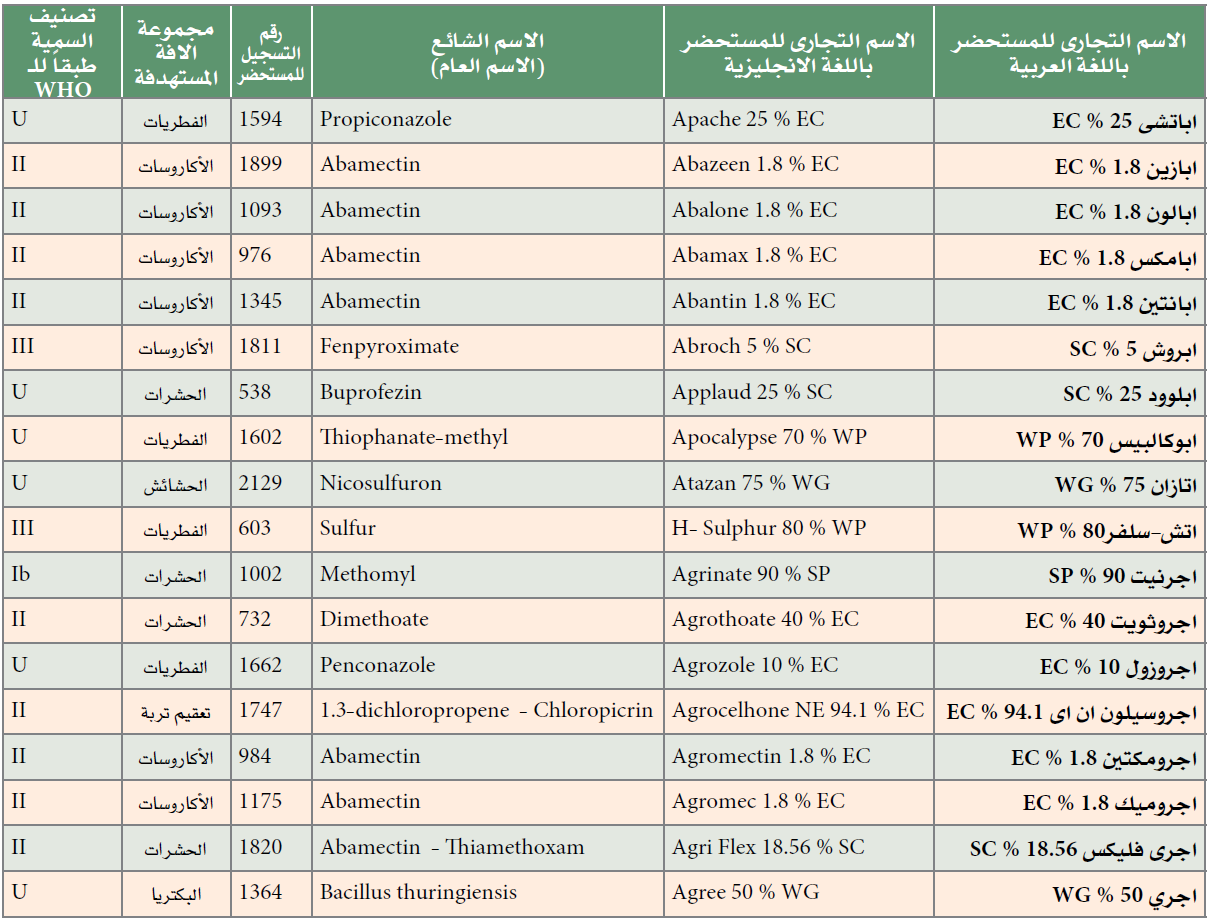
The raids resulted in the seizure of large quantities of prohibited chemicals, including compounds classified as carcinogenic by the World Health Organization. Investigators documented products with expired registration permits, unlabeled containers, and substances being repackaged without regulatory oversight.
Perhaps most concerning for everyday Libyans, laboratory analyses conducted on produce samples from major markets revealed alarmingly high levels of pesticide residues. The tests detected traces of substances outlawed in most countries for decades due to links with cancer, hormonal disruption, and neurological damage.
The findings indicate that contaminated fruits and vegetables are reaching consumers through established supply chains. Samples taken from wholesale markets in Tripoli, Benghazi, and Misrata all showed measurable contamination, suggesting the problem reflects systemic failures in agricultural oversight rather than isolated incidents.
Investigators have traced much of the illicit pesticide supply to cross-border smuggling operations. Libya's lengthy and porous borders have historically made it difficult for authorities to control the influx of unregulated chemicals. Banned substances manufactured in countries with weaker environmental protections are believed to enter through informal trade networks before being distributed to farms and agricultural suppliers.
The investigation has also highlighted gaps in Libya's domestic regulatory framework. While laws exist banning certain pesticides, enforcement has been inconsistent due to limited resources at inspection points, lack of laboratory capacity, and weak coordination between agricultural, health, and customs authorities.
Medical experts warn that chronic exposure to pesticide residues carries significant health risks. According to reports cited by Libyan media, long-term consumption of contaminated food has been linked to elevated rates of certain cancers, reproductive health issues, and developmental problems in children. The World Health Organization estimates that pesticide poisoning causes approximately 11,000 deaths annually in the Eastern Mediterranean region, with many more cases going unreported.
Libyan oncologists have noted an increase in certain cancer types in recent years, though comprehensive epidemiological data remains limited. The Attorney General's investigation may provide the catalyst needed for a broader public health assessment.
In response to the investigation's findings, the Attorney General's office announced plans to expand the crackdown with additional raids across the country. Authorities are also working to improve coordination between regulatory agencies to prevent future violations. The Ministry of Agriculture has been called upon to review pesticide registration procedures and strengthen import controls.
Consumer protection advocates have urged authorities to establish a nationwide monitoring program for pesticide residues in food and create a publicly accessible database of approved and banned substances. They also recommend public awareness campaigns to help Libyans make informed choices about the produce they purchase.
While dismantling illegal pesticide networks represents an important step, experts emphasize that lasting solutions require systemic reform. This includes investing in domestic laboratory capacity for food safety testing, training agricultural extension workers on integrated pest management, supporting farmers in transitioning to safer alternatives, and strengthening penalties for those who violate pesticide regulations.
The investigation represents a pivotal moment for food safety oversight in Libya. If followed by sustained enforcement and institutional reform, it could mark the beginning of a new era of consumer protection in the country.
— Libya Press / Health Desk