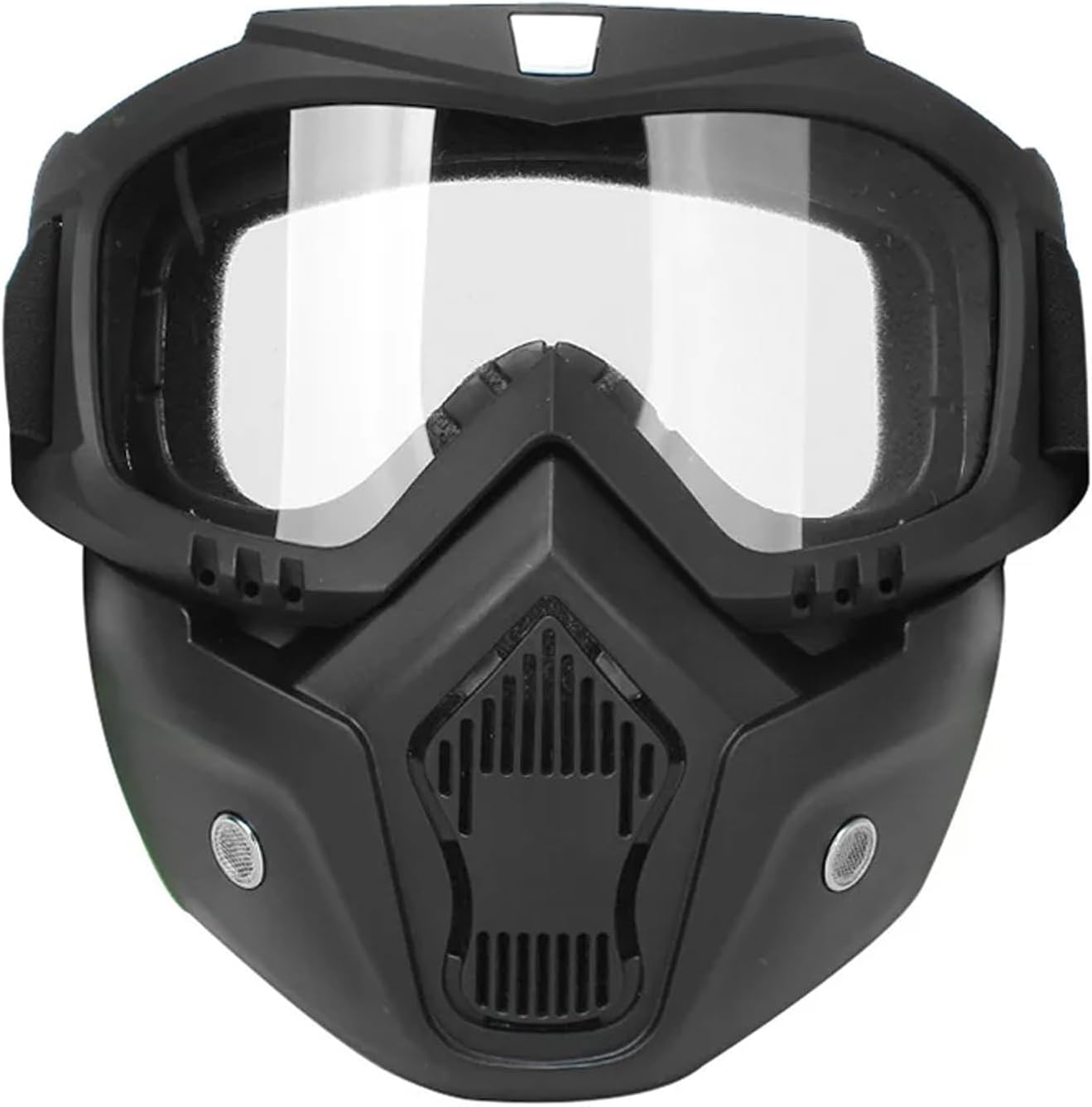
نظارات واقية للدراجات النارية
وفر 34%! اشترِ نظارات واقية للدراجات النارية بسعر 190.08 د.ل فقط في ليبيا. متوفر
🛒 تسوق الآن Libya Press
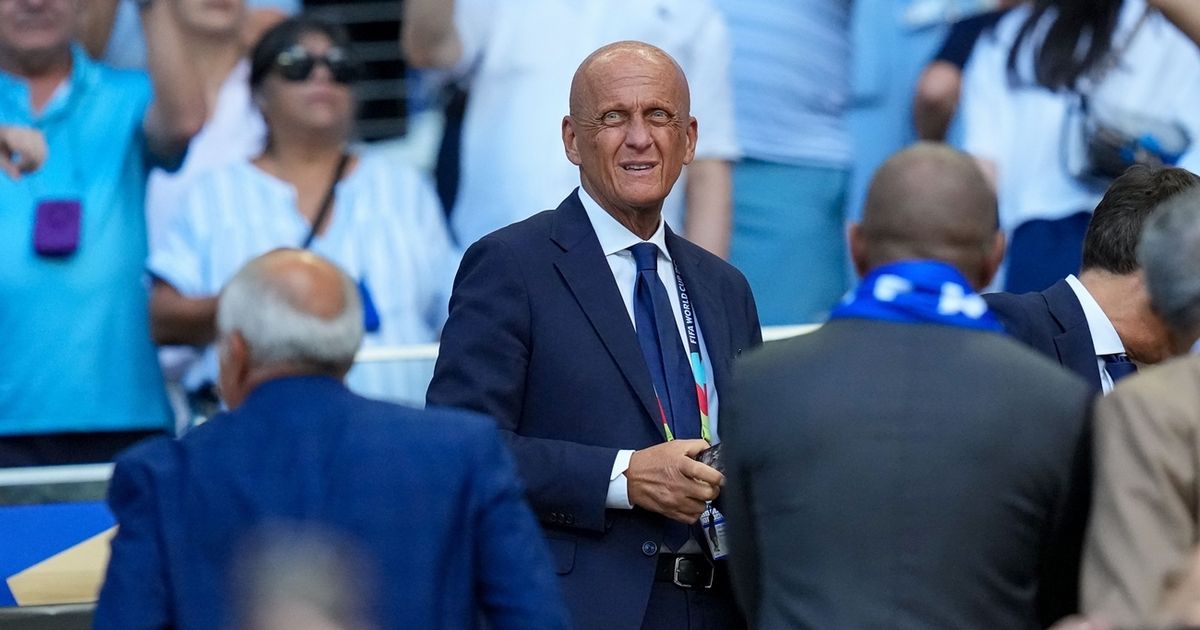
FIFA's chief refereeing officer Pierluigi Collina has publicly addressed the officiating controversy surrounding Argentina's dramatic 3-2 victory over Egypt in the FIFA World Cup 2026 round of 16, defending both the disallowed Egyptian goal and the late penalty non-call that preceded Argentina's winner.
In an unusual step for FIFA's refereeing leadership, Collina provided a detailed breakdown of the two most contentious moments, pushing back against allegations of bias and external influence that emerged after the game.
With Egypt leading 1-0, what appeared to be a second Egyptian goal was disallowed after a VAR review. Referee François Letexier overturned the goal after being called to the monitor, ruling that Egypt defender Marwan Attia had committed a foul on Argentina's Lisandro Martínez in the buildup.
Collina explained that the VAR correctly identified the foul. "Stepping on an opponent's foot is a foul," he said on FIFA's official website. "A defender who touches the ball first and then makes normal football contact has not committed a foul. In this case, the VAR intervention was precise and the decision was correct."
The Italian refereeing chief noted that "There is no defined limit regarding either the distance from goal or the amount of time between the incident and the goal" when VAR reviews attacking possession phases.
As Argentina pushed for a winner with the score tied at 2-2, Julián Álvarez challenged Mohamed Salah in the Egyptian penalty area. Egypt's players appealed for a penalty, but Letexier allowed play to continue. Moments later, Álvarez passed to Lautaro Martínez, who set up Enzo Fernández for Argentina's winning goal.
Collina defended the decision not to award a penalty. "Álvarez won the ball fairly. Of course, there will always be an element of subjectivity in some decisions, but we are happy with how this principle has been applied throughout the tournament," he said.
Egypt manager Hossam Hassan had been fiercely critical after the match, claiming that "the outcome was influenced by internal factors on the pitch and external factors ahead of the game." He alleged pressure on the referee in favor of Argentina.
Collina firmly rejected these allegations, emphasizing the independence of FIFA's match officials. "Nobody can question the integrity of the FIFA World Cup match officials," he stated. "When this happens, it may provoke reactions that lead to threats against them and their families. This is not right."
He added emphatically: "Nobody can claim that FIFA Refereeing can be influenced by anyone, not even by the FIFA President." This direct reference to Gianni Infantino came amid social media speculation about external pressure on the officiating crew.
The controversy unfolded against the backdrop of one of the most thrilling matches of the tournament. Egypt had stunned the football world by taking a 2-0 lead against the reigning world champions, showcasing impressive tactical discipline and attacking quality.
However, Argentina mounted a remarkable second-half comeback, scoring three unanswered goals to secure a 3-2 victory. The Albiceleste will now face Switzerland in the quarterfinals.
The Egyptian football federation has yet to issue an official statement regarding Collina's explanations, but the debate continues across Arab and international media about VAR protocols and referee transparency at the World Cup.
Collina's decision to provide specific explanations represents a shift in FIFA's approach to refereeing controversies. "Usually, during a competition, we prefer not to focus on specific incidents," he acknowledged. "However, we wanted to clarify topics that have generated debate."
This transparency initiative has been welcomed by analysts who believe it strengthens the tournament's credibility. By addressing controversies directly, FIFA aims to maintain trust in the integrity of the World Cup as it enters its decisive knockout phase.
— Libya Press / Sports Desk