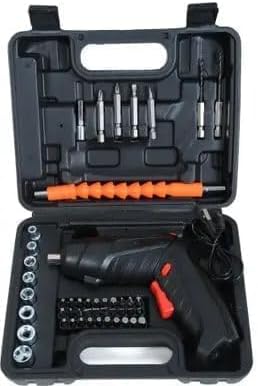
شنطة مفك كهربائي
وفر 20%! اشترِ شنطة مفك كهربائي بسعر 225 د.ل فقط في ليبيا. متوفر حالياً، الدفع ع
🛒 تسوق الآن Libya Press
Libya's Prime Minister Abdul Hamid Dbeibah has unveiled the details of a landmark unified financial agreement, describing it as a transformative step toward ending years of fiscal fragmentation and establishing a transparent, centralized framework for managing the country's public finances.
Speaking during the second regular cabinet meeting of 2026, Dbeibah explained that the agreement — reached after seven months of intensive negotiations through the so-called (2+2) committee — represents the most significant attempt to unify Libya's divided financial systems since the country's political split.
At the core of the deal is the consolidation of expenditure chapters under a single, clearly defined financial structure. The unified budget includes a wage bill estimated at 73.36 billion Libyan dinars, tied to structural reforms designed to eliminate duplication across parallel government institutions. Operational expenditure has been allocated 10 billion dinars, while subsidies — a critical component in a country where fuel and food subsidies underpin household stability — have been set at 44 billion dinars.
Perhaps most significantly, the development chapter has been allocated nearly 40 billion dinars, making it the cornerstone of the entire agreement. This funding will cover central spending across vital sectors including electricity, education, and essential public services, with all projects consolidated into a unified schedule covering every executive body and fund.
Dbeibah stressed that the agreement includes a comprehensive oversight mechanism. All state revenues are to be deposited into a single treasury account at the Central Bank of Libya, effectively preventing parallel spending by rival institutions. Implementing entities will be required to submit accurate monthly reports on progress and expenditures, and a joint committee will be formed to monitor compliance.
In a move aimed at boosting transparency, the National Oil Corporation — the backbone of Libya's economy and the entity responsible for the vast majority of government revenue — will be subjected to independent external audits conducted by international firms. Its allocations will be presented in the form of loan financing, a structural change intended to bring greater accountability to the management of the country's most valuable resource.
The Prime Minister framed the agreement as fundamentally aimed at improving citizens' daily lives by stabilizing prices, restoring confidence in the national economy, and ensuring that public funds translate into tangible improvements in services and infrastructure. He cautioned, however, that the success of the agreement ultimately depends on effective implementation on the ground.
Alongside the financial announcement, Dbeibah revealed a package of service and development projects for the municipality of Qasr Al-Akhyar, including infrastructure upgrades and improvements to public facilities. The move is part of a broader effort to ensure the fair distribution of development projects across Libya's diverse regions, addressing long-standing grievances about geographic inequality in public investment.
The announcement comes at a time when Libya's economy faces both opportunities and challenges. Oil production has shown signs of recovery, but the benefits have yet to trickle down to ordinary citizens grappling with rising costs of living, unreliable electricity, and deteriorating public services. The unified financial agreement, if successfully implemented, could mark a turning point in the country's efforts to translate its considerable hydrocarbon wealth into broad-based economic stability.