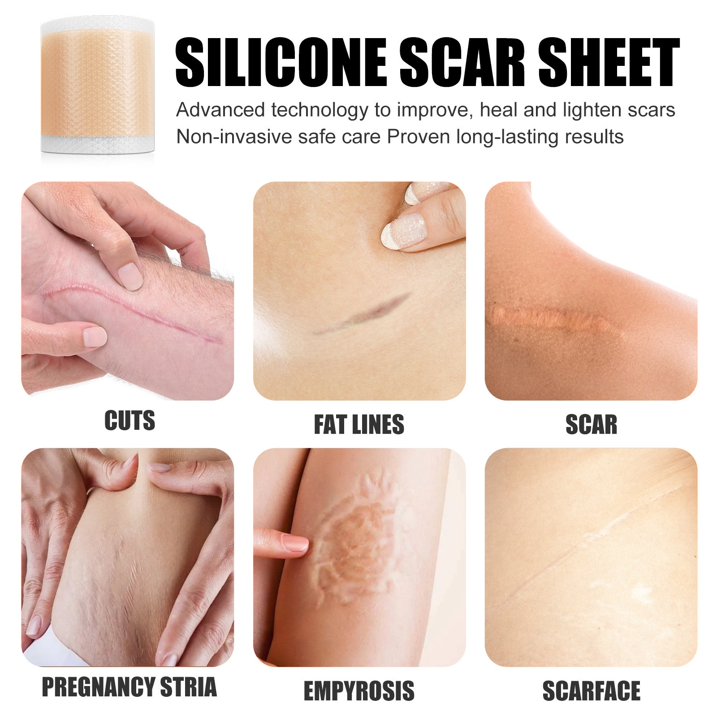

مرتبة هوائية للمقعد الخلفي v2
وفر 7%! اشترِ مرتبة هوائية للمقعد الخلفي v2 بسعر 405.12 د.ل فقط في ليبيا. متوفر
🛒 تسوق الآن Libya Press
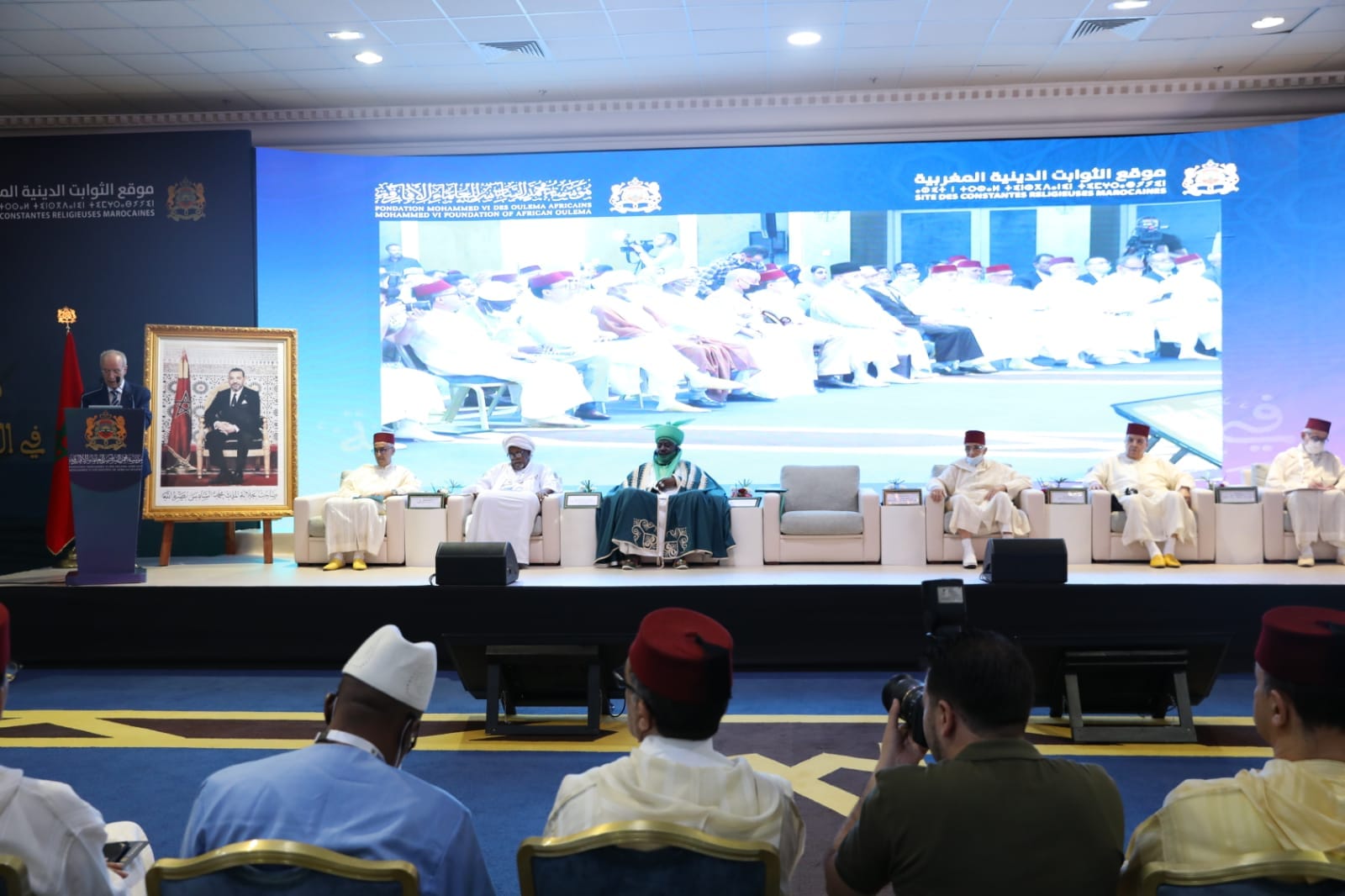
The Rissonian Zawiya in Chefchaouen organized a national scientific symposium titled "The National and Religious Constants of the Kingdom of Morocco: Historical Dimensions" as part of its cultural and outreach activities aimed at reinforcing citizenship values and religious awareness, reported Moroccan news outlet Journal24.
The symposium brought together a distinguished assembly of scholars, academics, and intellectuals who explored the deep historical roots of Morocco's religious and national constants — the foundational principles that have shaped the country's identity for centuries.
The symposium was held within the framework of the 9th gathering of the "Assembly of Righteous Affiliates" (Majma' al-Muntasibin li-l-Salihin), an annual event organized by the Rissonian Zawiya that serves as a platform for religious scholarship and spiritual renewal. According to Chaouen Press, the gathering took place at the administrative complex of the Ministry of Endowments (Awqaf) in Chefchaouen on Friday evening.
This year's edition focused on the role of Moroccan Zawiyas in human development, highlighting the traditional educational and spiritual institutions that have long served as pillars of Moroccan society. The choice of Chefchaouen as the host city underscores the region's historical significance as a center of Islamic learning and spirituality.
Zawiyas have played a fundamental role in Moroccan intellectual and spiritual life for over a millennium. These traditional Islamic educational institutions have served as centers for Quranic teaching, spiritual guidance, and community mediation. The Rissonian Zawiya has been a prominent institution in the Rif region, known for its contributions to religious scholarship and preserving Morocco's Maliki tradition and Ash'ari theology.
The symposium examined how these historical institutions have adapted to contemporary challenges while maintaining their core mission of spiritual education and community service. Speakers emphasized that Morocco's religious constants — including the Maliki school, Ash'ari theology, and the spiritual legacy of Sufism — remain central to the kingdom's identity and stability.
Academic presentations at the symposium covered a range of topics including:
Scholars from several Moroccan universities presented research papers that provided both historical analysis and contemporary relevance, contributing to a rich intellectual dialogue across multiple disciplines.
While the symposium focused on Morocco, its themes resonate deeply across North Africa, including Libya. The role of traditional religious institutions in maintaining social stability, preserving national identity, and countering extremist ideologies is a shared concern throughout the Arab world. Libya's own rich tradition of Sufi orders and Islamic scholarship — from the Senussi order to the madrasas of Tripoli and Benghazi — reflects similar historical patterns of religious institutions contributing to social cohesion.
The Moroccan experience offers valuable lessons for Libyan policymakers and religious leaders seeking to strengthen national unity while preserving authentic religious traditions. As Libya continues its path toward stability and reconstruction, the model of inclusive religious dialogue demonstrated by the Rissonian Zawiya provides a constructive example of how traditional institutions can contribute to national reconciliation.
The Rissonian Zawiya's commitment to scientific research and intellectual exchange reflects a broader tradition within Moroccan Sufism that emphasizes knowledge, moderation, and constructive engagement with society. The symposium papers are expected to be published in a collective volume, contributing to the academic literature on religious institutions in North Africa.
Organizers announced that the recommendations from the symposium will be forwarded to relevant institutions, including the Ministry of Endowments and Islamic Affairs, to inform policy discussions on preserving and promoting Morocco's religious and national constants.
— Libya Press / News Desk