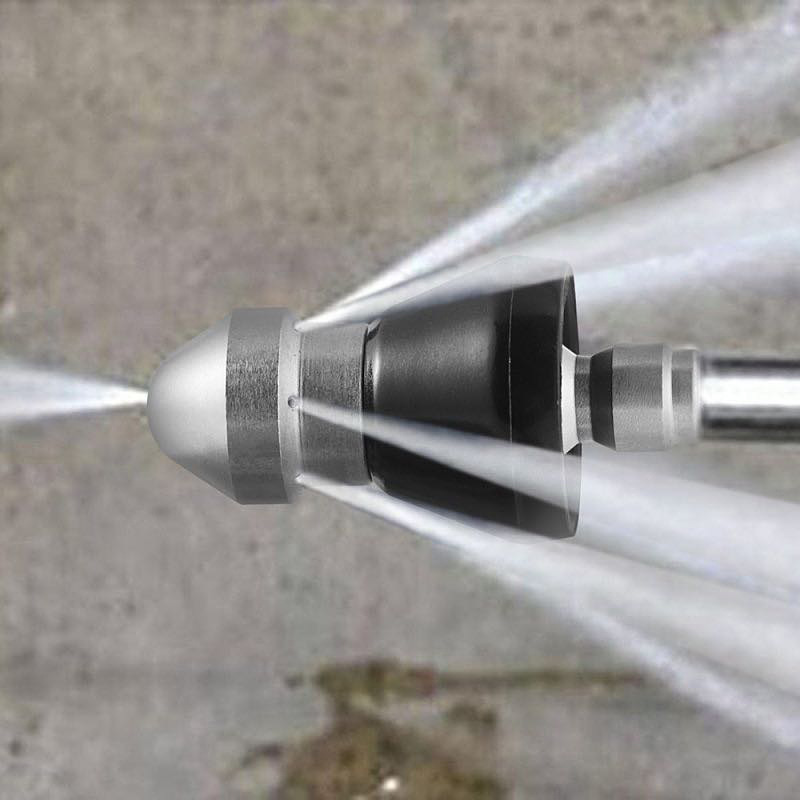
أداة تنظيف الصرف
وفر 44%! اشترِ أداة تنظيف الصرف بسعر 156.29 د.ل فقط في ليبيا. متوفر حالياً، الدف
🛒 تسوق الآن Libya Press
Romania has reduced its diplomatic expenditure on Libya by more than $400,000, marking a significant fiscal adjustment for the suspended embassy in Tripoli. The Romanian Foreign Ministry confirmed the budget cut, which represents a substantial withdrawal of financial resources from one of Eastern Europe's most strategic North African partnerships.
The embassy in Libya has remained suspended since early 2024, following the political instability that emerged after the Government of National Accord's dissolution. Romania's decision to slash funding reflects a broader reassessment of diplomatic engagement amid Libya's ongoing factional divisions and security challenges.
The diplomatic relationship between Romania and Libya dates back decades, with both nations sharing strong cultural and historical ties. Romania maintained a consistently high level of engagement throughout Libya's oil boom years, with Romanian companies playing key roles in the country's energy sector.
The embassy in Tripoli served as a crucial hub for Romanian business interests, cultural exchange programs, and humanitarian cooperation. Before the suspension, Romania ranked among the top European investors in Libya, with significant stakes in oil refining and construction projects.
The $400,000 reduction represents approximately 8% of Romania's total diplomatic budget allocation for Libya. This cut affects embassy operations including staff salaries, security provisions, and cultural program funding. Romanian officials indicate the reduction aims to preserve core consular services while scaling back non-essential diplomatic activities.
Industry analysts note that the fiscal adjustment mirrors broader European trends of reduced engagement in volatile markets. The European Union has similarly scaled back its diplomatic presence in Libya, focusing resources on core member state representation rather than expansive development programs.
Libyan authorities have expressed concern over the funding reduction, viewing it as part of a broader pattern of European diplomatic retrenchment. The suspension of Romania's embassy has complicated bilateral trade negotiations, particularly regarding oil sector partnerships worth billions in potential revenue.
Local sources indicate that Romanian companies operating in Libya face increased regulatory scrutiny following the embassy's reduced presence. The lack of direct diplomatic advocacy has created challenges for Romanian businesses navigating Libya's complex inter-factional governance structure.
Romania's fiscal adjustment aligns with broader shifts in Eastern European foreign policy toward North Africa. Turkey, UAE, and Russia have increased their regional influence while Western European powers reduce direct engagement. This realignment creates new competitive dynamics for Libya's limited diplomatic resources.
The reduction also reflects Romania's strategic pivot toward energy diversification. With declining global oil prices and Romania's own energy security concerns, the government has prioritized domestic fiscal stability over expansive diplomatic expenditures in volatile regions.
Diplomatic circles in Bucharest suggest the funding cut may be temporary, contingent upon Libya's political stabilization. Romanian officials maintain that the country's historical ties with Libya remain strong, with potential for renewed engagement once governance structures stabilize.
Industry experts project that if Libya achieves political consensus by 2027, Romania could restore full embassy operations and re-engage in major energy partnerships. Until then, the fiscal reduction underscores the challenges of maintaining diplomatic presence in environments lacking functional state institutions.
The decision reflects a pragmatic approach to resource allocation, prioritizing sustainable engagement over symbolic presence. As Libya navigates its post-conflict reconstruction phase, Romania's measured response signals cautious optimism about future cooperation.
— Libya Press / News Desk